
Blooming
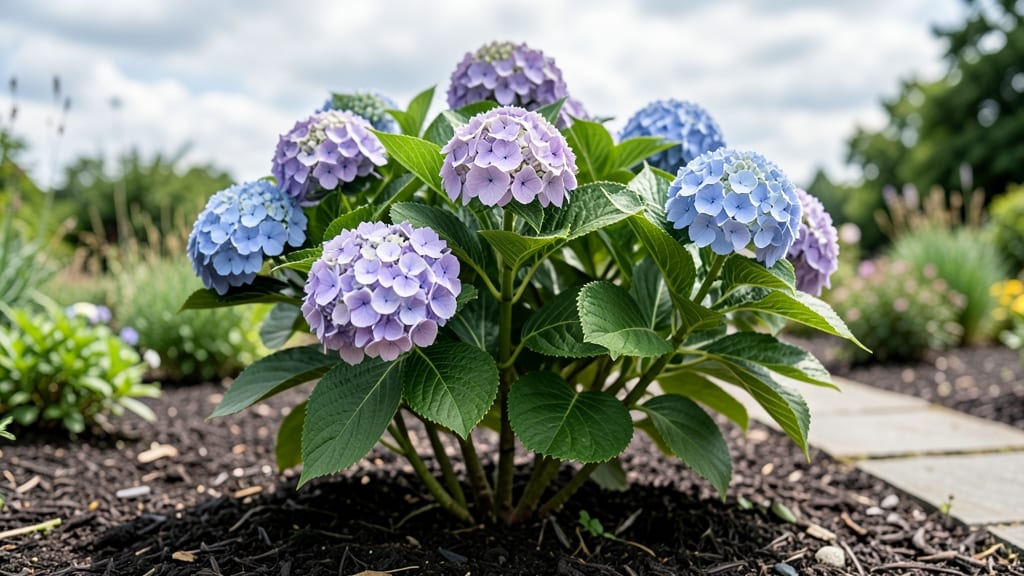
Hydrangeas bloom in Indiana between late May and early September, but the exact timing depends on the variety and your microclimate.
If you’ve ever waited all spring for those showstopping 💐 blooms only to miss the window, you’re not alone. Indiana’s climate—from the cooler north to the warmer south—can shift bloom times by weeks, and some varieties even reward patient gardeners with a second flush of flowers.
Bigleaf hydrangeas, like the classic 'Endless Summer,' typically bloom on old wood, meaning last year’s growth sets this year’s flowers. Panicle types, such as 'Limelight,' bloom on new wood, so pruning timing matters. Oakleaf hydrangeas add a late-season splash, often blooming into September.
Below, I’ll break down the month-by-month schedule for Indiana’s most popular varieties, regional frost factors, and how to coax extra blooms from your shrubs—so you never miss another season.
Indiana hydrangea bloom schedule by variety: month-by-month guide
Indiana’s four distinct hydrangea varieties bloom at different times, offering a season-long color show from early summer to frost. The key to maximizing your blooms? Understanding which varieties flower on old wood (last year’s growth) versus new wood (current season’s stems), as this dictates pruning timing.
Let’s break down the month-by-month schedule for Indiana’s climate zones (USDA 5b-6b), where last frost typically arrives between April 15-30.
Southern Indiana gardens (warmer microclimates) often see blooms 2-3 weeks earlier than northern regions. For example, Oakleaf hydrangeas in Evansville may burst into color by late May, while those in Fort Wayne might not peak until early June.
Always adjust your expectations based on your local last frost date and summer heat patterns—Indiana’s humid summers can push blooming cycles slightly earlier than northern neighbors.
💐 Pro Tip: If you’re in Zone 5b, plant late-blooming varieties like 'Limelight' panicle hydrangeas near your patio to extend your seasonal color until October’s first frost.
| Variety | Bloom Time | Wood Type | Peak Months | Second Bloom? |
|---|---|---|---|---|
| Bigleaf (H. macrophylla) | Late May - June | Old wood | June - August | No (unless reblooming cultivar) |
| Panicle (H. paniculata) | June - July | New wood | July - September | Yes (if pruned correctly) |
| Oakleaf (H. quercifolia) | Late May - June | Old wood | June - August | No |
| Smooth (H. arborescens) | June - July | New wood | July - September | Yes (if reblooming type) |
| Early Bloomer: 'Annabelle' (Panicle) | Late May | New wood | June - August | No |
| Late Bloomer: 'Limelight' (Panicle) | July | New wood | August - October | Yes |
📅 Note: Bloom times shift 1-2 weeks earlier in southern Indiana (warmer microclimates).
For Bigleaf hydrangeas (like 'Endless Summer'), the buds form on old wood in late summer/fall, so pruning at the wrong time can eliminate next year’s blooms. Wait until after flowering (late August-September) to trim these varieties.
Meanwhile, Panicle types like 'Little Lime' thrive on new wood, so you can prune them in late winter/early spring (February-March) to shape the plant and encourage robust summer blooms.
Oakleaf hydrangeas are Indiana’s showstoppers—their exfoliating bark and fall foliage make them four-season plants. In Zone 6a, their white summer blooms often transition to pinkish hues in fall, extending your garden’s appeal.
Plant them in morning sun with afternoon shade to prevent leaf scorch during Indiana’s humid July heatwaves.
💧 Watering Tip: During Indiana’s drought-prone summers (June-August), hydrangeas need 1-2 inches of water weekly. Bigleaf varieties are especially sensitive to moisture fluctuations, which can cause their flower color to shift from blue to pink (or vice versa) based on soil pH and aluminum availability. Test your soil’s pH in early spring—aim for 5.2-5.5 for blue blooms or 6.0+ for pink.
If you’re planning a hydrangea garden tour through Indiana’s peak bloom seasons, visit Garfield Park Conservatory in Indianapolis (July-August) or Lilly Library Gardens in Ball State University (June-July). Both locations showcase reblooming varieties like
How Indiana’s climate affects hydrangea blooming: frost dates and heat tolerance
Indiana’s climate creates a unique challenge for hydrangea lovers, where frost dates and summer heat dramatically shift bloom timing. In northern Indiana, where last frost dates average April 15, hydrangeas often bloom later—typically mid-June—while southern Indiana’s warmer microclimates can push blooms to late May or early June.
These differences mean your care routine must adapt based on your location.
The USDA Zone 6a classification covers most of Indiana, but microclimates near lakes or urban areas can add 1-2 weeks to the growing season. For example, plants near Lake Michigan may bloom 2 weeks earlier than those in rural areas.
Understanding these variations helps you time pruning and fertilizing for maximum impact.
⚠️ callout warning ⚠️
Soil moisture plays a critical role in bloom timing. In northern Indiana, where spring rains delay planting, hydrangeas may bloom 3-4 weeks later than scheduled. Conversely, southern Indiana’s drier summers can force plants into early dormancy, cutting bloom seasons short.
Test your soil’s water retention—aim for 60-70% organic matter to support consistent blooming.
Heat tolerance varies by variety. Panicle hydrangeas (like 'Limelight') thrive in full sun and bloom reliably even in 95°F heat, while Bigleaf types (like 'Endless Summer') need afternoon shade to prevent bud drop.
Oakleaf hydrangeas strike a balance, blooming from late June to September with minimal stress in Indiana’s climate.
Adjust your care based on your region. In northern Indiana, wait until after May 15 to prune, while southern gardeners can prune late March to early April.
Always prune old wood bloomers (like Bigleaf) after flowering, and new wood bloomers (like Panicle) in late winter before new growth starts.
Monitor your hydrangeas closely during July and August, when Indiana’s humidity can trigger powdery mildew. Apply neem oil fungicide preventatively to protect blooms.
With the right adjustments, you can extend your hydrangea season by 4-6 weeks—turning a single summer burst into a continuous display from early June to frost.