
Blooming
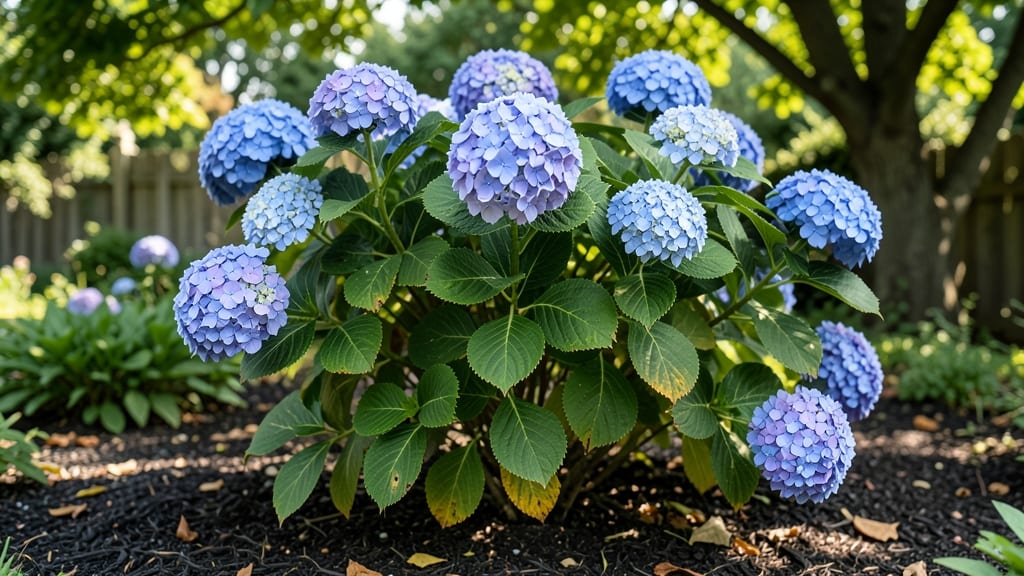
Hydrangeas in Pennsylvania typically bloom between mid-June and August 🌸, but the exact timing depends on your zone, variety, and last frost date.
If you’ve ever waited eagerly for those lush clusters to appear—only to be disappointed by late or sparse blooms—you’re not alone.
The key to a showstopping display lies in understanding your hardiness zone (most of PA falls in Zone 6a), the type of hydrangea you’re growing, and how local weather patterns can shift bloom windows by weeks.
Bigleaf hydrangeas, for example, set buds on old wood (last year’s growth), so a late frost or cold snap can wipe out entire seasons of blooms. Meanwhile, panicle and smooth hydrangeas bloom on new wood, giving you more flexibility to prune in late winter without risking missed flowers.
Below, I’ll break down the exact bloom months for popular varieties in your area, plus proven tips to coax earlier or longer blooms—so you can enjoy those iconic pink, blue, or white clusters from June through fall.
Hydrangea bloom times in Pennsylvania by variety (Zone 5-7 guide)
Pennsylvania gardeners know that timing is everything when it comes to hydrangea blooms. Zone 5-7 covers most of the state, from the cooler Poconos to the warmer Pittsburgh area, creating microclimate variations that shift bloom windows by weeks. Bigleaf hydrangeas like 'Endless Summer' typically bloom on old wood, while Panicle varieties like 'Limelight' produce flowers on new wood—a key difference that affects pruning and bloom timing.
Understanding your last frost date (usually mid-April in Zone 5 and late March in Zone 7) helps predict when buds will swell. Oakleaf hydrangeas often bloom slightly earlier than Bigleaf types, while Smooth hydrangeas may linger into fall.
Let’s break down the exact monthly bloom windows for each popular variety in PA’s diverse growing conditions.
Pro Tip: PA’s humidity levels and summer heat can delay blooms if plants struggle with moisture stress. Mulching deeply in spring helps regulate soil temps and encourages consistent flowering.
| Variety | Bloom Wood Type | Zone 5 Bloom Window | Zone 6 Bloom Window | Zone 7 Bloom Window | PA Microclimate Notes |
|---|---|---|---|---|---|
| Bigleaf ('Endless Summer') | Old wood | Late June - August | June - September | May - October | Earlier in southeastern PA; later in mountain regions. |
| Panicle ('Limelight') | New wood | July - September | June - October | May - November | Heat-tolerant; blooms longer in Zone 7. |
| Oakleaf ('Snow Queen') | Old wood | June - July | May - August | April - September | Earliest bloomer; thrives in partial shade. |
| Smooth ('Annabelle') | New wood | July - August | June - September | May - October | Drought-tolerant; blooms later in cooler zones. |
If you’re in Zone 5, expect Bigleaf hydrangeas to bloom 2-3 weeks later than in Zone 7.
For example, 'Endless Summer' in Erie (Zone 6a) might start flowering in late June, while the same plant in Philadelphia (Zone 7b) could burst into color by early June. Panicle hydrangeas like 'Little Lime' are more forgiving, often blooming 1-2 weeks earlier than Bigleaf types in the same zone.
For early blooms, choose Oakleaf varieties—they’re the first to show color, often by late May in Zone 7. Smooth hydrangeas like 'Annabelle' are late bloomers, typically waiting until July in cooler zones. Prune Panicle types in late winter to encourage new wood growth and earlier flowers, but avoid pruning Bigleaf hydrangeas until after they bloom.
Soil pH also plays a role: Acidic soil (pH 5.5-6.0) produces blue flowers, while alkaline soil (pH 6.5-7.0) yields pink blooms. Test your soil in early spring and amend with sulfur or lime as needed to influence color. Pittsburgh’s limestone-rich soil often results in pink hydrangeas, while central PA’s sandy soils may need extra acidification for blue blooms.
Watch for bud set in late summer—this is when flowers form for next year. Drought stress during this time can reduce bloom size, so water deeply every 7-10 days from August through September.
In Zone 5, a late summer heatwave might push blooms into fall**, extending your display well past Labor Day.
For container-grown hydrangeas, expect blooms 1-2 weeks later than in-ground plants due to drying soil and temperature fluctuations. Move pots to shaded patios in afternoon heat to protect delicate buds. Mulch containers with 3 inches of straw to retain moisture and regulate temps.
Keep an eye on local weather patterns: a cool, wet spring can delay blooms, while a warm, dry summer might encourage earlier flowering. PA’s variable climate means your hydrangeas could bloom anywhere from May to October, depending on the variety and microclimate.
Plan your garden layout around these bloom windows to enjoy continuous color from early summer through fall.
How to extend your hydrangea blooming season in Pennsylvania
Pennsylvania’s cool springs and variable summers can sometimes leave hydrangeas playing catch-up with their bloom schedules. The good news? With the right strategies, you can coax earlier blooms or stretch your hydrangea season by weeks.
Start by choosing varieties that thrive in PA’s climate, like 'Endless Summer' bigleaf hydrangeas or 'Limelight' panicle types, which are bred for reliability in zones 5-7.
Timing is everything when it comes to pruning and fertilizing. Unlike many shrubs, hydrangeas bloom on either old wood (last year’s growth) or new wood (current year’s growth), so pruning at the wrong time can delay—or even eliminate—your blooms.
For bigleaf and oakleaf types, prune immediately after flowering to preserve next year’s buds, while panicle and smooth hydrangeas can handle late-winter pruning without skipping a beat.
Here’s how to maximize your hydrangea’s potential in Pennsylvania’s climate:
- 🌱 Prune at the right time: For old-wood bloomers (like 'Nikko Blue'), prune right after blooms fade (late summer). For new-wood bloomers (like 'Little Lime'), prune in late winter before buds swell.
- 💧 Adjust watering for early blooms: Deep water once weekly in spring to encourage root growth. In drought-prone PA summers, water twice weekly to prevent bud drop.
- 🌡️ Use mulch to regulate soil temps: Apply 3 inches of mulch in early spring to protect roots from late frosts and extend bloom season by keeping soil consistently moist.
- 🌿 Amend soil with organic matter: Pennsylvania’s clay-heavy soils can stunt growth. Mix in compost or peat moss to improve drainage and boost nutrient uptake for bigger, longer-lasting blooms.
- ☀️ Choose sun-smart locations: While hydrangeas love partial shade, morning sun + afternoon shade in PA’s humid summers prevents leaf scorch while maximizing bloom production.
Don’t overlook the power of fertilizer timing. In Pennsylvania, apply a balanced 10-10-10 fertilizer in early spring (March-April) to jumpstart growth. Avoid late-summer feeding, as it can stimulate tender new growth vulnerable to fall frosts—a common issue in PA’s zone 6-7 transition areas.
Instead, focus on root-feeding in early spring for stronger stems and more abundant blooms.
For longer-lasting color, consider acid-loving varieties like 'Annabelle' or 'Grandiflora'. These types thrive in Pennsylvania’s slightly acidic soils (pH 5.5-6.2) and produce blooms that hold their color longer in cooler, cloudy summers.
If your soil is alkaline, add sulfur or peat moss to lower pH and enhance blue hues in bigleaf hydrangeas.
With these techniques, you can shift bloom times by 2-4 weeks and enjoy hydrangeas from late June through September—even in Pennsylvania’s unpredictable climate. The key is consistency in care and choosing the right varieties for your specific microclimate.
Start experimenting this season, and you’ll have longer, more vibrant blooms to show for it! 🌸