
Blooming
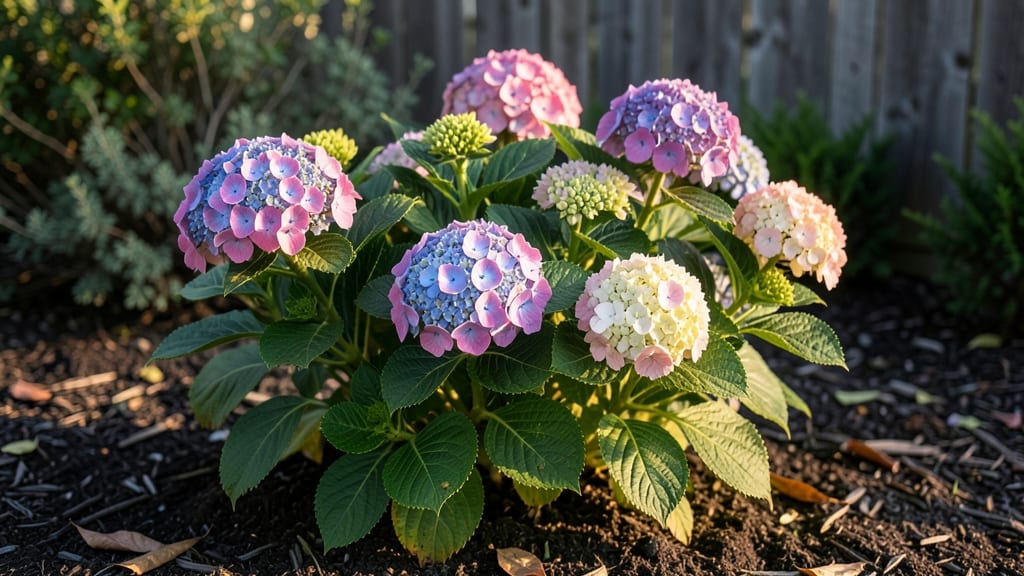
Hydrangeas bloom in Wisconsin between late June and September, but the exact timing depends on your hardiness zone, variety, and last year’s frost.
Wisconsin gardeners know timing is everything—especially when it comes to hydrangeas 🌸, whose stunning blooms can transform your landscape. But if you’ve ever wondered exactly when those vibrant flowers will appear in your zone, you’re not alone.
The answer depends on the variety, your hardiness zone, and even last winter’s frost.
Bigleaf hydrangeas (like the classic mophead) typically bloom from late June to August, while panicle varieties often stretch into September. Oakleaf hydrangeas, on the other hand, bloom earlier, from June to July, making them a great choice for earlier color in your garden.
In this guide, I’ll break down the precise bloom windows for Wisconsin’s most popular hydrangea types, how your hardiness zone affects timing, and pro tips to encourage healthy blooms year after year.
Hydrangea bloom times in Wisconsin by variety (Bigleaf, Panicle, Oakleaf & more)
Wisconsin’s diverse hydrangea varieties bloom at different times, making it critical to know which type thrives in your USDA zones 3–6. Whether you’re growing Bigleaf hydrangeas for their iconic mophead blooms or Panicle hydrangeas for their long-lasting clusters, timing matters.
Late frosts can delay blooms, while heatwaves may shorten them—so let’s pinpoint the exact windows for each variety to help you plan your garden’s seasonal highlights.
Most hydrangeas in Wisconsin follow a predictable schedule, but reblooming varieties (like some Panicle types) can produce two flushes of flowers per year. This means you might see early blooms in June or July, followed by a second round in late summer or early fall.
Understanding these patterns helps you choose the right varieties for year-round color and extend your garden’s visual appeal well into autumn.
Bigleaf hydrangeas (like 'Endless Summer') are the stars of Wisconsin gardens in late June through August, offering bold blue, pink, or purple blooms that change color based on soil pH. These varieties typically bloom on old wood, meaning they set buds the previous summer. If you prune at the wrong time, you might sacrifice next year’s flowers—so hold off until late winter or early spring.
Panicle hydrangeas, such as 'Limelight' or 'Little Lime', are the rebloomers of Wisconsin gardens, delivering two bloom cycles: the first in July and a second, often more abundant flush in late summer or early fall. This makes them ideal for extending your garden’s season. Their cone-shaped blooms also hold up well in arrangements, making them a favorite for cut flowers.
If you love early-season color, Oakleaf hydrangeas like 'Snow Queen' are perfect, blooming as early as June and offering showy white flowers followed by stunning fall foliage.
These varieties are also drought-tolerant, making them a low-maintenance choice for Wisconsin’s variable climate. Their exfoliating bark adds winter interest too.
Smooth hydrangeas, including the classic 'Annabelle', are drought-resistant champions that thrive in Wisconsin’s zones 3–9. Their large, rounded blooms appear in June or July and can last for weeks. Unlike Bigleaf types, they’re less fussy about soil pH, so they’re a great option if you’re new to hydrangea care or dealing with alkaline soil.
For gardeners in northern Wisconsin (zones 3–4), expect blooms to arrive 1–2 weeks later than in southern zones (5–6) due to cooler springs. If you’re in zone 3 or 4, consider hardy varieties like 'Annabelle' or 'Little Lime', which handle colder temperatures better.
In zone 5 or 6, you can experiment with more finicky types like 'Nikko Blue' for unique blue blooms.
To maximize your hydrangea’s bloom time, mulch heavily in fall to protect roots from winter frost and water consistently during dry spells. If you notice buds forming but not opening, it could signal late frost damage—a common issue in Wisconsin’s unpredictable spring.
In this case, cover plants with frost cloth until the danger of frost has passed.
Pro tip: If you want longer-lasting blooms, deadhead spent flowers in late summer (after they’ve faded). This encourages reblooming varieties to produce a second flush of flowers before winter sets in. Just remember, Bigleaf types won’t rebloom—so save your pruning for late winter instead.
With these bloom times in mind, you can plan your Wisconsin garden to enjoy hydrangeas from June through October. Mix early bloomers like Oakleaf with late-season Pan
How Wisconsin’s hardiness zones (3–6) affect hydrangea bloom timing
Wisconsin’s hardiness zones 3–6 create dramatic differences in hydrangea bloom timing. In Zone 3–4 (northern WI), late frosts often delay blooms until mid-July, while Zone 5–6 (southern WI) gardeners typically see flowers by early July.
This zone divide means your location could shift bloom windows by 2–3 weeks—so let’s break down what to expect where you live.
Cold snaps in Zone 3–4 can damage emerging buds, while Zone 5–6 plants benefit from milder winters that allow earlier growth. Even within zones, microclimates (like urban heat islands) can push blooms 10 days earlier than rural areas.
Understanding these patterns helps you time pruning and choose varieties that thrive in your specific conditions.
| Zone | Avg. Bloom Start | Peak Bloom | Frost Risk | Care Tip |
|---|---|---|---|---|
| Zone 3–4 | Mid-July | Late July–Aug | High (May–June) | Mulch heavily in fall |
| Zone 4–5 | Early July | July–Aug | Moderate (May) | Prune in late winter |
| Zone 5–6 | Late June | June–Sept | Low (late May) | Choose rebloomers |
In Zone 3–4, late frosts often damage early bloomers like Oakleaf hydrangeas, pushing their peak to August. Meanwhile, Zone 5–6 gardeners can enjoy Panicle hydrangeas blooming as early as late June—a full month ahead!
This zone difference also affects reblooming varieties, which may only produce one flush of flowers in colder areas but two flushes in milder southern WI.
To extend blooms in colder zones, plant late-season varieties like 'Limelight' (Panicle) or 'Nikko Blue' (Oakleaf), which handle Zone 3–4 winters better. In Zone 5–6, focus on rebloomers like 'Endless Summer' to enjoy flowers from June through September.
Both strategies require proper winter care, including mulching and protecting young plants from winter desiccation.
Monitor your local last frost date—typically May 15 in northern WI and May 1 in southern WI—to time early-season feeding. In colder zones, wait until after buds swell (late May) before fertilizing, while Zone 5–6 gardeners can feed as early as mid-April.
This timing ensures blooms appear when you want them, not when the weather dictates.
🌿