
Blooming
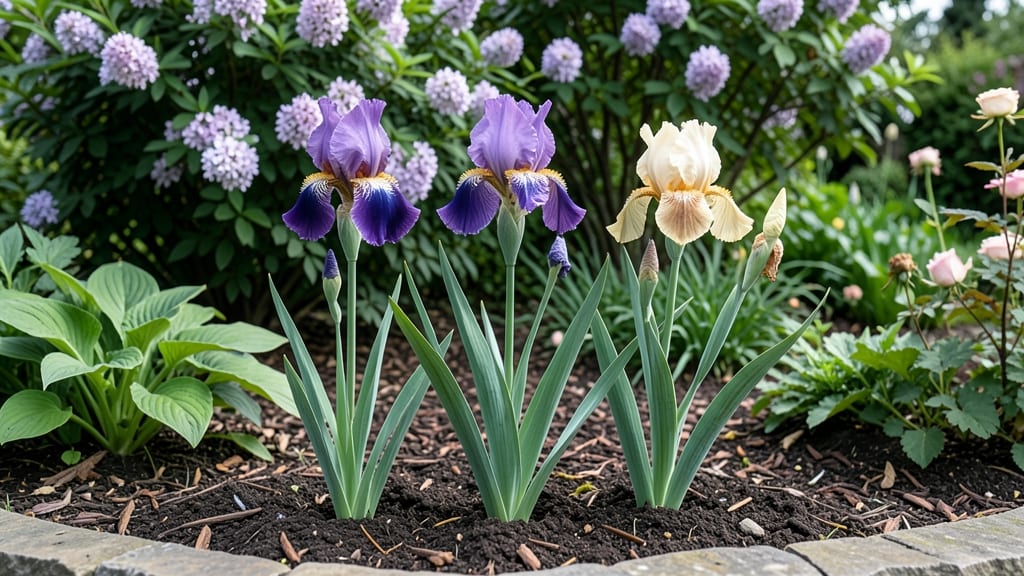
Irises in Texas bloom between late February and April, with some varieties pushing into early May, depending on your hardiness zone and the type of iris you’re growing.
If you’ve ever wondered why your Texas iris garden seems to bloom at different times each year—or why some varieties never seem to flower at all—the answer lies in hardiness zones, soil conditions, and reblooming cycles.
For example, Louisiana irises in South Texas might start as early as February, while Siberian irises in North Texas often wait until March or even April. The heat, soil moisture, and even last year’s pruning can shift bloom times by weeks.
Below, I’ll break down the exact bloom windows for your zone, how to coax extra flowers from reblooming varieties, and the simple care tweaks that make all the difference in a Texas garden.
Texas iris bloom times by USDA hardiness zones: what to expect each season
Texas gardeners know irises bring bold color, but their bloom timing can feel mysterious—especially when some varieties flower twice a year while others bloom just once. The secret lies in your USDA hardiness zone, which determines whether your irises will grace your garden in spring, fall, or both.
In Texas, zones range from 6a (North Texas) to 9b (South Texas), creating dramatic differences in bloom windows.
Most classic irises bloom in spring (March-May), but many modern reblooming varieties also produce a second flush of flowers in fall (September-November). The key to unlocking consistent blooms?
Understanding how your zone’s climate extremes and soil conditions interact with your iris varieties. Let’s break down what to expect—and how to adjust your care—for each Texas zone.
🌱 Key Takeaway: Reblooming irises thrive in Texas’s mild winters (zones 8a+) but may struggle in colder North Texas (zones 6a-7b) without proper care.
| USDA Zone | Spring Bloom Window | Fall Bloom Window | Reblooming Notes | Climate Challenge |
|---|---|---|---|---|
| 6a (North Texas) | Late March–Early May | September–October (limited) | Mostly once-blooming; rebloomers need winter protection | Late frosts delay spring blooms |
| 7a–7b (Central North) | Mid-March–Late April | October–November | Rebloomers perform well with proper summer care | Heat waves can stress plants |
| 8a–8b (Central Texas) | February–April | September–October | Ideal for rebloomers like ‘Florence Sullivan’ | Summer droughts reduce fall blooms |
| 9a–9b (South Texas) | January–March | August–November | Year-round blooms possible with consistent care | Humidity increases fungal risks |
In North Texas (zones 6a-7b), spring blooms arrive later due to cooler temperatures and occasional late frosts. Most classic irises bloom just once, but reblooming varieties like ‘Blue Flag’ or ‘White Swan’ may produce a small fall display if given adequate summer water.
The challenge? Winter dieback can weaken plants, so mulching helps.
Central Texas (zones 8a-8b) offers the best conditions for reblooming irises. With warmer winters and longer growing seasons, varieties like ‘Florence Sullivan’ (a purple rebloomer) often produce two full bloom cycles. The catch? Summer heat can stress plants, so deep watering and afternoon shade extend fall blooms.
South Texas (zones 9a-9b) is a paradise for year-round iris care. Here, irises may bloom in winter (January-March) and again in fall (August-November), with some varieties like ‘Immortality’ producing three bloom cycles. However, high humidity increases fungal diseases, so air circulation and fungicide sprays are key.
Pro Tip: To encourage fall reblooms, fertilize with high-phosphorus food (like 5-10-10) after the spring bloom fades. This boosts root growth for the next season. In hotter zones (8a+), also reduce watering in summer to prevent leaf scorch, which weakens fall blooms.
If your irises aren’t blooming, check these common issues:
- Overcrowded rhizomes (divide clumps every 3–4 years)
- Poor drainage (irises rot in soggy soil)
- Too much shade (6+ hours of sun is critical)
- Improper pruning (never cut leaves until they yellow)
With the right zone-specific care, your Texas iris garden can bloom twice a year—or even year-round in warmer areas. Start by choosing <
How to encourage reblooming irises in Texas heat: pro tips for year-round flowers
Texas’s brutal summers can turn your irises into one-time bloomers instead of the reblooming powerhouses you planted them to be. The key to year-round color lies in understanding how heat stress and water management disrupt natural cycles.
Most irises bloom once in spring, but with the right adjustments, you can coax fall reblooms too—especially in USDA Zones 8a-9b.
Reblooming irises like 'Florence Sullivan' or 'White Swan' thrive when given consistent moisture and nutrient support during dormancy. The trick is to mimic natural rainfall patterns while avoiding soggy soil, which Texas’s 100°F+ summers can easily create.
Let’s break down the proven strategies that’ll keep your irises flowering well into October or November.
If your irises refuse to rebloom, over-fertilizing or poor drainage are often the culprits. I’ve seen Texas gardeners double their bloom seasons simply by switching to a slow-release fertilizer and mulching with pine straw to retain moisture without suffocating roots.
The goal is to balance growth—too much nitrogen = lush leaves, no flowers.
For reblooming irises, timing is everything. Start your fall rebloom push in early September by increasing water slightly and applying a light fertilizer. By mid-October, you should see buds forming.
In North Texas, expect blooms by late October, while South Texas irises may wait until November due to warmer soils.
Pro tip: Divide clumps every 3-4 years to rejuvenate old rhizomes. Dig up overcrowded patches in late summer, separate the firm, plump rhizomes, and replant with the top exposed. This resets growth and often triggers earlier reblooming the following year.
With these adjustments, your Texas iris garden can bloom twice a year, turning your yard into a year-round color show—no matter how hot or dry the summer gets. 🌸