
Blooming
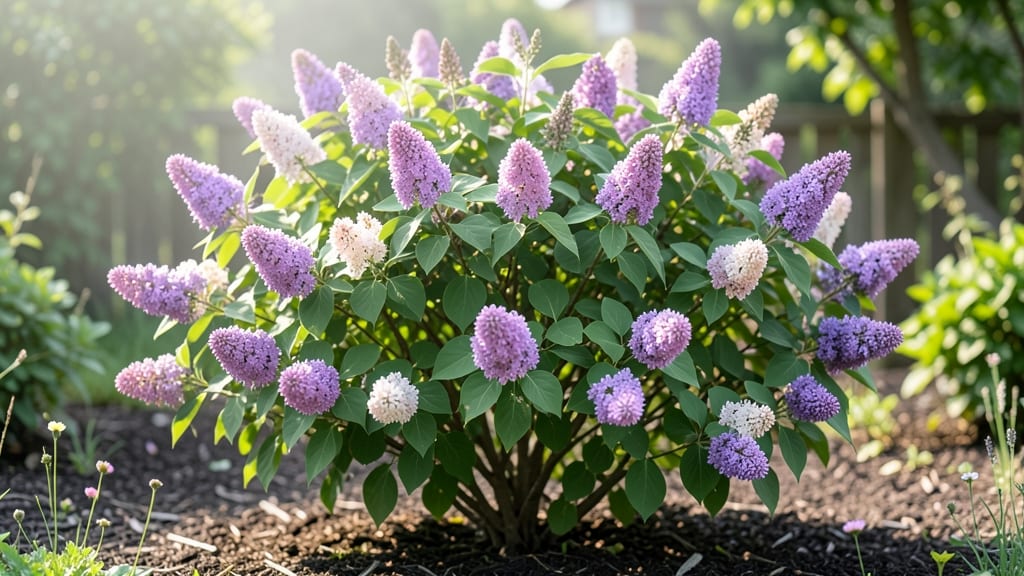
Lilacs in Colorado bloom between late April and June 🌸, with exact timing depending on elevation and variety—so if you’ve ever missed their show, you’re not alone.
Colorado’s lilacs burst into fragrant blooms at different times depending on elevation and variety—miss the peak season, and you’ll lose out on one of spring’s most stunning displays. Timing your garden visits or planting decisions just right means never missing their intoxicating scent.
At lower elevations like Denver, lilacs often start blooming in early May, while mountain regions may see them as late as June. The difference comes down to temperature and altitude, which can shift bloom windows by weeks.
In this guide, I’ll break down the exact months for each elevation zone, share the best varieties for Colorado gardens, and reveal simple care tips to extend those blooms so you can enjoy them for weeks.
Lilac blooming timeline in Colorado by elevation zones
Colorado’s lilac blooms arrive like clockwork—but not all at once. The elevation gradient from the foothills to mountain regions creates a cascading bloom window, from early April to late June. Understanding these timing differences helps you plan garden visits, pruning schedules, or even lilac variety selections to maximize spring fragrance.
At lower elevations—like Denver metro (5,000–6,000 ft)—lilacs often burst into bloom by mid-April, while mountain regions (7,000+ ft) may see their first flowers as late as late May or June. This shift happens because cooler temperatures at higher elevations delay bud break and flowering.
Even within the same city, a backyard at 6,500 ft might bloom 2–3 weeks later than one at 5,500 ft.
The altitude effect isn’t just about timing—it also influences bloom duration and plant hardiness. Lilacs in warmer foothills may enjoy a longer bloom season but face drought stress earlier, while mountain lilacs bloom later but benefit from cooler nights that preserve moisture.
Choosing the right lilac variety for your elevation zone ensures vibrant, fragrant displays year after year.
| Elevation Zone | Avg. Bloom Start | Peak Bloom | Bloom Duration | Key Factors |
|---|---|---|---|---|
| Foothills (4,000–5,500 ft) | Early to mid-April | Late April–early May | 2–3 weeks | Warmer microclimates, earlier bud break |
| Denver Metro (5,500–6,500 ft) | Mid-April | Early to mid-May | 2–3 weeks | Moderate temps, urban heat islands |
| Mountain Foothills (6,500–7,500 ft) | Late April–early May | Mid-May–early June | 3–4 weeks | Cooler nights, slower growth |
| Mountain Regions (7,500+ ft) | Late May–early June | June (sometimes July) | 3–5 weeks | Short growing season, late frost risk |
If you’re a Colorado gardener, knowing your elevation zone helps you select lilac varieties that thrive locally. For example, ‘Katherine Havemeyer’ (a popular light purple lilac) often blooms in late April in Denver but may wait until June in mountain towns.
Meanwhile, ‘Dwarf Korean’ lilacs—compact and fragrant—adapt well to higher elevations where space is limited.
The bloom window also affects pruning timing. In lower elevations, prune lilacs right after their May blooms to shape the plant for next year.
But in mountain regions, where lilacs bloom later, delay pruning until mid-June to avoid cutting off next year’s flower buds, which form on old wood.
Colorado’s variable weather patterns can also shift bloom times. A cold snap in April might delay blooms by 1–2 weeks, while an unusually warm March could bring early flowers.
Pay attention to bud swell—when you see tight, green clusters forming in late winter, that’s your cue that bloom time is approaching.
For urban gardeners in Denver, lilacs near heat-absorbing buildings may bloom 10 days earlier than those in cooler suburbs. This microclimate effect means even small elevation changes (like a hillside vs. valley) can create noticeable timing differences.
To extend your lilac season, plant a mix of early-, mid-, and late-blooming varieties in the same garden.
Finally, soil drainage plays a role in bloom timing. Lilacs in well-draining soils (common in foothills) often bloom earlier than those in clay-heavy soils (found in Denver’s plains). Amending heavy soils with compost or sand can help lilacs in higher elevations reach their full blooming potential.
Plan your spring garden visits around these elevation-based timelines, and you’ll never miss the intoxicating scent
Top 5 lilac varieties in Colorado and their blooming months
Colorado gardeners know lilacs are a spring highlight, but not all varieties bloom at the same time. The Front Range and Western Slope can see differences of up to 3 weeks between early and late bloomers.
Choosing the right cultivar ensures you enjoy fragrant blooms from late April to early June, depending on elevation. Here are my top 5 picks for Colorado's climate.
I’ve selected these varieties based on their hardiness in USDA Zones 5-7, drought tolerance, and consistent performance across Colorado’s diverse microclimates. Whether you live in Denver’s urban heat or the cooler mountain valleys, these lilacs will thrive with minimal fuss.
Their bloom times also create a staggered spring display that keeps your garden vibrant for weeks.
For gardeners in Denver or the Front Range, I recommend starting with ‘Katherine Havemeyer’ or ‘Dwarf Korean’ for early spring color. If you’re in Fort Collins or Boulder, add ‘Miss Canada’ to extend your blooming season into June.
In mountain towns like Aspen or Telluride, focus on late-blooming varieties like ‘Purple Plume’ to sync with the cooler climate.
All these varieties are low-maintenance once established, but they do appreciate a light spring feeding to encourage robust blooms. I’ve found that mulching around the base in late fall helps retain moisture during Colorado’s dry springs. Just avoid overwatering—lilacs hate soggy roots and will drop buds if stressed.
Pro tip: Plant lilacs near patio seating or walkways to maximize their fragrance impact. Pair them with early spring bulbs like daffodils or tulips to create a layered display that starts in March and peaks in May.
With the right mix, your garden will smell like a Colorado spring festival for weeks! 🌸