
Blooming
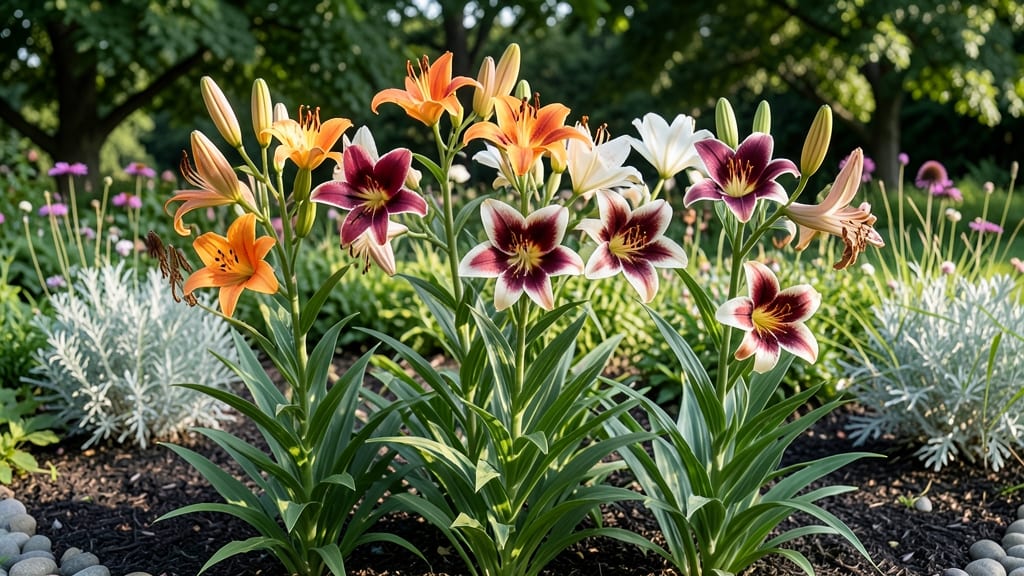
Lilies bloom in Michigan between mid-June and August, with exact timing depending on the variety and your specific zone in the state’s 5b-6b range.
Michigan gardeners know timing is everything—and lilies demand precision. Miss their bloom windows, and you’ll lose out on stunning summer displays. Here’s exactly when each lily variety lights up Michigan’s gardens, so you can plan your planting schedule like a pro.
Asiatic lilies, the earliest bloomers, typically open their buds by late June, while Oriental and Trumpet lilies—known for their dramatic fragrance—wait until July or even early August. Martagon lilies, with their unique Turk’s cap shape, often bloom in July, making them a mid-season standout.
In this guide, you’ll discover how to adjust planting depth, sunlight exposure, and soil prep to coax blooms earlier or extend the season. With the right approach, you can enjoy 🌸 lilies from June through August—turning your garden into a fragrant, colorful showcase.
Michigan lily bloom schedule by variety: exact months for peak flowering
Timing your lily blooms in Michigan means knowing your USDA zones 5b-6b and choosing the right varieties. Early frosts or heatwaves can shift bloom windows by weeks, so planning ahead ensures you catch every summer spectacle.
Most true lilies (like Asiatic and Oriental types) thrive in Michigan’s climate, but their peak months depend on when you plant bulbs and which variety you select.
For true lilies, the magic happens between June and August, but specific varieties bloom earlier or later. For example, Trumpet lilies often start in late June, while Martagon lilies may linger into early September.
Meanwhile, daylilies (not true lilies) can bloom from June through August, with some reblooming varieties extending into September.
Michigan’s microclimates also play a role. Southern Michigan (like zone 6b) tends to see blooms 1-2 weeks earlier than northern areas (like zone 5b).
For instance, Asiatic lilies in Ann Arbor might peak in early July, while the same variety in Traverse City could wait until mid-July.
Here’s your visual cheat sheet for Michigan lily blooms, organized by variety and region:
If you’re planting bulbs in fall (September–October), most varieties will bloom the following summer. For spring planting (April–May), expect blooms the same year but slightly later.
For example, Asiatic lilies planted in May might bloom as early as late July, while those planted in September could wait until early August.
Pro tip: Use mulch in early spring to warm the soil faster and encourage earlier blooms. In northern Michigan, where summers are shorter, opt for early-blooming varieties like Trumpet lilies or Asiatic lilies to maximize your display.
In southern Michigan, you can stretch the season by mixing early and late bloomers.
Watch for bud swell in spring—this is your cue that blooms are coming soon! True lilies typically take 60–90 days from bud formation to full bloom, while daylilies can flower in as few as 45 days under ideal conditions.
Keep an eye on stem firmness and leaf health; healthy stems support stronger blooms.
For longer displays, pair early and late-season varieties. For instance, plant Trumpet lilies (late June) alongside Oriental lilies (August) to enjoy color from June through September. In container gardens, choose dwarf varieties like ‘Stargazer’ lilies (Oriental) or ‘Little Champion’ daylilies for patio-friendly blooms.
Remember, Michigan’s unpredictable weather can shift timelines. A cool June might delay blooms, while a hot July could push them earlier. Adjust your expectations and enjoy the process—because even if timing isn’t perfect, lilies bring unmatched beauty to Michigan gardens. 🌸
How to extend Michigan lily blooms: planting tricks for longer seasonal displays
Michigan’s short growing season can feel like a race against time for lily lovers. But with the right planting tricks, you can stretch those showstopping blooms from early summer to late fall. The key lies in understanding how hardiness zones 5-6 interact with your chosen varieties—and when to make adjustments.
I’ve found that layering varieties and tweaking soil conditions can push blooms earlier or later by 2-3 weeks. For example, Asiatic lilies often bloom first in June, while Oriental lilies shine in August. By combining them strategically, you create a continuous floral display that keeps your garden vibrant longer.
🌱 Proven Tricks to Extend Lily Blooms in Michigan
- 📅 Plant early varieties (like Asiatic lilies) in fall for June blooms
- 🌡️ Use black mulch to warm soil faster and trigger earlier blooms by 10-14 days
- 💧 Water deeply in early spring to jumpstart growth before Michigan’s dry spells
- 🌿 Layer varieties—plant Trumpet lilies (late summer) alongside Daylilies (early summer)
- ✂️ Deadhead spent blooms to redirect energy to next year’s buds
Michigan’s cool nights can delay blooming, but I’ve learned to combat this by amending soil with compost before planting. This improves drainage and warmth retention—critical for Oriental lilies, which need consistent heat to thrive.
Aim for a 6.0-7.0 pH and mix in sand or perlite if your native soil is heavy.
For late-season extensions, try mulching with straw after blooming. This preserves root warmth into September-October, sometimes coaxing a second flush of buds from hardy varieties like Martagon lilies. Just avoid piling mulch against stems to prevent rot—a common mistake that kills blooms before they start.
Don’t overlook the power of light placement. In Michigan’s partial shade areas (common in Zone 5), Asiatic lilies will bloom 2 weeks later than in full sun. If you’re near a south-facing wall or fence, position taller varieties there to maximize heat absorption and accelerate flowering.
Finally, remember that Michigan’s first frost (usually mid-October) signals the end of the natural blooming window. To beat it, choose late-blooming varieties like ‘Stargazer’ Oriental lilies, which often hold onto their blooms until early September with proper care.