
Blooming
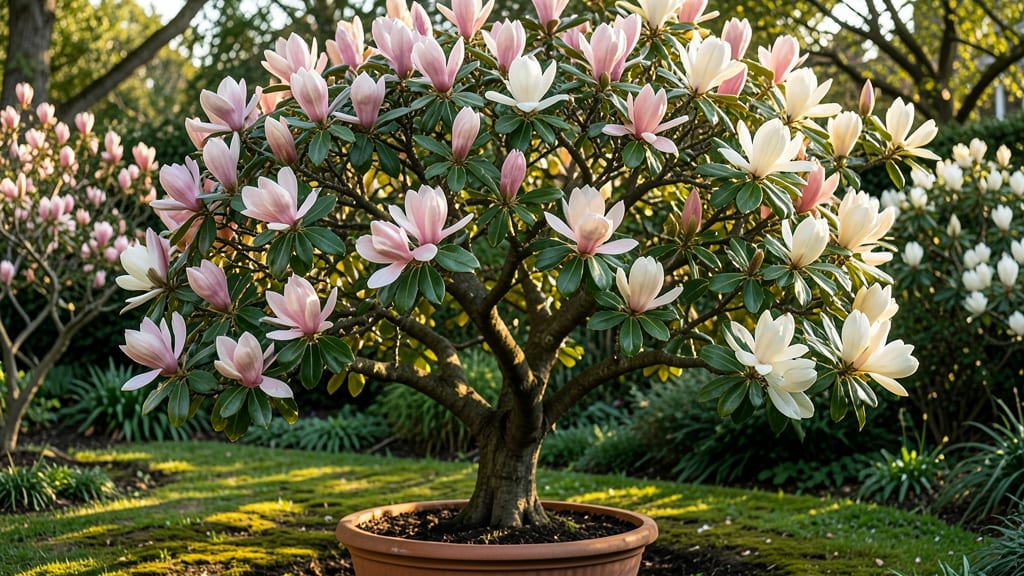
Magnolias bloom in North Carolina between late February and May 🌸, depending on the variety and your region—think of it as a state-wide parade with each county getting its own starting line.
Picture this: a Southern Magnolia in the Coastal Plain unfurling its creamy blooms by mid-March, while a Star Magnolia in the mountains waits until April, when the air finally warms above 50°F.
That’s a six-week difference right across your state, and it’s why timing matters so much for your garden plans.
Coastal areas like Wilmington and the Outer Banks see blooms earliest, thanks to milder winters, while the Piedmont’s Raleigh-Durham corridor and the mountains around Asheville play catch-up. Even within a single county, microclimates—like a sheltered valley or a south-facing yard—can shift bloom times by weeks.
Below, I’ll break down the exact months for your top varieties, regional quirks, and how to coax extra blooms from your tree—because once you know the rhythm, you can time your garden’s grand entrance like a pro.
North Carolina Magnolia blooming seasons by region: coastal vs Piedmont vs mountains
North Carolina’s diverse climate zones create stunning variations in magnolia blooming seasons, with coastal areas often seeing blooms 2-4 weeks earlier than the mountains. The Piedmont region typically falls in between, offering a gradual progression of floral displays.
Understanding these regional differences helps you choose the right magnolia varieties for your garden and anticipate their stunning displays.
Coastal regions like Wilmington and Morehead City enjoy warmer winters and milder springs, triggering magnolias to bloom as early as late February. Meanwhile, the mountain regions (Asheville, Boone) often experience late April or early May blooms due to cooler temperatures.
The Piedmont (Raleigh, Greensboro) usually sees blooms in March to early April, creating a beautiful gradient across the state.
Temperature plays a crucial role in magnolia blooming. Most varieties need consistent daytime temperatures above 50°F to trigger bud opening. Coastal areas hit this threshold earlier, while mountain regions may wait until April or later.
Additionally, late frost risks vary dramatically—coastal areas have minimal frost concerns, while mountain gardens often face April frost warnings that can damage early blooms.
Southern Magnolia (Magnolia grandiflora) typically blooms in late spring to early summer, but regional timing shifts significantly. In coastal areas, you might see blooms as early as May, while mountain gardens often wait until June. The Star Magnolia (Magnolia stellata) is an exception, often blooming in late winter to early spring across all regions, though coastal blooms arrive 2-3 weeks earlier.
Here’s how North Carolina’s three main regions compare when it comes to magnolia blooming seasons:
| Region | Typical Bloom Window | Key Temperature Trigger | Frost Risk Period | Best Varieties for Region |
|---|---|---|---|---|
| Coastal (Zones 8a-8b) | Late February - Early April | 50°F+ for 3+ days | Minimal (occasional Dec-Feb) | Star Magnolia, Sweet Bay |
| Piedmont (Zones 7a-7b) | Early March - Mid April | 55°F+ for 5+ days | March 15-April 15 | Saucer Magnolia, Little Gem |
| Mountains (Zones 6b-7a) | Late April - Early June | 60°F+ for 7+ days | April 1-May 10 | Cucumbertree, Yellow Magnolia |
The coastal plain offers the earliest blooms because its milder winters allow magnolias to break dormancy sooner. Gardeners in Wilmington or Beaufort can expect Star Magnolias to burst into bloom as early as late February, while Southern Magnolias may wait until May.
This early start gives coastal gardeners a 4-6 week advantage over mountain regions.
In the Piedmont, where cities like Raleigh and Durham experience cooler nights but warmer days, magnolias typically bloom in March. The Saucer Magnolia (Magnolia × soulangeana) is particularly stunning here, often flowering in early March with its pink and purple blooms.
However, late March frosts can still damage tender buds, so choosing late-blooming varieties is wise for this transitional zone.
Mountain regions present the greatest challenge for magnolia enthusiasts due to later frost dates and cooler springs. Asheville and Boone gardeners should plan for blooms in late April or May, with some varieties like Cucumbertree Magnolia (Magnolia acuminata) waiting until June.
The higher elevation means longer chilling requirements for many varieties, which can delay bud opening until temperatures remain consistently above 60°F.
If you’re planting magnolias in urban microclimates, be aware that heat islands can advance bloom times by 1-2 weeks compared to rural areas. Similarly, south-facing slopes in mountain regions may experience earlier blooms than north-facing yards.
For container-grown magnolias, move pots to sheltered locations during cold snaps to protect developing buds from frost damage.
To maximize your magnolia’s blooming potential, choose varieties that match your region’s climate. Coastal gardeners should prioritize early bloomers like Star Magnolia, while mountain gardeners may prefer later-blooming types like Yellow Magnolia (Magnolia virginiana). In the Piedmont, <
Top 5 Magnolia varieties in NC & their exact blooming months (with photos)
North Carolina’s diverse climate creates a stunning magnolia blooming parade from late winter through early summer. Each variety has its own timing window, with some like the Southern Magnolia waiting until summer while others like the Star Magnolia burst into bloom in late winter.
Understanding these blooming months helps you plan your garden’s seasonal highlights perfectly.
The key to maximizing magnolia blooms in NC is knowing which varieties thrive in your specific USDA zone. Coastal areas (zones 8a-9a) often see blooms 2-4 weeks earlier than mountain regions (zones 6b-7a).
For example, a Star Magnolia in Wilmington might bloom in February, while the same tree in Asheville could wait until March.
| Variety | NC Blooming Month | Height | Key Features |
|---|---|---|---|
| Southern Magnolia (M. grandiflora) | June-July | 60-80 ft | Evergreen, glossy leaves, fragrant blooms |
| Star Magnolia (M. stellata) | Late Feb-March | 15-25 ft | Early bloomer, star-shaped flowers, cold-hardy |
| Saucer Magnolia (M. × soulangeana) | March-April | 20-30 ft | Large pink/purple blooms, early spring focal point |
| Little Gem (M. grandiflora 'Little Gem') | June-July | 15-25 ft | Dwarf evergreen, great for small yards |
| Yulan Magnolia (M. denudata) | April-May | 15-25 ft | Pure white cup-shaped flowers, late bloomer |
The Southern Magnolia is NC’s most iconic variety, but its summer blooming (June-July) means you’ll miss the early spring color rush. For that, plant a Star Magnolia or Saucer Magnolia—both deliver stunning winter-to-spring displays when most gardens are still dormant.
My Star Magnolia in Raleigh blooms in late February, often while there’s still snow on the ground!
If you love fragrant blooms, prioritize the Southern Magnolia or Yulan Magnolia. The Yulan’s April-May timing fills the gap between early spring bloomers and summer’s Southern Magnolia. For small spaces, the Little Gem delivers all the Southern Magnolia’s benefits in a compact package.
Just remember: Star Magnolias need protection from late frosts, while Saucer Magnolias thrive in full sun.
Pro tip: Pair a Star Magnolia (February-March) with a Saucer Magnolia (March-April) for a 6-week bloom extension. This creates a continuous floral display that’s perfect for NC’s mild winters. And if you’re in the mountains (zones 6b-7a), expect blooms to arrive 2-3 weeks later than coastal areas.
For the best results, plant magnolias in well-draining soil with morning sun and afternoon shade. Mulch around the base to protect roots from temperature swings—this helps extend bloom seasons by creating a more stable microclimate.
With the right variety and care, your NC garden can enjoy magnolia blooms from February through July! 🌸