
Blooming
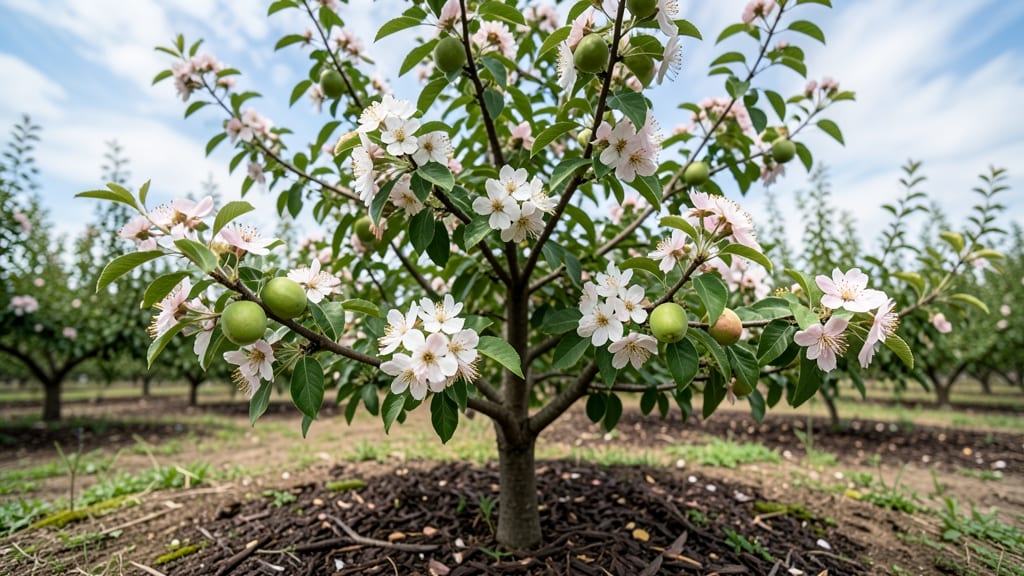
Peach trees in Texas bloom between late February and early April 🍑 — but the exact timing depends on your region’s chill hours and frost-free window.
Texas gardeners know timing is everything—plant peach trees too early, and a late frost can ruin your harvest. But get the bloom schedule right, and you’ll enjoy sweet, juicy peaches all summer long.
From the Hill Country’s cooler nights to the Gulf Coast’s milder winters, your local climate dictates when those delicate blossoms appear. Low-chill varieties in South Texas might bloom as early as February, while North Texas gardeners often wait until March.
Here’s how to align your peach tree’s bloom with Texas’s frost-free timeline, plus care tips to protect blossoms and maximize fruit production.
Peach tree bloom timing in Texas: chill-hours & frost-free deadlines
Understanding peach tree bloom timing in Texas starts with chill-hours—the number of hours below 45°F your tree needs to trigger flowering. Texas spans USDA zones 8a-10a, creating dramatic differences between the Panhandle and Gulf Coast.
In North Texas, chill-hours average 800-1,200 hours, while South Texas often sees just 400-600 hours, requiring special low-chill varieties.
Peach trees typically bloom in late winter to early spring, but exact timing depends on your region. In North Texas (Amarillo, Lubbock), blooms appear around mid-February, while Central Texas (Austin, San Antonio) sees flowers in late February to early March.
Gulf Coast areas like Houston or Corpus Christi may bloom as late as March to April due to warmer winters.
The frost-free deadline is your most critical window—blooms exposed to frost (<32°F) can lose 70-100% of potential fruit. Check your last frost date: February 15 in North Texas vs. January 15 in South Texas. Plant low-chill varieties in warmer zones to avoid late frosts ruining your harvest.
For North Texas gardeners, high-chill varieties like Redhaven thrive with 900+ chill-hours, blooming earliest in the season. But if you're in South Texas, these same trees may produce no fruit at all—their buds simply won’t open without sufficient winter chill.
Instead, opt for low-chill varieties like Tropic Beauty, which bloom later and avoid frost damage.
Protecting blossoms from frost is key. Use row covers or overhead sprinklers to raise temperatures by 5-10°F during critical bloom windows. In Central Texas, where frosts often hit in March, timing is everything—plant mid-to-late blooming varieties like Flordagold to miss the worst frost risks.
Soil temperature also affects bloom timing. Peach trees need soil temps above 50°F to break dormancy. In warmer South Texas, this happens earlier (by January), while North Texas may wait until February. Monitor soil temps with a soil thermometer—consistent warmth triggers bud swell and flowering.
Pruning plays a role too. Winter pruning (done in late winter before buds swell) removes dead wood and opens the canopy for better airflow. This encourages healthier blooms and reduces disease risk. Avoid heavy pruning in spring, as new growth competes with fruit development.
Watering strategies shift during bloom season. Deep watering every 7-10 days keeps roots hydrated without wetting blossoms (which invites fungal diseases). In drought-prone West Texas, mulch with 2-3 inches of wood chips to retain moisture and regulate soil temps.
Finally, track your local microclimate. Urban areas like Dallas can be 5-10°F warmer than rural zones, delaying frost risks. Use weather apps or local Cooperative Extension Service data to fine-tune your bloom predictions.
With the right variety and timing, you’ll enjoy juicy Texas peaches from May through July—no frost damage in sight!
How to extend peach tree bloom season in Texas heat
Texas summers are brutal, but with the right strategies, you can coax your peach trees to bloom earlier or later—giving you more time to enjoy those juicy fruits. The key lies in managing soil temperatures, watering schedules, and pruning techniques to regulate growth.
Since Texas heat can stress trees, small adjustments make a big difference in flowering timing.
Start by choosing heat-tolerant varieties like ‘Redhaven’ or ‘Elberta’, which thrive in Texas’s USDA Zones 8-10. These varieties handle warmer winters better than high-chill peach cultivars, making them ideal for extending bloom seasons.
Pair them with smart irrigation practices to keep roots cool and encourage delayed or staggered blooming.
🌱 Top 5 Ways to Extend Peach Tree Bloom Season
- 1. Soil Temperature Management: Use mulch (straw or wood chips) to insulate roots. Warmer soil in late winter can trigger earlier blooms, while cooler soil delays them.
- 2. Strategic Watering: Deep-water trees every 5-7 days in summer to reduce stress. Avoid overwatering before bloom—it can cause bloom drop.
- 3. Pruning for Balance: Prune lightly in late winter to remove water sprouts and open the canopy for better airflow. This regulates fruit production and extends bloom windows.
- 4. Heat-Tolerant Varieties: Plant low-chill varieties like ‘Redhaven’ (300-400 chill hours) or ‘Elberta’ (400-500 chill hours) for reliable blooms in Texas heat.
- 5. Shade Cloth in Peak Heat: Use 30-50% shade cloth during 100°F+ days to protect blossoms and delay fruit set until temperatures drop.
For delayed blooming, focus on cooling the root zone. Install drip irrigation to keep soil moist but not soggy—this mimics cooler conditions. In contrast, to advance blooming, use black plastic mulch in early spring to warm the soil faster.
Just be cautious: early blooms risk frost damage in North Texas.
Pruning plays a crucial role too. In late winter, remove dead or crossing branches to improve airflow. This reduces stress and helps trees allocate energy to flower production instead of vegetative growth.
Avoid heavy pruning in summer, as it can shock the tree and delay next year’s blooms.
Finally, monitor your tree’s chill-hour requirements. Texas’s mild winters often don’t provide enough chill hours for high-chill varieties.
If your tree isn’t blooming, it may need a forced dormancy period—try moving potted trees to a cooler garage for 4-6 weeks in winter to trick it into blooming on schedule.
With these techniques, you’ll enjoy longer bloom seasons and a bountiful harvest—even in Texas’s relentless heat. Start with soil temperature control and pruning, then adjust based on your tree’s response. Happy gardening! 🌿☀️