
Blooming
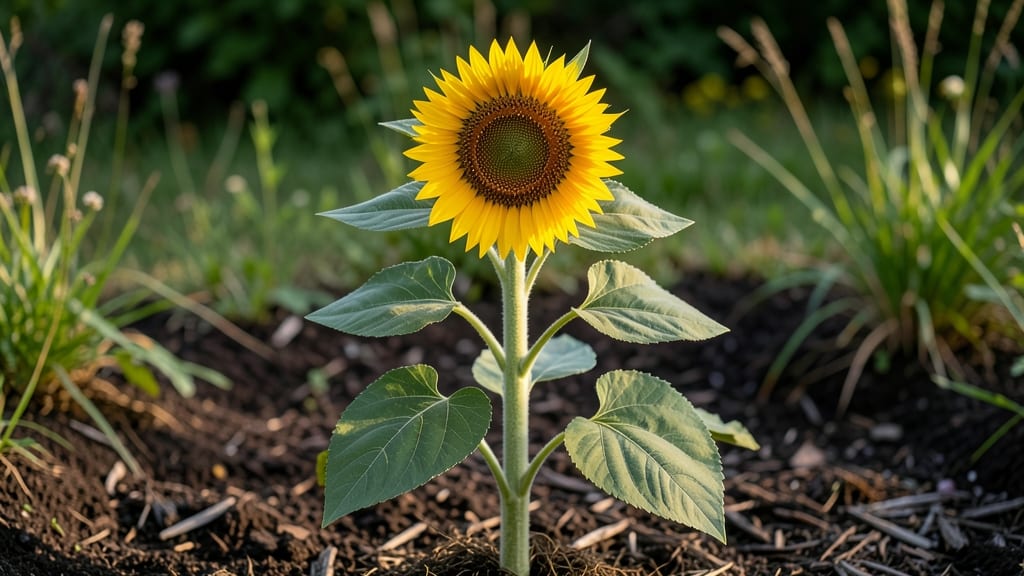
Sunflowers bloom in Illinois between mid-July and October, with timing depending on your USDA zone and planting window.
Picture this: your 🌻 seedlings just sprouted in May, and now you’re waiting for those towering blooms to light up your garden. But here’s the catch—plant too late, and you might miss the summer show entirely. The key is matching your variety to your zone’s frost dates and heat patterns.
In northern Illinois (zones 5a-5b), expect blooms to start around late July, while southern Illinois (zone 6b) can see flowers as early as June for fast varieties. The right prep—soil, water, and sunlight—can shift that timeline by weeks.
Below, I’ll break down the exact blooming windows for your zone, plus three proven tricks to coax earlier (or later) flowers—no guesswork involved.
Illinois sunflower blooming timeline by USDA hardiness zones
Sunflowers thrive in Illinois's diverse climate, but their bloom times vary dramatically across USDA Zones 4-6. Whether you're in northern Illinois (Zone 4) or southern Illinois (Zone 6), understanding these timelines ensures you'll enjoy vibrant blooms from July through October.
The key is planting at the right time—after your average last frost date—and choosing varieties that match your growing season.
In Zone 4 (northern Illinois), sunflowers typically bloom 2-3 weeks later than in Zone 6 (southern Illinois). This difference is due to cooler spring temperatures and shorter growing seasons in the north.
For example, early varieties in Zone 6 may bloom by mid-July, while the same variety in Zone 4 might not reach full bloom until early August. Let’s break down the exact timelines for each zone.
🌱 Key Factors Affecting Bloom Time:
- Planting date (after last frost)
- Variety maturity (early vs. late-season)
- Average frost dates (Zone 4: May 15; Zone 6: April 15)
- Sunlight exposure (6+ hours daily for optimal growth)
| Zone | Last Frost Date | Planting Window | Early Varieties Bloom | Mid Varieties Bloom | Late Varieties Bloom | First Frost Risk |
|---|---|---|---|---|---|---|
| Zone 4 | Mid-May | Late May - Early June | Late July - Early August | Mid-August - Early September | Late September - October | Mid-October |
| Zone 5 | Early May | Early May - Mid-June | Early July - Mid-July | Late July - Mid-August | Mid-September - Early October | Late October |
| Zone 6 | Mid-April | Mid-April - Late June | Mid-June - Early July | Late July - Early September | September - Mid-October | Early November |
For Zone 4 gardeners, focus on fast-maturing varieties (60-70 days to bloom) like 'Teddy Bear' or 'Moulin Rouge' to avoid early fall frosts. These varieties can complete their life cycle before the first frost hits in mid-October.
In contrast, Zone 6 gardeners have more flexibility and can experiment with taller varieties like 'Russian Giant' or 'Autumn Beauty', which bloom later and provide extended color into October.
If you're in Zone 5, you’ll find a balanced bloom schedule that works for both early and mid-season varieties. For example, planting 'Sunspot' (early) in early May will yield blooms by mid-July, while 'ProCut' (mid-season) planted in late May will bloom in early August.
This overlap ensures continuous color in your garden. Always monitor your local frost forecasts—sudden cold snaps can stunt growth or damage emerging buds.
To extend your sunflower season, consider succession planting. Start with early varieties in May, then follow up with mid-season varieties in June and late varieties in July. This strategy guarantees blooms from July through October, regardless of your zone.
For instance, in Zone 6, you could have 'Autumn Beauty' blooming in September while 'Teddy Bear' from an earlier planting is still thriving.
One common mistake is planting too early in Zone 4 or 5. Soil temperatures below 50°F (10°C) can delay germination. Use a soil thermometer to ensure seeds are planted when the soil is at least 55°F (13°C).
In Zone 6, you can start as early as mid-April, but in Zone 4, wait until late May to avoid frost damage to young seedlings.
Sunflowers are drought-tolerant once established, but consistent watering during the first 4-6 weeks is critical for strong root development. In Zone 6, where summers are hotter, aim for 1-2 inches of water per week.
In Zone 4, where summers are cooler, reduce to 1 inch per week to prevent fungal diseases. Always water at the base of the plant in the morning to allow foliage to dry quickly.
For maximum bloom potential, choose a location with full sun exposure (6+ hours daily) and well-draining soil. Amend heavy clay soils with compost or sand
How to adjust sunflower planting for Illinois weather patterns
Illinois' variable climate—from late spring frosts in the north to humid summers—can challenge sunflower growers. The key to success lies in adjusting planting times and choosing fast-maturing varieties that thrive in your specific region.
Northern Illinois (USDA Zone 5) faces cooler temperatures, while southern Illinois (Zone 6) enjoys longer growing seasons. Let's break down how to optimize your planting schedule.
First, timing is everything when dealing with Illinois' unpredictable weather. A late frost in May can devastate early plantings, while a drought spell in July can stunt growth. By selecting early-blooming varieties for northern regions and heat-tolerant types for southern areas, you can ensure vibrant blooms from July through October.
Let's explore the best strategies to extend your sunflower season.
For northern Illinois gardeners, focus on fast-maturing varieties that can bloom before the first frost in October. 'Autumn Beauty' is a great choice, offering multi-colored blooms and maturing in just 60 days. Plant these in late May to ensure they reach maturity before temperatures drop.
If you're in southern Illinois, you have more flexibility—try planting 'Russian Giant' sunflowers in early April for towering 12-foot stalks that bloom in late summer.
Don't forget to adjust your watering schedule based on Illinois' humid summers. While sunflowers are drought-tolerant once established, they still need consistent moisture during their first few weeks of growth.
Water deeply in the morning to reduce fungal diseases that thrive in the high humidity common in July and August. A 5-gallon bucket of water per plant is ideal during dry spells.
To maximize your sunflower season, consider succession planting. Start a new batch of seeds every 2-3 weeks from May through July. This ensures you'll have continuous blooms from July through October.
For container gardens, choose dwarf varieties like 'Little Becka' or 'Sunspot', which reach only 1-3 feet tall but still produce vibrant blooms. These are perfect for patios or balconies where space is limited.
Finally, keep an eye on the weather forecast and be prepared to protect young plants from unexpected late frosts. Use row covers or even old blankets draped over plants if frost is predicted.
With these adjustments, you'll enjoy stunning sunflowers from summer through fall, no matter where in Illinois you garden. 🌻