
Blooming
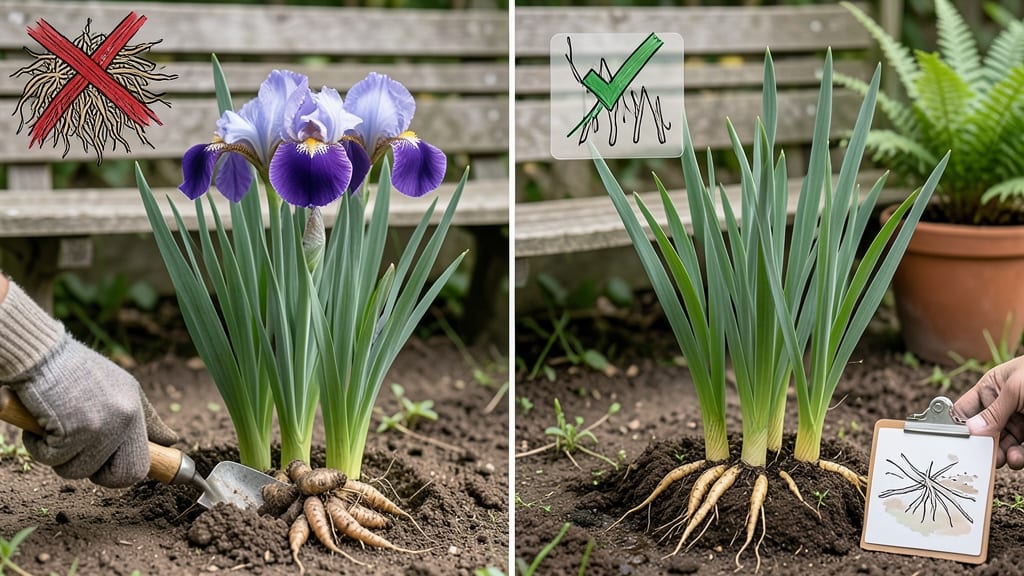
Why didn’t my iris bloom this year?—I’ve been there, staring at those stubborn green fans with frustration. 🌱 The truth is, irises often skip blooming for specific reasons: too much shade, overcrowded rhizomes, or last year’s energy still lingering in the roots. The good news? These issues are fixable with a few targeted adjustments, and next spring could bring the showstopping display you’re hoping for.
Most gardeners miss the mark on two key things: sunlight and dormancy. Irises need 6+ hours of full sun daily, and if your patch sits under trees or in a shady corner, they’ll focus on leaves instead of blooms.
Equally critical is letting them rest after flowering—cutting back foliage too early starves the rhizomes of stored energy. Even a well-timed division every 3-4 years can revive blooming when roots get too crowded.
Start with a soil check: irises prefer sandy, well-draining soil with a balanced fertilizer (like 10-10-10) in early spring. Over-fertilizing with nitrogen pushes leaf growth at the expense of flowers.
After blooming, let the leaves yellow naturally—they’re feeding next year’s buds. With these tweaks, you’ll see bold purple, yellow, or white spikes rebounding within 1-2 seasons.
For stubborn non-bloomers, try this one-season reset: divide the clumps in late summer, replant in full sun, and skip fertilizer until next spring. The shock often triggers a flush of blooms the following year. Patience pays off—irises reward consistency with dramatic, long-lasting blooms that outshine most perennials.
Common Culprits Behind Skipped Blooms
If your iris plants are looking lush but stubbornly bloom-free, don’t panic—there’s almost always a logical (and fixable!) reason behind it. Irises are hardy but particular, and their blooming cycles depend on a delicate balance of environmental factors, care practices, and even their own biology.
Below, we break down the most common reasons your irises might have taken a hiatus this year, along with the science behind each one.
Irises are sun worshippers—they thrive in full sun (6–8+ hours of direct sunlight daily) and often refuse to bloom if they’re shaded. Here’s why:
- Photosynthesis slowdown: Less light means reduced energy production, which delays the plant’s ability to form flower buds. Irises store energy in their rhizomes (thick roots), and weak photosynthesis starves this process.
- Temperature sensitivity: Sunlight also regulates soil temperature. Cooler soil (common in shaded areas) can trick irises into thinking it’s not time to bloom, even if the season is right.
- Weak stems: Shade produces leggy, weak flower stalks that may never open or might snap under their own weight.
Actionable fix: Trim back overhanging trees or shrubs, and avoid planting irises under tall perennials like peonies or hostas. If relocating isn’t an option, opt for Iris germanica varieties, which tolerate slightly more shade than bearded irises.
Irises are drought-tolerant and despise soggy conditions. Too much water (or waterlogged soil) triggers several bloom-blocking issues:
- Root rot: Excess moisture suffocates rhizomes, preventing them from absorbing nutrients and storing energy for blooms. Fungal infections like Rhizoctonia thrive in wet conditions, further weakening the plant.
- Nutrient leaching: Waterlogged soil flushes out essential nutrients (like phosphorus and potassium), which are critical for flower development.
- Delayed dormancy: Irises need a dry period in late summer to signal the plant to rest and prepare for next year’s blooms. Constant moisture confuses their internal clock.
Actionable fix:
- Ensure your iris bed has well-draining soil (sandy loam is ideal). Amend clay soil with perlite or coarse sand.
- Water deeply but infrequently—aim for 1 inch per week, letting the soil dry between waterings.
- Plant rhizomes partially above soil level (1–2 inches exposed) to prevent rot.
Irises need specific nutrients to bloom, and deficiencies can halt flower production before it starts. The biggest culprits?
| Nutrient | Why It Matters | Signs of Deficiency |
|---|---|---|
| Phosphorus (P) | Critical for energy transfer in cells, including flower bud formation. | Purplish or reddish leaves, stunted growth, no blooms. |
| Potassium (K) | Regulates water and nutrient uptake; low levels weaken stems and flowers. | Yellowing leaf edges, weak or floppy flower stalks. |
| Magnesium (Mg) | Helps activate enzymes for photosynthesis and bloom development. | Yellowing between leaf veins (like a mosaic pattern). |
Actionable fix:
- Test your soil (kits are affordable and available at garden centers). Aim for a pH of 6.0–7.0.
- Apply a low-nitrogen, high-phosphorus fertilizer (like 5-10-10) in early spring as buds form.
- Avoid over-fertilizing with nitrogen—it promotes leafy growth at the expense of blooms.
Timing is everything with irises. Cutting or dividing at the wrong time can shock the plant and delay—or even prevent—blooming. Here’s what goes wrong:
- Post-bloom pruning too late: If you wait until after mid-summer to cut back foliage, the plant loses its chance to photosynthesize and store energy for next year’s blooms.
- Dividing in peak growing season: Splitting rhizomes in spring or fall (instead of early summer) stresses the plant, diverting energy away from flower production.
- Removing too much foliage: Irises need 6–8 weeks of green leaves after blooming to replenish rhizomes. Trimming too soon starves them.
Actionable fix:
- Prune yellowed or dead foliage in early summer (after blooms fade but before leaves turn brown).
- Divide clumps in June or early July when rhizomes are actively growing but before they go dormant.
- Leave at least 6 inches of leaf after blooming to ensure energy storage.
Irises are cold-hardy but sensitive to temperature swings, especially during critical growth stages. Here’s how weather messes with blooms:
- Late frosts: Damaging new flower buds in spring (when irises are most vulnerable) can prevent blooms from opening.
- Heatwaves before dormancy: If summer stays too hot and dry into August, irises may not get the cool-down signal they need to trigger dormancy and set next year’s buds.
- Winter dieback: In Zone 5 or colder, severe winters can kill rhizomes, leading to no blooms the following year.
Actionable fix:
- Protect young buds in late spring with frost cloth if frost is forecasted.
- Water deeply during heatwaves to keep soil cool (but avoid soggy conditions).
- Mulch with straw or pine needles in fall to insulate rhizomes in cold climates.
Hidden invaders can sap your irises’ energy, leaving them too weak to bloom. Common offenders include:
- Iris borers: Larvae burrow into rhizomes, creating tunnels that block nutrient flow. Infested plants produce stunted, weak stalks.
- Root rot fungi: Erwinia or Phytophthora cause soft, mushy rhizomes that can’t support blooms.
- Aphids or thrips: These sap-sucking pests
Revive Your Irises Now
If your irises are looking more like a sad green curtain than a vibrant spring showstopper, don’t panic—there’s still hope! The good news is that most blooming issues can be fixed with a few targeted tweaks.
Below, we’ve mapped out practical solutions for each common cause, along with prevention tips to keep your irises thriving next season.
---
Problem: Irises need 6+ hours of direct sunlight daily—shady spots or newly planted bulbs in low-light areas won’t bloom.
How to Fix It: ✅ 🔥 Move Them Now – If possible, relocate your irises to a sunnier spot in your garden. Even partial shade (like dappled light under trees) can stunt blooms. ✅ 🍳 Thin Overcrowded Clumps – If irises are planted too closely, they compete for light. Dig up congested clumps, separate the rhizomes, and replant them 3–4 inches deep in full sun. ✅ 👨🍳 Build a Raised Bed – If your soil is consistently damp or shady, consider a raised bed with well-draining soil to improve light penetration.
💡 Prevention Tip: - Plant in spring (after the last frost) for the best sunlight access. - Avoid tall plants or structures that cast shade over irises as they grow.
---
Problem: Irises hate wet, heavy, or nutrient-poor soil—their roots need good drainage and slightly alkaline conditions (pH 6.0–7.0).
How to Fix It: ✅ 🔪 Amend the Soil – Mix in coarse sand, perlite, or gritty compost to improve drainage. Avoid rich, nitrogen-heavy fertilizers (they promote leaves over blooms!). ✅ 🥘 Test & Adjust pH – Use a soil test kit (available at garden centers). If pH is too low (acidic), add lime to raise it. ✅ 🌡️ Check Drainage – If your garden floods after rain, plant irises on a slight slope or in a raised bed to prevent root rot.
💡 Prevention Tip: - Mulch lightly (1–2 inches) with gravel or pine needles to keep soil loose and well-draining. - Avoid peat moss—it can make soil too acidic.
---
Problem: Over-pruning, cutting back too late, or removing last year’s foliage starves the rhizomes of energy for next year’s blooms.
How to Fix It: ✅ 🍳 Wait Until Summer – Never cut back irises until after they’ve fully yellowed (usually 6–8 weeks after blooming). This ensures stored energy for next spring. ✅ 👨🍳 Trim Strategically – If you must prune for aesthetics, leave at least 6 inches of leaves to feed the rhizome. ✅ ⏰ Divide & Refresh – If your irises are older than 5 years, they may be overcrowded. Dig up clumps, separate the rhizomes, and replant the healthiest ones.
💡 Prevention Tip: - Mark blooming stems with flags or twine so you know which leaves to preserve. - Never cut back in fall or winter—this weakens the plant before dormancy.
---
Problem: Irises rot in soggy soil but also struggle in drought. Too much or too little water can both prevent blooms.
How to Fix It: ✅ 🥘 Water Deeply but Infrequently – Irises need 1 inch of water per week, but let the soil dry slightly between waterings to prevent rot. ✅ 🌡️ Avoid Overhead Watering – Water at the base (not the leaves) to prevent fungal diseases like iris borer. ✅ ⏰ Mulch Correctly – Use organic mulch (straw or wood chips) but keep it 3–4 inches away from the rhizomes to prevent rot.
💡 Prevention Tip: - Install a drip irrigation system for consistent moisture without soggy soil. - Check soil moisture by sticking your finger 2 inches deep—if it’s damp, wait to water.
---
Problem: Iris borers, slugs, or fungal infections can weaken plants, reducing or eliminating blooms.
How to Fix It: ✅ 🔪 Treat Borers Early – Look for sawdust-like frass (insect waste) near the base. Handpick larvae or apply neem oil in early summer. ✅ 👨🍳 Set Slug Traps – Use beer traps or copper barriers to protect young shoots. ✅ 🌡️ Improve Airflow – Space plants 12–24 inches apart to reduce humidity and fungal risks.
💡 Prevention Tip: - Plant resistant varieties like ‘Adamant’ or ‘Harmony’ if borers are a recurring issue. - Rotate crops—don’t plant irises in the same spot year after year.
---
Problem: Too much nitrogen = lush leaves, no blooms. Irises need balanced, low-nitrogen fertilizer.
How to Fix It: ✅ 🍳 Use the Right Formula – Choose a 5-10-10 or 10-10-10 fertilizer (low nitrogen, higher phosphorus/potassium for blooms). ✅ 👨🍳 Apply at the Right Time – Fertilize after blooming (late spring/early summer) and again in early fall. ✅ ⏰ Avoid Spring Feeding – Fertilizing before blooming encourages leaves over flowers.
💡 Prevention Tip: - Granular fertilizer works best—scratch it into the soil around (not on) the rhizomes. - Compost tea is a great low-risk organic option.
--- Final Thought: Most iris blooming failures come down to light, soil, or timing—but with these fixes, your garden can bloom beautifully next spring. Start with one or two adjustments this season, and watch your irises make a comeback!
Would you like a seasonal checklist to keep track of these steps? Let us know in the comments! 🌸
Frequently asked questions
Why do my irises have lots of leaves but no flowers?
Too much nitrogen in your soil or fertilizer is likely the culprit. Irises prioritize leaf growth when they get excess nitrogen, leaving no energy for blooms. Switch to a low-nitrogen, high-phosphorus fertilizer (like 5-10-10) applied in early summer after blooming. This shift encourages flower production instead of foliage.
Can I still get blooms if I cut back my iris leaves too early?
Yes, but you’ll likely see fewer blooms next year. Irises need 6-8 weeks of green leaves after blooming to store energy in their rhizomes. If you cut too soon, the plant won’t have enough reserves. Wait until leaves turn completely yellow before trimming—this ensures next year’s flowers get the energy they need.
How do I know if my iris rhizomes are overcrowded?
Overcrowding happens when rhizomes grow too close together, competing for nutrients. Look for small, weak stalks with few blooms or no flowers at all. Dig up a clump—if you see multiple rhizomes growing right next to each other with few roots, it’s time to divide. Separate healthy rhizomes in early summer and replant them with 3-4 inches of space between each.
Will moving my irises to a sunnier spot guarantee blooms next year?
Not immediately, but it sets the stage for success! Irises need 6+ hours of full sun daily to bloom. Moving them now gives them time to establish in the new location. You may see blooms within 1-2 seasons, especially if you also improve soil drainage and fertilize properly. Combine sunlight with the right care for the best results.
How can I tell if my iris isn’t blooming because of pests or disease?
Check for signs like chewed leaves (slugs), sawdust-like frass near the base (iris borers), or soft, mushy rhizomes (root rot). If you spot these, treat immediately: use neem oil for borers, copper barriers for slugs, and improve drainage to prevent rot. Healthy rhizomes = healthy blooms!