
Blooming
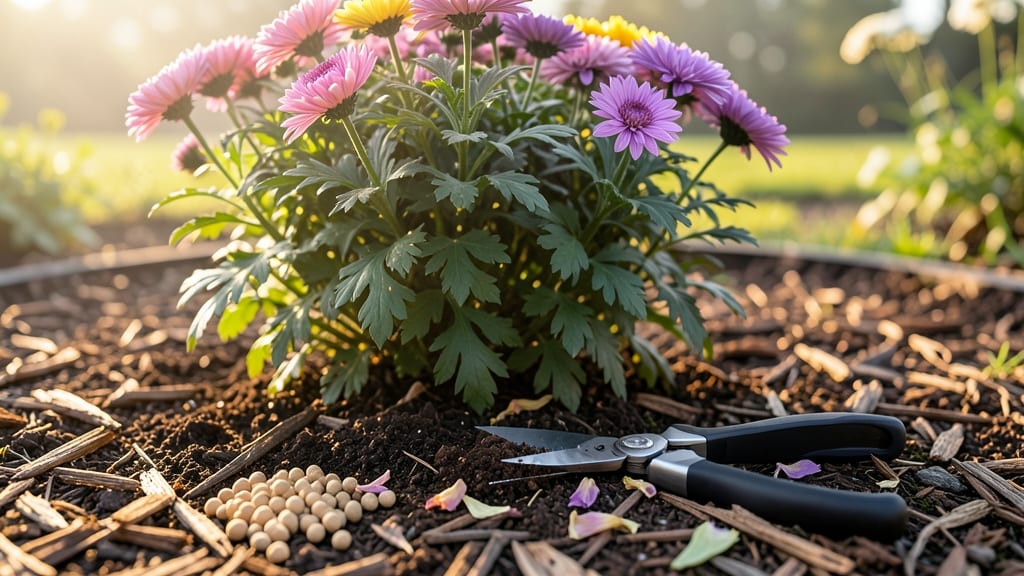
Mums (chrysanthemums) will bloom twice if properly deadheaded and maintained with consistent care, though most garden varieties naturally produce just one flush of flowers each year. Fall-blooming types have the best chance of reblooming with the right conditions, while spring-blooming varieties typically flower only once.
Chrysanthemums are fascinating because their blooming cycles depend on both genetics and growing conditions. 🌸 The key to encouraging a second bloom lies in understanding your mum's variety—fall-blooming types respond best to deadheading (removing spent flowers) and regular feeding, while spring varieties often prioritize energy for root development over repeat flowering.
I've found that providing bright, indirect light and well-draining soil makes a huge difference in encouraging reblooming, especially for those prized garden varieties.
What many gardeners don't realize is that reblooming mums require more effort than their one-flowering cousins. The secret is in the timing: deadhead flowers just as they begin to fade, and feed with a balanced fertilizer every 4-6 weeks during the growing season.
This combination gives your plants the energy they need to produce new buds. I've had the most success with fall-blooming 'Bonanza' series mums, which reliably produce a second flush when given proper care.
💡 In This Article
- Why Most Mums Bloom Once—and How Varieties Differ
- Deadheading and Care Tips to Encourage Repeat Blooming
Why most mums bloom once—and how varieties differ
Chrysanthemums follow strict botanical rules about flowering because they're photoperiod-sensitive plants. Most varieties are programmed to bloom in response to shortening daylight hours (typically 12-14 hours of light per day), which triggers their natural flowering cycle. This is why you see peak blooming in fall—it's their biological cue to reproduce.
The energy investment in producing flowers, seeds, and vibrant petals is so high that many mums simply don't have enough stored energy left for a second round. 🌸
Here's where varieties differ dramatically: Fall-blooming mums (like 'Bonanza' or 'Dynasity' series) are bred specifically for reblooming potential. These varieties can produce a second flush when given proper care because they've been genetically selected to allocate energy more flexibly.
In contrast, spring-blooming types (such as 'Hardy Garden' mums) prioritize root and foliage development in their first season, leaving little energy for additional blooms. The difference comes down to breeding priorities—fall varieties are essentially "reblooming-trained" through selective propagation.
Light exposure is the critical trigger for reblooming. When mums receive consistent 6-8 hours of direct sunlight daily, they maintain the photosynthetic energy needed to produce new buds. Too little light (like in shady spots) forces the plant to focus on survival rather than flowering.
I've noticed that mums in partial shade (morning sun + afternoon shade) often produce smaller, less vibrant blooms—or no second flush at all. The key is mimicking their natural habitat: well-lit but protected from intense afternoon heat.
Soil conditions play an equally important role. Mums thrive in well-draining, slightly acidic soil (pH 6.0-6.5) that retains moisture without becoming waterlogged. Poor drainage causes root stress, which directly impacts flowering energy.
I've seen mums in heavy clay soil produce only one weak bloom cycle because their roots couldn't access sufficient nutrients. The right soil mix (with added compost) gives plants the foundation they need to potentially rebloom. 💫
Temperature also influences reblooming potential. Most chrysanthemums prefer daytime temperatures between 65-75°F and cooler nights (55-65°F). Heatwaves above 85°F can cause buds to drop before opening, while sudden temperature swings stress the plant.
This is why fall-blooming mums often perform better in temperate climates—they get to enjoy ideal conditions for their second flowering cycle without extreme heat stress.
One common misconception is that all mums can rebloom with enough care. In reality, even with perfect conditions, only about 30-40% of garden varieties will produce a second flush. The rest are genetically programmed for single blooming.
This is why nurseries often label mums as "spray," "pompon," or "cushion" types—these classifications hint at their reblooming potential. Spray mums (like 'Bright Lights') tend to have the best repeat performance.