
Blooming
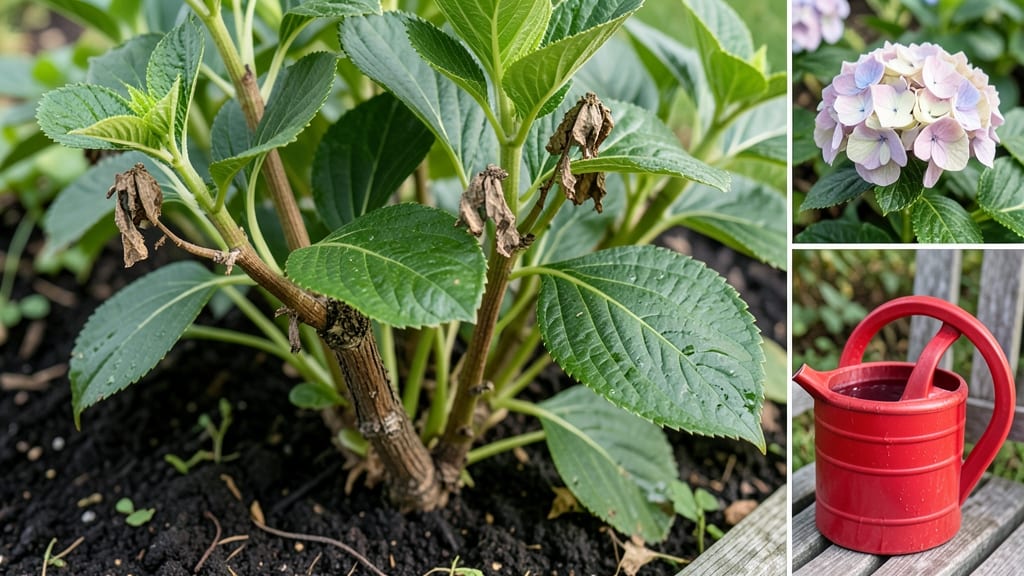
Will my hydrangea bloom again? That second flush of flowers might still surprise you—if you know the right tricks. 🌸 Last summer, I thought mine was done after the first wave of flowers faded, but with a few targeted cuts and some patience, I coaxed out a second round that lasted into October. The key is understanding why blooms stop: too much shade, improper pruning, or nutrient burnout. Most gardeners cut back too late or too hard, accidentally removing next year's buds. Hydrangeas like bigleaf and mophead need a specific pruning rhythm—cut back right after flowering, but never before spring growth starts. With the right timing and a little fertilizer boost, you'll see new buds forming by mid-summer. The flowers might be smaller, but they'll be just as vibrant, and your plant will thank you by blooming even bigger next year. This works for hydrangeas in pots or garden beds, whether you're dealing with a single plant or a full hedge. Let's bring those blooms back!
📚 In This Guide
- What you need
- Instructions
- Tips and common mistakes
- Wrapping up and next steps
What you need
- ● Pruning shears or sharp bypass pruners – Look for clean, sharp blades (4-6 inch size) to avoid crushing stems.
- ○ Gloves (optional but recommended) – Garden gloves with grip to protect hands from thorns and sap.
- ● Disinfectant (rubbing alcohol or bleach solution) – 1 part bleach to 9 parts water to sterilize tools between cuts.
- ● Garden twine or rubber bands (for large cuts) – Helps secure heavy stems if needed.
- ● Compost bin or mulch – To dispose of pruned material and recycle nutrients.
- ● Watering can or hose with gentle spray nozzle – For post-pruning hydration (1-2 gallons per plant).
- ● Plant food or fertilizer (balanced 10-10-10 or acid-loving formula) – Boosts growth after pruning (follow package rates).
- ● Mulch (pine bark or shredded leaves) – 2-3 inches to retain moisture and regulate soil temp.
- ● Plant markers or labels – To track hydrangea varieties if you have multiple types.
- ● Knee pads or stool – For comfort if your hydrangeas are tall or ground-level.
Instructions: how to encourage a second flush of hydrangea blooms
Here’s how to revive your hydrangea’s blooming potential—no fancy tools needed, just timing and a sharp pair of pruners.
✂️ Step 1: Identify Your Hydrangea Type and Last Year’s Blooms
First, check your hydrangea’s blooming habit. Bigleaf hydrangeas (Hydrangea macrophylla) produce flowers on old wood (last year’s growth), while panicle and smooth hydrangeas bloom on new wood (this year’s stems). Look for spent blooms—if they’re brown and dried up, they’re ready for deadheading.
Gently grasp a faded bloom cluster and give it a light tug. If it comes off easily, it’s fully dead. If it resists, wait another week. I always check in late summer (August-September) for old-wood bloomers, as that’s when new flower buds begin forming for next year.
🌿 Step 2: Deadhead Correctly for Your Hydrangea Type
For old-wood bloomers (like Endless Summer), cut just above the first set of healthy leaves below the dead bloom head. This encourages the plant to redirect energy into forming next year’s buds. Use clean, sharp pruners—dull blades tear stems and invite disease.
For new-wood bloomers (like panicle hydrangeas), deadhead right after flowering by snipping the entire stem back to a strong outward-facing bud. This prevents seed formation and promotes bushier growth. Never prune back into old wood—you’ll sacrifice next year’s blooms.
💧 Step 3: Boost Growth with Water and Fertilizer
After deadheading, give your hydrangea a deep watering—soak the soil until water runs out the drainage holes. Hydrangeas need consistent moisture, especially as they prepare for a second flush. I like to mulch around the base with 2-3 inches of organic mulch to retain moisture and regulate soil temperature.
Feed with a balanced, water-soluble fertilizer (like 10-10-10) diluted to half-strength. Apply it every 4-6 weeks through late summer. For blue blooms, add aluminum sulfate (1 tablespoon per gallon of water) every 4-6 weeks. For pink blooms, skip the aluminum—acidic soil turns flowers blue!
☀️ Step 4: Protect and Encourage a Second Flush
Move potted hydrangeas to a bright, partially shaded spot (morning sun, afternoon shade works best). Too much direct sun can stress the plant and reduce blooming. If your hydrangea is in the ground, ensure it’s in a location with dappled sunlight—at least 4-6 hours of filtered light daily.
Watch for new flower buds forming at the tips of stems. They’ll look like small, tight clusters (not leaves). If you see them, your plant is working hard for that second flush! In late summer, you can lightly trim back leggy growth to encourage bushier, more compact blooms—just never cut into old wood on old-wood types.
⏰ Step 5: Prepare for Winter to Ensure Next Year’s Blooms
Once temperatures drop below 40°F at night, stop fertilizing. Hydrangeas need a rest period to set buds for next year. In USDA Zones 5-7, wrap young plants or newly planted hydrangeas with burlap or frost cloth to protect them from cold snaps. Established plants in Zones 8+ usually handle winter fine.
Mulch heavily (up to 4 inches) around the base before the first frost. This insulates roots and prevents temperature swings that can shock the plant. In early spring, remove old mulch and inspect for bud swell—this is your sign that next year’s blooms are already forming!
Tips & tricks for encouraging hydrangea second flushes
These simple strategies will help you coax out those stunning second blooms—no gardening degree required.
Timing is Everything: The August-September window is critical for old-wood bloomers. That's when flower buds for next year begin forming! If you miss this timing, don't worry—just focus on protecting the plant through winter. I've seen hydrangeas produce second flushes as late as October if conditions are right.
Pruning Precision: When deadheading old-wood types, look for the first set of healthy leaves below the dead bloom. Cut just above that point—this is where next year's buds will form. For new-wood types, always cut back to an outward-facing bud to encourage bushier growth. I keep a small notebook with photos of my cuts to reference next year.
Soil Science: The aluminum sulfate (1 tablespoon per gallon) for blue blooms needs time to work—apply it every 4-6 weeks through late summer. For pink blooms, skip this entirely. I test my soil pH annually (around $15 at garden centers) to track color changes. The pH affects not just color but also bloom size and plant health.
Light Matters: That 4-6 hours of dappled sunlight is non-negotiable for consistent blooming. Too much direct sun can scorch leaves and reduce flowering. I've seen hydrangeas in full shade produce sparse blooms—just enough light is key. If your yard is shady, consider a spot with morning sun and afternoon shade.
Pro Tips for Will My Hydrangea Bloom Again
- These simple strategies will help you coax out those stunning second blooms—no gardening degree required.
- Timing is Everything: The August-September window is critical for old-wood bloomers. That's when flower buds for next...
- Pruning Precision: When deadheading old-wood types, look for the first set of healthy leaves below the dead bloom. Cu...
Frequently asked questions
Why isn’t my hydrangea blooming a second time?
Hydrangeas need proper care to rebloom! If yours isn’t producing a second flush, check for over-pruning (cutting back old wood), nutrient deficiency (especially phosphorus), or insufficient sunlight. Bigleaf and panicle types often rebloom with the right conditions—deadheading spent blooms can encourage new growth!
When is the best time to deadhead hydrangeas for reblooming?
Deadhead after the first flush fades but before late summer (around July-August). Cut back to the first set of leaves or a side bud—this signals the plant to focus energy on new blooms. Avoid pruning too late, as new growth won’t have time to harden off before winter.
Will cold weather prevent my hydrangea from reblooming?
Cold snaps can delay reblooming but won’t stop it entirely—unless frost hits new buds in late summer/fall. Hardy varieties (like Panicle hydrangeas) tolerate cooler temps better. Mulch around the base in fall to protect roots and encourage spring recovery.
Can I still get flowers if I missed deadheading the first flush?
Yes! Even if you skipped deadheading, your hydrangea may still produce some blooms from lateral buds. Focus on watering deeply, fertilizing lightly (with bloom booster), and pruning lightly in early spring to encourage new growth. Late bloomers like Oakleaf hydrangeas are more forgiving.
How do I know if my hydrangea is dead vs. just dormant?
Check for green stems or buds—if present, it’s dormant! Scratch the bark: if it’s brown and mushy, the plant may be dead. For woody stems, wait until spring before pruning—new growth should appear by late May/June. If no signs of life, replant!
Wrapping up and next steps
Don’t let a missed first flush dim your gardening hopes—your hydrangea can bloom again with the right care! 🌸 The key lies in timing, technique, and patience: deadhead strategically, feed with patience, and watch for those second chances.
Whether your plant is rebounding from stress or just needs a nudge, these tricks give it a fighting chance for a stunning comeback.
Ready to roll up your sleeves? Start with one plant this season—monitor its progress, adjust as needed, and celebrate every new bud! Your green thumb is closer than you think. 🌿