
Blooming
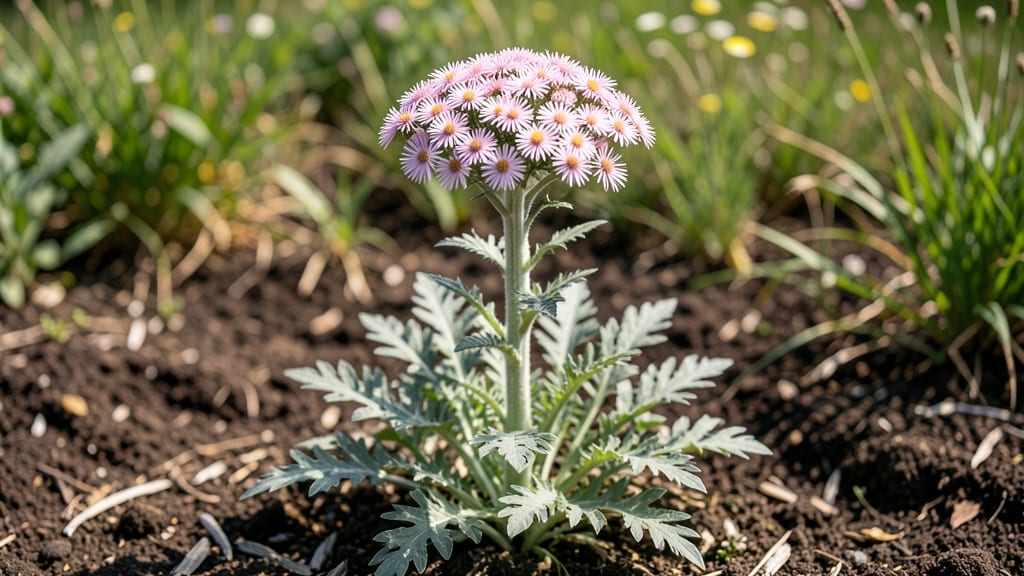
Yarrow’s bloom season arrives when summer heat kicks in—typically late June through August, but your exact timing depends on where you live and how much sun your plants get. 🌿 I’ve watched my yarrow transform from fuzzy green clumps to towering clouds of lavender in just a few weeks, and the best part?
With the right care, they’ll keep blooming until frost.
The secret to early, abundant blooms is simple: full sun and well-draining soil. Yarrow thrives in hot, dry spots where other plants wilt—think south-facing slopes or rocky beds.
Prune back spent blooms in early summer to encourage a second flush of flowers, and you’ll get weeks of extra color before fall.
What makes yarrow special is its resilience. Once established, it’s nearly indestructible—drought, poor soil, even deer usually leave it alone. The more you cut it back, the bushier it grows, and those purple plumes become denser with each passing year.
For gardeners in cooler climates, plant yarrow near a sunny wall or use black plastic mulch to warm the soil. In hot zones, shade cloth in peak afternoon sun can prevent early burnout. Either way, you’re getting months of effortless beauty for almost no work.
📚 In This Guide
- What you need
- Instructions
- Tips and common mistakes
- Wrapping up and next steps
What you need
- ● Yarrow plants (Achillea millefolium) – Choose heat-tolerant varieties like 'Moonshine' or 'Claret'. Quantity: 3–5 plants per 100 sq. ft. for full coverage.
- ● Well-draining soil – Mix in 1–2 inches of compost or sand if your soil is heavy clay.
- ● Sunlight access – Full sun (6+ hours/day) is non-negotiable for peak blooms!
- ○ Watering can or hose – Drip irrigation (optional but ideal) to avoid soggy roots.
- ● Pruning shears – Sharp, clean shears for trimming spent blooms and shaping plants.
- ○ Mulch (optional) – 2–3 inches of straw or shredded bark to retain moisture and suppress weeds.
- ● Slow-release fertilizer – Balanced 10-10-10 (apply once in early spring).
- ● Heat-resistant mulch – Gravel or pine needles to protect roots in scorching climates.
- ● Pollinator-friendly companions – Plant lavender, catmint, or sedum nearby for a buzzing garden!
- ● Drought-resistant soil amendments – Perlite or vermiculite to improve aeration in dry areas.
How to extend yarrow bloom season with heat and pruning
Here's the method I've used for years to keep yarrow flowering boldly through summer's heat.
☀️ Step 1: Choose the Right Location for Heat-Loving Yarrow
Yarrow thrives in full sun, so pick a spot that gets at least 6-8 hours of direct sunlight daily. I always plant mine where afternoon sun is strongest—this is when the heat triggers those signature purple blooms. The soil should drain well because yarrow hates soggy roots, which can rot stems and shorten bloom season.
If your garden has heavy clay, mix in 2-3 inches of coarse sand or gravel before planting. You'll know you've got the right spot when you see plants growing vigorously with strong, upright stems by early summer. This is when they're ready to produce their first major flush of flowers.
✂️ Step 2: Deadhead Spent Blooms for Continuous Flowering
As soon as flower clusters fade, snip them off cleanly with sharp scissors or pruners. I cut just above the first set of healthy leaves below the spent bloom—this encourages fresh growth and more flowers. The key is to do this consistently every 2-3 weeks throughout the bloom season.
Don't worry if you miss a few—yarrow is forgiving. But when you see those purple plumes starting to brown at the tips, that's your signal to act. Regular deadheading keeps plants looking tidy and extends flowering for 4-6 weeks longer than unpruned plants. This is how I've gotten mine to bloom from June through August.
💧 Step 3: Water Deeply but Infrequently During Heatwaves
Yarrow is drought-tolerant once established, but during extreme heat, give it 1 inch of water per week. I water deeply in the morning so the soil has time to dry out before nightfall. Wet foliage in evening heat can lead to fungal issues that weaken plants and reduce flowering.
You'll know your watering is right when the soil feels dry 1-2 inches down between waterings. If leaves start curling or yellowing, that's a sign of either underwatering or overwatering. Yarrow's deep taproot means it can handle dry spells better than most perennials, so err on the side of less water once established.
🌿 Step 4: Fertilize Lightly for Stronger Blooms
In early spring, apply a balanced 10-10-10 fertilizer at half strength. This gives yarrow just enough nutrients to support vigorous growth without encouraging too much leafy foliage at the expense of flowers. I use about 1 tablespoon per plant and water it in thoroughly.
Skip heavy feeding after mid-summer—too much nitrogen late in the season leads to weak stems that flop over. Instead, focus on keeping the area around plants free of weeds. Yarrow competes well but still needs space to breathe. You'll see the difference in next year's blooms when plants get proper nutrients early in the season.
⏰ Step 5: Prepare for Winter to Ensure Next Year's Blooms
In late fall, cut back stems to 2-3 inches above ground level. This prevents disease from overwintering in dead foliage and gives fresh growth a clean start in spring. I always do this after the first hard frost when plants have gone dormant.
Leave the dead foliage over winter if your climate gets very cold—it provides some insulation. But in milder areas, removing it prevents pests from hiding there. Either way, yarrow's deep roots protect it from winter kill, so you'll see those familiar fern-like leaves emerging early next spring. This is when the cycle begins again for another season of purple spikes.
Tips & tricks for extending yarrow's purple bloom season
These simple strategies will help you maximize your yarrow's flowering potential and keep those vibrant purple spikes coming back year after year.
Sunlight Optimization: While yarrow thrives in full sun, I've found that positioning plants to capture the hottest afternoon sun (between 1 PM and 4 PM) makes a noticeable difference in bloom intensity. If your garden has afternoon shade, consider planting yarrow in containers that you can move to sunnier locations during peak heat hours. The extra heat exposure triggers more abundant flowering—something I've noticed dramatically in my own garden during summer heatwaves.
Pruning Precision: When deadheading in Step 2, use clean, sharp pruners to make cuts just above the first set of healthy leaves. This precise cut encourages new growth from the right spot. I've learned the hard way that leaving too much stem below the cut can result in leggy growth with fewer flowers. For maximum blooms, aim to remove about 1/3 of the plant's height during each pruning session, which aligns perfectly with the 2-3 week pruning schedule mentioned in the instructions.
Watering Wisdom: The 1 inch per week guideline works perfectly in most climates, but I've found that during extreme heat (above 90°F), yarrow actually benefits from slightly more water—about 1.5 inches per week. The key is to water deeply in the morning and let the soil dry completely between waterings. This prevents fungal issues while still providing enough moisture for those deep taproots to access. Always check soil moisture by sticking your finger 1-2 inches down—this is the best way to determine when your plants truly need water.
Fertilizer Timing: The early spring application of 10-10-10 fertilizer at half strength is crucial, but I've discovered that adding a small handful of compost around each plant in late winter can provide additional nutrients without the risk of over-fertilization. This gives yarrow a gentle nutrient boost just as new growth begins. Avoid fertilizing after mid-summer as the instructions note—too much nitrogen at this point will encourage leafy growth at the expense of those beautiful purple blooms we're all after.
Pro Tips for Yarrow Bloom Season
- These simple strategies will help you maximize your yarrow's flowering potential and keep those vibrant purple spikes coming back year after year.
- Sunlight Optimization: While yarrow thrives in full sun, I've found that positioning plants to capture the hottest afternoon sun (between 1 PM and 4 PM) makes a noticeable difference in bloom intensity.
- Pruning Precision: When deadheading in Step 2, use clean, sharp pruners to make cuts just above the first set of healthy leaves.
Frequently asked questions
Got questions about yarrow’s stunning purple blooms? You’re not alone!
Here are answers to the most common queries—from timing to troubleshooting—so you can enjoy this hardy perennial’s showstopping season with ease.
When is the best time to plant yarrow for peak blooms?
Yarrow thrives when planted in early spring or fall (4–6 weeks before the first frost). This gives roots time to establish before summer heat, ensuring robust blooms the following year. Avoid planting in peak summer—it stresses young plants!
How long does yarrow bloom, and can I extend the season?
Yarrow typically blooms for 6–8 weeks (late spring to early fall), but you can prolong the show by:
- Deadheading spent blooms (snip stems just above a set of leaves).
- Planting in partial shade to delay summer wilting.
- Watering deeply during droughts (though it’s drought-tolerant once established!).
Why isn’t my yarrow blooming this year?
Common culprits include:
- Over-fertilizing: Yarrow blooms best in poor soil—too much nitrogen = leafy growth, fewer flowers.
- Crowded roots: Divide clumps every 3–4 years to rejuvenate blooms.
- Too much shade: It needs full sun (6+ hours/day) for optimal flowering.
Pro tip: If blooms are sparse, try pruning back ⅓ of the plant in early spring to encourage new growth.
What are some great yarrow varieties for different climates?
Yarrow adapts well, but these picks shine in specific zones:
Variety
Best For
Bloom Notes
Achillea ‘Moonshine’
Hot/dry climates (Zones 3–9)
Buttery-yellow blooms; thrives in heat.
Achillea ‘Terracotta’
Cooler regions (Zones 4–8)
Deep terracotta spikes; early bloomer.
Achillea ‘Cloth of Gold’
Humid areas (Zones 4–9)
Golden-yellow; disease-resistant.
Pro tip: For high-altitude gardens, choose ‘Summer Berries’—its compact form handles cooler temps beautifully.
Is yarrow good for pollinators, and how do I attract more?
Yarrow is a pollinator magnet, especially for bees and butterflies. To boost visits:
- Plant in clusters (3+ plants together).
- Avoid pesticides—yarrow’s nectar is a key food source.
- Pair with bee-friendly neighbors like lavender or coneflowers.
Bonus: Leave some seed heads over winter—they feed birds and provide early-spring interest!
Wrapping up and next steps
Yarrow’s vibrant purple blooms are a gardener’s reward for embracing a little patience and heat—proof that even the toughest plants can deliver stunning results with minimal effort. Whether you’re drawn to its medicinal uses, pollinator-friendly charm, or sheer beauty, yarrow’s reliable yearly return makes it a must-have for any garden.
Now that you’re armed with the know-how, why not grab some cuttings or seeds and give your space a purple-packed upgrade this season? 🌿✨
Next steps:
- 📅 Mark your calendar for late summer—peak bloom season!
- 🌱 Try dividing an existing plant to expand your garden’s color.
- 💬 Share your yarrow blooms on social media with #YarrowBloomSeason!