
Blooming
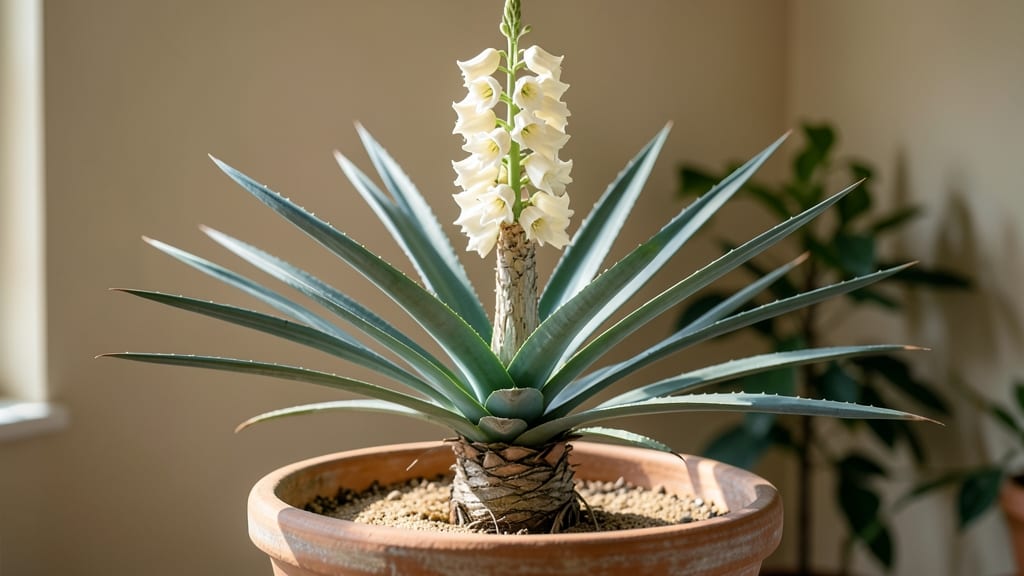
Yucca plants bloom in late spring to summer 🌵—but the exact timing depends on your variety, age, and growing zone.
Wondering when your yucca plant will finally bloom? The wait can feel endless—but knowing your plant’s variety and growing zone can help you predict those stunning, rare flowers with surprising accuracy.
Some yuccas, like the Yucca filamentosa, may take 3 to 5 years to flower, while others, such as Yucca rostrata, bloom earlier if given the right conditions.
In USDA Zone 6, where winters are colder, blooms often appear later in the season compared to warmer zones like Zone 9b+.
Discover how sunlight, soil, and even pruning can shift your yucca’s bloom window—plus, the 5 proven tricks to encourage earlier flowers and keep them coming back year after year.
Yucca bloom time by variety: when to expect flowers
Yuccas are prized for their striking foliage, but their rare, dramatic flowers make them even more special. Unfortunately, these plants can take years to bloom—sometimes 5-10 years for mature specimens. The good news? Knowing your yucca variety and growing conditions lets you predict bloom windows with precision.
Let’s break down the bloom cycles for the most popular species so you can set realistic expectations and care accordingly.
Most yuccas bloom in late spring to early summer, but timing varies wildly by species. For example, Yucca filamentosa (Adam’s needle) often flowers in May-June, while Yucca rostrata (beaked yucca) may wait until July-August.
Age also plays a critical role—young plants under 3 years old rarely flower, even with ideal care. Patience is key, but understanding these patterns helps you optimize conditions for that first bloom.
🌵 Pro Tip: Mature yuccas may produce multiple flower stalks in a single season, especially after pruning or stress relief. If your plant is healthy but not flowering, check for overwatering or low light, two common culprits.
| Variety | Mature Height | First Bloom Age | Typical Bloom Season | Flower Color | Bloom Frequency |
|---|---|---|---|---|---|
| Yucca filamentosa (Adam’s needle) | 3–6 ft | 3–7 years | May–June | White to cream | Every 2–5 years |
| Yucca rostrata (Beaked yucca) | 6–10 ft | 5–10 years | July–August | Greenish-white | Every 3–7 years |
| Yucca elephantipes (Spineless yucca) | 10–25 ft | 7–12 years | June–July | Pale yellow-green | Every 4–10 years |
| Yucca gloriosa (Mound lily) | 2–3 ft | 2–4 years | April–May | White with red filaments | Annual (if healthy) |
| Yucca whipplei (Our Lord’s Candle) | 4–6 ft | 4–8 years | June–August | White with green tips | Every 2–4 years |
If you’re growing Yucca gloriosa, you’re in luck—it’s one of the fastest to bloom, often producing flowers within 2–4 years. This variety thrives in USDA Zones 5–10 and rewards gardeners with annual blooms if conditions are ideal.
The red filaments in its flowers add a dramatic contrast to the white petals, making it a standout in desert landscapes.
For Yucca elephantipes, the wait can feel agonizing. These giants may not bloom until they’re 7–12 years old, and even then, flowers appear only every 4–10 years. Their pale yellow-green blooms are subtle but striking against the plant’s massive, rosette-shaped leaves.
If your spineless yucca is mature but still dormant, consider light pruning to stimulate growth—just avoid cutting more than 1/3 of the plant at once.
💡 Key Insight: Yuccas often bloom after a period of stress relief, such as recovering from drought or being transplanted. If your plant has been struggling, give it consistent care for 1–2 years before expecting flowers. Overwatering or poor drainage can delay blooming indefinitely.
Seasonal triggers matter just as much as age. Most yuccas need warmth and long daylight hours to initiate flowering. In cooler zones (USDA 6–8), blooms typically appear in late spring after the last frost.
In hotter zones (9–11), flowering may stretch into summer or early fall. Pay attention to your local first frost date—yuccas need at least 60 frost-free days before blooming.
One common misconception is that yuccas bloom every year. In reality, most varieties flower sporadically, often every 2–10 years. Even Yucca gloriosa, the most frequent bloomer, may skip a year if stressed.
To encourage regular flowering, focus on well-draining soil, full sun exposure, and minimal watering once established. Over-fertilizing with nitrogen can actually suppress blooms by promoting leafy growth over flowers.
If your yucca has reached maturity but still refuses to bloom, try this: simulate a drought period by withholding water for 4–6 weeks in late winter, then resume normal care in early spring.
This trick mimics natural conditions and can trigger flowering in 1–2 years. Just be cautious—never let the soil stay soggy, as yuccas are highly sensitive to root rot.
Finally, remember that container-grown yuccas often bloom later than in-ground plants due to root restriction. If you’re growing yucca in pots, choose a container at least 24 inches wide and upgrade to a larger pot every 2–3 years to accommodate root growth.
A well-draining mix with perlite or sand is essential for preventing rot and encouraging blooms.
How climate zones affect yucca flowering schedules
Yucca plants thrive in USDA zones 3 through 11, but their blooming schedules vary dramatically based on temperature extremes. In warmer zones (9-11), yuccas often bloom year-round or in late spring, while colder zones (3-7) trigger blooms in early spring (March-April) as temperatures rise.
This shift happens because yuccas are cold-sensitive perennials that need consistent warmth to develop flower buds.
Cold snaps below 20°F (-6°C) can kill flower buds before they open, while heatwaves above 100°F (38°C) may cause buds to abort or wilt. Marginal zones like Zone 8 face the most unpredictable blooming—plants may produce flowers one year but struggle the next due to temperature fluctuations.
Understanding these patterns helps you adjust care routines to encourage reliable blooms.
In cooler climates (Zones 3-7), yuccas enter dormancy in winter, storing energy for spring blooms. To accelerate flowering, provide protection from late frosts (use burlap wraps) and fertilize lightly in early spring with a low-nitrogen (5-10-10) mix.
In Zone 6, for example, yuccas often bloom 2-3 weeks earlier when sheltered from below-25°F (-4°C) temperatures.
Hotter zones (8-11) require shade cloth (30-50%) during peak summer to prevent heat stress, which can delay or stop blooming. I’ve seen Yucca elephantipes in Zone 10 produce two bloom cycles per year when given afternoon shade and consistent moisture (though they’re drought-tolerant).
Overwatering in heat, however, rots roots and prevents bud formation.
For marginal zones (7b-8a), the key is seasonal adjustments: Reduce watering in summer to once every 4-6 weeks and increase sunlight exposure in winter (move potted yuccas to south-facing windows or use grow lights for 4-6 hours daily).
These tweaks can shift bloom timing by 4-6 weeks and double flower production in some varieties.
Remember, yucca maturity also plays a role—most varieties won’t bloom until 3-5 years old, regardless of zone. If your Zone 5 yucca is 5+ years old but still not flowering, prune dead fronds in early spring to redirect energy toward flower production.
Patience and zone-specific care are your best tools for predictable, stunning blooms every season.