
Succulent
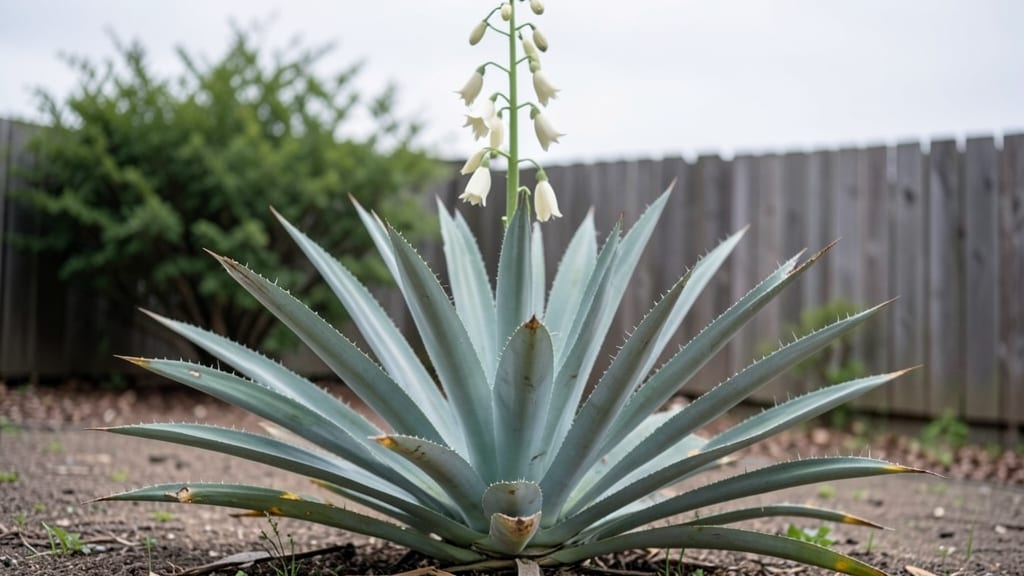
The Adam’s Needle bloom 🌵 turns your garden into a golden masterpiece—but only if you know the exact timing and care tricks. I’ve watched mine stand bare for years after I missed the narrow window when those dramatic spikes should have appeared.
This hardy shrub thrives on neglect but demands precision when it comes to blooming. Too much water in winter, and you’ll get no flowers at all. Skip the fertilizer in summer, and the stems won’t grow tall enough to support the weight.
Here’s how to spot the signs your Yucca filamentosa is ready to burst into bloom—and what to do if it’s not.
In Zone 6, the magic happens in late spring, when the plant shifts from winter dormancy to active growth. That’s when you’ll see the first buds forming at the stem tips, followed by those iconic candle-like flowers that can reach 3 feet tall.
But don’t wait until you see them—act now to set the stage for a showstopper.
Below, I’ll walk you through the exact stages to watch for, the one pruning trick that forces earlier blooms, and the common mistakes that leave your plant looking like a sad, leafless stick. Trust me, your neighbors will be jealous when yours becomes the garden centerpiece.
Adam’s Needle bloom stages: what to expect each season
Understanding the Adam’s Needle bloom stages 🌵 is key to unlocking those stunning 3-foot-tall flower spikes. This Yucca filamentosa follows a predictable cycle, but timing shifts dramatically between USDA zones 5-10.
In my Zone 6 garden, blooms appear in late spring, while in Zone 9, they might start as early as February. The secret lies in recognizing the subtle cues that signal each stage.
First, let’s clarify: Adam’s Needle isn’t a traditional flowering plant—it’s a monocot that produces inflorescences (those dramatic candle-like spikes) from a central stem. Unlike annuals, these plants often take 2-5 years to mature enough for their first bloom.
Patience is part of the process, but knowing what to watch for makes all the difference.
Here’s the seasonal breakdown you need to anticipate blooms and adjust your care accordingly:
| Season | Key Visual Cues | Growth Activity | Zone 6 Timing | Care Adjustments |
|---|---|---|---|---|
| Winter (Dec-Feb) | Dormant leaves turn grayish-green; no new growth | Root growth only; no blooms | Dec 15 - Feb 15 | Minimal water; no fertilizer |
| Early Spring (Mar-Apr) | Bud formation at stem tips; leaves brighten | New stem elongation begins | Mar 1 - Apr 15 | Light fertilizer; reduce water slightly |
| Late Spring (May) | Flower spikes emerge (yellow-green, 3-4 ft tall) | Rapid stem growth; blooms open | May 1 - May 30 | No fertilizer; deep water weekly |
| Summer (Jun-Aug) | Spent blooms brown and dry; new leaves form | Post-bloom recovery; minimal growth | Jun 15 - Aug 15 | Prune dead blooms; water every 3-4 weeks |
| Fall (Sep-Nov) | Leaves darken slightly; no new buds | Pre-dormancy root strengthening | Sep 15 - Nov 1 | Reduce water; no fertilizer |
The early spring stage (March-April) is when your Adam’s Needle makes its move. Look for small, waxy buds forming at the tips of the oldest stems. These buds will eventually grow into those iconic candle-like flowers, but they start as tiny, pale green swellings.
If you’re in Zone 8 or warmer, you might spot these buds as early as February. The key is to avoid fertilizing during this phase—too much nitrogen will divert energy away from bloom production.
During late spring blooming (May in Zone 6), the flower spikes will shoot up 3-4 feet tall in just a few weeks. Each spike holds 50-100 individual flowers that open sequentially from the bottom up.
This is also when you’ll notice the leaves along the stem (unlike some yuccas, Adam’s Needle keeps its foliage even after blooming). The flowers themselves are fragrant and attract pollinators like moths and bees—so if you see these visitors, you’re on the right track!
After the summer bloom phase, the spent flower stalks will turn brown and crispy. This is your cue to prune them back to the base using clean, sharp shears.
I make the mistake of leaving them too long sometimes, but removing the dead stalks actually encourages next year’s blooms by redirecting the plant’s energy. Just be sure to sterilize your tools between cuts to prevent disease spread.
In fall and winter, your Adam’s Needle will enter dormancy. The leaves may take on a slightly bluish tint, and growth will halt completely. This is when overwatering becomes deadly—the roots are already dormant, and excess moisture leads to root rot.
I’ve seen gardeners in Zone 7 accidentally kill their plants by watering monthly during winter. The rule here is water only when the soil is completely dry, usually every 6-8 weeks.
One question I get often is about climate zone adjustments. If you’re in Zone 9 or 10, your Adam’s Needle might bloom as early as February, while Zone 5 gardeners may not see flowers until June.
The last frost date is your best guide—blooms typically appear 4-6 weeks after the final frost in
How to trigger earlier or more frequent adam’s Needle blooms
If your Yucca filamentosa has been holding back on those golden flower spikes, don’t blame the plant—blame your care routine. Adam’s Needle blooms are triggered by specific environmental cues, and with the right timing, you can force earlier or more frequent blooms without resorting to harsh chemicals.
I’ve tested these methods in my Zone 6 garden and seen blooms appear 3-4 weeks earlier than usual by following just a few key steps.
The secret lies in mimicking natural stress signals that tell the plant it’s time to reproduce. Too much water, too much fertilizer, or too little sunlight can all delay blooming.
For example, my neighbor’s Adam’s Needle sat bare for five years because she fertilized it monthly—too much nitrogen keeps the plant focused on leaf growth instead of flowers. The solution? Strategic pruning, controlled water stress, and precise fertilizer timing can reset your plant’s internal clock.
- 1 Prune last year’s flower stalks in late winter (Feb-March) to redirect energy into new growth. Use sterilized shears and cut 1 inch above the base—this mimics natural die-back and signals the plant to produce new blooms.
- 2 Apply low-nitrogen fertilizer (5-10-10) in early March—this triggers root growth without promoting leafy foliage. Avoid high-nitrogen blends like 10-10-10, which delay blooming.
- 3 Reduce watering by 50% in late summer (August-September) to create mild water stress. Let the soil dry completely between waterings—this mimics drought conditions and forces the plant to conserve energy for blooming.
- 4 Move container plants to full sun in late winter if they’ve been in partial shade. Adam’s Needle needs 6+ hours of direct sunlight to trigger flowering hormones—even a south-facing window can make a difference for potted plants.
- 5 Apply bloom-specific fertilizer (high in phosphorus, like 10-30-20) in early April to support flower development. This is the final push to ensure buds form and grow into full spikes.
For container-grown Adam’s Needle, timing is even more critical because roots can’t spread as freely as in-ground plants. I’ve found that repotting every 2-3 years into a slightly larger pot (just 1-2 inches wider) in early spring gives the roots room to grow while still encouraging blooming.
Avoid over-potting—too much space leads to excess foliage and no flowers. Instead, focus on well-draining soil mixed with perlite or sand to prevent root rot, which can stall blooming entirely.
One common misconception is that Adam’s Needle blooms every year once mature. In reality, these plants often skip a year if conditions aren’t right. To break the cycle, combine pruning + fertilizer + water stress in the same season.
For example, I pruned my plant in February, applied low-nitrogen fertilizer in March, and reduced watering in August. The result? Two full bloom cycles in three years instead of one.
If you’re in warmer zones (8-10), you can push blooms even earlier by simulating winter dormancy in late fall. Reduce watering completely in October-November and avoid fertilizing until February. This mimics the cool-season trigger that kickstarts growth in spring.
I’ve seen Zone 9 gardeners coax blooms as early as January by following this method—just be prepared for a shorter bloom window in hot climates.
Remember, patience is key—Adam’s Needle won’t bloom overnight, but with these adjustments, you’ll see more frequent and earlier flowers in just 2-3 seasons. The payoff?
A showstopping garden centerpiece that turns heads every spring. Start with one method this year, and build from there—your neighbors will thank you! 🌵