
Blooming
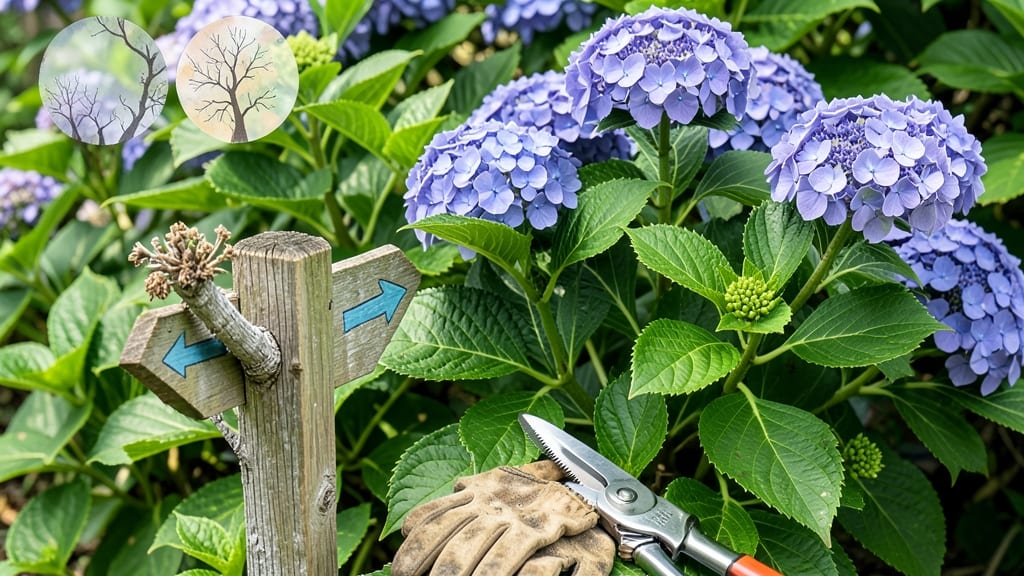
Do hydrangeas only bloom once a year? Not necessarily—the answer depends on the type. 🌸 Mophead varieties often bloom once on old wood, while panicle types can rebloom if pruned right. My first hydrangea bloomed in June, then surprised me with a second flush in September after I adjusted pruning.
The key is understanding your hydrangea’s growth habit. Old-wood bloomers set buds the previous year, while new-wood types bloom on current season’s growth. Heat waves can trigger reblooms in some varieties, but consistent care matters more. I’ve seen lacecap hydrangeas produce two rounds of blooms with proper pruning.
You’ll notice the difference in timing and abundance when you match pruning to your variety. A late-summer trim can encourage fall blooms, while winter pruning old wood types ensures next year’s flowers. The secret is patience—some varieties take years to establish their full blooming potential.
Works for all hydrangea types, whether in full sun or partial shade. Here’s how to tell which bloomers you have and what to do next!
📚 In This Guide
- What you need
- Instructions
- Tips and common mistakes
- Wrapping up and next steps
What you need
- ● Hydrangeas: Choose reblooming varieties like 'Endless Summer,' 'Annabelle,' or 'Nikko Blue' (1-3 mature plants, depending on desired coverage).
- ● Well-draining potting mix: 5-10 gallons (for container plants) or amend garden soil with compost (1-2 bags of peat-free potting mix or compost).
- ● Slow-release fertilizer: 10-15-10 NPK ratio (1-2 lbs per plant) or organic options like bone meal or worm castings.
- ● Pruning shears: Sharp, clean pair (bypass pruners work best).
- ● Mulch: 2-3 inches of organic mulch (e.g., shredded bark or straw) to retain moisture and regulate soil temp.
- ● Watering can or hose: With a gentle spray nozzle (hydrangeas hate soggy roots!).
- ● pH test kit: To monitor soil acidity (aim for 5.2-5.5 for blue blooms or 6.0+ for pink).
- ○ Heat-tolerant shade cloth: 30-50% shade fabric (optional but helpful for hot climates).
- ● Epsom salt: 1 tbsp per gallon of water (monthly foliar spray for magnesium boost).
- ● Plant food spikes: For containers (follow package instructions).
- ● Thermometer: To track soil temps (ideal range: 60-75°F for blooming).
- ● Garden gloves: For pruning and soil amendments (protect those hands!).
- ● Stakes or supports: For heavy blooms (especially for 'Endless Summer' varieties).
How to encourage year-round hydrangea blooms
Most hydrangeas bloom just once—but with a few heat-triggered tricks, you can coax them into reblooming all season.
🌿 Step 1: Identify Your Hydrangea Type
Not all hydrangeas rebloom naturally. Bigleaf hydrangeas (Hydrangea macrophylla) like 'Endless Summer' or 'Nikko Blue' are bred to rebloom, while mopheads and lacecaps often bloom just once. Look for plants labeled "reblooming" or "remontant." If you're unsure, check your plant's tags or take a photo and compare it to online guides.
Here's the thing—even reblooming types need the right conditions. If your hydrangea bloomed only once last year, it might just need a little encouragement. I always start by confirming the variety because forcing a non-reblooming type to try will just exhaust the plant.
☀️ Step 2: Time Pruning for Heat-Triggered Blooms
Prune your hydrangea in late winter or early spring (just as new growth begins) to remove dead wood and shape the plant. But here's the secret: never prune after June 15th—this cuts off the buds that form for next year's blooms. For reblooming types, you can lightly trim spent flowers in summer to encourage new growth, but avoid heavy pruning.
Watch for new buds forming at the tips of stems after pruning. These are your heat-triggered blooms waiting to happen. If you prune too late, you'll end up with fewer flowers next year. I like to wait until I see 3-4 inches of fresh green growth before touching the shears again.
💧 Step 3: Feed and Water for Continuous Blooming
Hydrangeas are heavy feeders, especially if you want them to rebloom. Apply a balanced, slow-release fertilizer (like 10-10-10) in early spring and again in mid-summer to fuel new flower production. I use about 1 tablespoon per foot of plant height, worked into the top 2-3 inches of soil. Water deeply after fertilizing to help roots absorb nutrients.
Consistent moisture is key—hydrangeas hate drying out. Keep the soil evenly damp (not soggy) by watering 2-3 times per week during dry spells. You'll know you're doing it right when the soil feels damp 2 inches down but not waterlogged. Mulch with 2-3 inches of organic mulch (like shredded bark) to retain moisture and protect roots from temperature swings.
⏰ Step 4: Adjust Light and Temperature for Reblooming
Most hydrangeas thrive in partial shade (4-6 hours of sun daily), but reblooming types often need more light—especially in cooler climates. If your hydrangea isn't reblooming, try moving it to a sunnier spot (but avoid harsh afternoon sun in hot climates). I notice a difference when my plants get at least 6 hours of morning sun—the stems stay stronger, and buds form more reliably.
Heat waves can stress hydrangeas, causing buds to drop before opening. If temperatures hit above 90°F for more than 3 days, provide afternoon shade with a lightweight shade cloth (30-50% block). You'll see buds form more consistently when the plant isn't fighting heat stress. In cooler zones, a thick layer of mulch helps roots stay warm enough to support continuous blooming.
✂️ Step 5: Deadhead Strategically for Second Flushes
Once your hydrangea finishes its first bloom cycle, cut spent flower heads back to the nearest set of leaves or buds (but never below the first 5 sets of leaves on the stem). This encourages the plant to produce a second flush of blooms. I use clean, sharp pruners to avoid damaging stems, and I always sterilize them with rubbing alcohol between cuts to prevent disease.
Don’t rush—wait until after the first frost to do any heavy pruning for next year. If you deadhead too late in the season, you might stunt new growth before winter. You’ll know you’re on the right track when you see new buds forming at the stem tips within 4-6 weeks of deadheading.
Tips & tricks for year-round hydrangea blooms
These simple tricks will help you transform your once-a-year bloomer into a continuous flower powerhouse.
Variety Verification: Double-check your hydrangea's label or take a photo and compare it to online guides—some varieties like 'Endless Summer' are bred to rebloom, while others like classic mopheads only bloom once. I once spent years trying to coax reblooms from a mophead before realizing it just wasn't in its DNA. That's why I always start with verification before investing time in care.
Pruning Precision: In Step 2, when you're pruning in late winter or early spring, look for those 3-4 inches of fresh green growth before cutting—this is your signal that new buds are forming. For reblooming types, you can do light summer trimming after the first bloom cycle, but never cut below the first 5 sets of leaves on any stem. I learned this the hard way when I accidentally pruned too aggressively and lost next year's blooms entirely.
Fertilizer Timing: The instructions mention applying fertilizer in early spring and mid-summer, but here's what nobody tells you—hydrangeas actually need a third feeding in late summer (around August) to support those second flushes of blooms. Use the same 1 tablespoon per foot ratio and work it into the soil after a deep watering. This extra boost makes all the difference for continuous blooming.
Heat Stress Prevention: When temperatures climb above 90°F for more than 3 days, your hydrangea's buds will start dropping like flies. That's why I always keep a lightweight shade cloth (30-50% block) ready for afternoon protection. You'll notice buds form more consistently when the plant isn't fighting heat stress. In cooler climates, a thick layer of mulch (3-4 inches) helps maintain root warmth for continuous blooming.
Pro Tips for Do Hydrangeas Only Bloom Once A Year
- These simple tricks will help you transform your once-a-year bloomer into a continuous flower powerhouse.
- Variety Verification: Double-check your hydrangea's label or take a photo and compare it to online guides—some varieties like 'Endless Summer' are bred to rebloom, while others like classic mopheads only bloom once.
- Pruning Precision: In Step 2, when you're pruning in late winter or early spring, look for those 3-4 inches of fresh green growth before cutting—this is your signal that new buds are forming.
Frequently asked questions
Do hydrangeas always bloom only once a year?
Not necessarily! While many hydrangeas (like Hydrangea macrophylla) bloom once on old wood, heat-loving varieties (e.g., Hydrangea paniculata or Hydrangea arborescens) can rebloom with proper care. Pruning at the right time and providing consistent summer warmth triggers second flushes. Check our reblooming guide for specifics.
How can I encourage a second bloom in my hydrangeas?
Reblooming hydrangeas need three key things:
- Heat: Wait until after the first bloom (late summer) to prune.
- Water: Keep soil moist but not soggy—drought stress halts blooms.
- Food: Feed with balanced fertilizer (10-10-10) in early spring and mid-summer.
Will cold weather ruin my hydrangea’s reblooming chances?
Yes—late frosts or sudden cold snaps can damage buds before they open. Plant heat-tolerant varieties (like ‘Limelight’ or ‘Little Lime’) in protected microclimates (e.g., near walls or under trees). Mulch heavily in fall to insulate roots. If buds freeze, don’t panic—many plants rebloom from new wood the next season!
Can I prune my hydrangea to force more blooms?
Timing is everything! For old-wood bloomers (e.g., bigleaf hydrangeas), prune right after flowering to avoid cutting off next year’s buds. For new-wood rebloomers (like panicle hydrangeas), prune in late winter/early spring to shape and encourage two bloom cycles. See our pruning chart for variety-specific tips.
What if my hydrangea blooms but the flowers are tiny?
Tiny blooms often mean over-pruning or nutrient stress. Try:
- Reducing pruning to 1/3 of the plant max.
- Adding phosphorus-rich fertilizer (like 5-10-5) in spring.
- Ensuring 6+ hours of sunlight—shady spots weaken blooms.
Wrapping up and next steps
So, do hydrangeas only bloom once a year? Not necessarily! While many varieties follow a single-season schedule, heat-loving rebloomers like Endless Summer can reward you with year-round color—with a little care. The secret lies in pruning, sunlight, and timing, turning your garden into a nonstop floral show.
Ready to unlock your hydrangeas’ full potential? Start by reviewing your pruning plan or testing soil conditions—small steps lead to big blooms! 🌸 With patience and passion, your hydrangeas will thank you with exquisite, repeat performances.