
Blooming
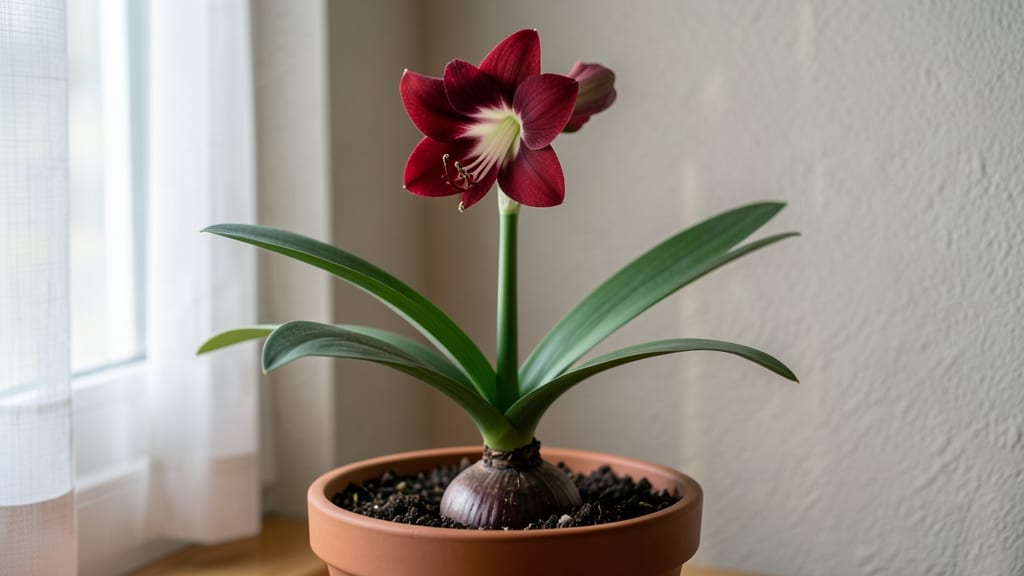
Your amaryllis bloom time can be as dramatic as the flowers themselves—turning a dormant bulb into a stunning winter centerpiece in just 6-8 weeks when forced properly. Struggling to get your amaryllis to bloom on schedule?
With the right forced-flowering techniques, you can trigger show-stopping blooms in just 6-8 weeks—even if your plant has been dormant for months. Here’s how to hack your amaryllis’ natural cycle for guaranteed results.
Timing is everything: plant bulbs in September-November for winter blooms, then expose them to cool temperatures and bright, indirect light to kickstart growth. Too much heat or darkness delays blooms, while the right conditions can shave weeks off the wait.
Below, I’ll walk you through the exact schedule—from chilling to sunlight exposure—to ensure your amaryllis bursts into color right when you want it, plus how to troubleshoot if it’s running late.
How to force amaryllis blooms in 6-8 weeks: step-by-step timing guide
Amaryllis bulbs are natural showstoppers, but their bloom timing depends entirely on how you manipulate their dormancy cycle. With precise control over light exposure, temperature shifts, and watering schedules, you can force blooms in just 6-8 weeks—perfect for holiday displays or early winter cheer.
The key is mimicking their natural fall-to-spring transition indoors.
Most amaryllis bulbs enter dormancy after blooming, storing energy for their next cycle. To break dormancy and trigger blooms, you’ll need a two-phase approach: a cooling period (to simulate winter) followed by a warm, bright phase (to kickstart growth).
This guide covers the exact timing and conditions for both indoor and outdoor forcing methods, so you can enjoy vibrant blooms right when you want them.
Step-by-Step Amaryllis Forcing Timeline
- 1 Start Chilling (Week 1-4): Place bulbs in a cool, dark spot (50-60°F) for 8-10 weeks. Use a refrigerator (not freezer) or basement. Water sparingly—just enough to keep soil slightly moist.
- 2 Warm Up (Week 5): Move bulbs to a warm room (70-75°F). Place in bright, indirect light (east or west window). Water lightly to encourage root growth—soil should feel damp but not soggy.
- 3 Bloom Trigger (Week 6-7): Increase light to 6+ hours of bright indirect light daily. Fertilize lightly with a balanced 10-10-10 fertilizer to support flower bud formation. Avoid direct sunlight to prevent leaf scorch.
- 4 Bloom Phase (Week 8): Your amaryllis should produce a 6-12 inch stalk with buds. Rotate the pot quarter-turn daily for even light exposure. Reduce water slightly once buds form to prevent premature drop.
- 5 Post-Bloom Care: After flowers fade, cut the stalk at the base. Continue watering and fertilizing to encourage leaf growth for next year’s blooms. Store bulb in dormancy (dry soil, cool spot) after leaves yellow.
⏰ Total Time: 8 weeks from chilling to bloom
For outdoor forcing, plant bulbs in well-draining soil in early fall (September-October) in USDA Zone 7-10. They’ll naturally chill outdoors, then bloom in late winter.
Mulch heavily to protect roots from freezing temps. In colder zones, dig up bulbs after foliage dies back, dry them, and store until forcing time.
Light is critical—insufficient light delays blooming or results in weak stalks. If your amaryllis isn’t blooming after 8 weeks, it may need more light (try a grow light) or a longer chill period (extend to 10-12 weeks).
Overwatering during the chill phase can rot bulbs, so always use pots with drainage holes.
Pro tip: Use a thermometer to monitor temperatures during chilling. Bulbs need consistent cool temps—fluctuations can confuse their dormancy cycle. If your home stays above 65°F, a cool basement or garage is ideal.
For faster results, some gardeners use a seedling mat under pots during the warm-up phase to simulate spring soil warmth.
Once your amaryllis blooms, enjoy them for 7-10 days before flowers fade. With the right timing, you can have holiday-ready blooms by December or extend your winter garden with vibrant colors. The secret? Patience and precision—your amaryllis will reward you with dramatic, trumpet-shaped blooms that turn heads.
🌷 For trouble-free blooms, start your chilling phase in late summer (August-September) to align with natural cycles. This gives you a December-January bloom window, perfect for festive decorations or early spring cheer.
Common mistakes that delay amaryllis bloom time (and how to fix them)
Amaryllis plants are known for their dramatic winter blooms, but many gardeners struggle to get them to flower on schedule. If your amaryllis isn’t blooming when expected, the issue likely stems from common care mistakes.
The good news? Most problems have simple fixes that can reset your plant’s natural cycle and trigger those stunning blooms in 6-8 weeks. Let’s tackle the top culprits first.
First, overwatering is the #1 enemy of amaryllis blooms. These bulbs store water, and soggy soil leads to root rot, which starves the plant of energy needed for flowering. Then, poor lighting—especially dim indoor conditions—tricks the plant into thinking it’s not time to bloom.
Finally, skipping the dormancy period or using the wrong soil mix can delay or prevent blooms entirely.
⚠️ WARNING: These 4 Mistakes Are Killing Your Amaryllis Blooms
⚠️ Overwatering
Soggy soil suffocates roots, preventing energy from reaching flower buds. Fix: Let soil dry completely between waterings (stick your finger 2 inches deep—if dry, water).
⚠️ Skipping Dormancy
Amaryllis needs 8-10 weeks of rest after blooming. Fix: Reduce watering, move to 60°F (15°C), and stop fertilizing until buds form.
⚠️ Poor Light
Dim conditions delay blooming. Fix: Place in bright indirect light (east/west window) or use a grow light 6 hours/day.
⚠️ Wrong Soil
Heavy or compacted soil blocks drainage. Fix: Use a mix of 50% potting soil + 50% perlite or cactus mix.
If your amaryllis has been skipping blooms for years, it might need a full reset. Start by replanting the bulb in fresh, well-draining soil and giving it a 6-week dormancy period (even if it’s not summer).
During this time, place the pot in a cool, dark spot and water only enough to prevent shrinking. After 6 weeks, move it to bright light and resume normal care.
Another hidden issue? Pot-bound roots can choke the bulb and delay flowering. If your amaryllis has been in the same pot for 3+ years, repot it into a container just 1-2 inches larger to encourage new growth.
Use a pot with drainage holes and avoid over-potting—too much space leads to waterlogged soil and weak stems.
For stubborn non-bloomers, try a forced-flowering trick: Place the potted bulb in a dark closet at 60°F (15°C) for 6-8 weeks, then move it to bright light. This mimics the natural winter chill period that triggers blooms.
If you’re in a warm climate, you can even force blooms in summer by chilling the bulb in the fridge (unpotted, in a paper bag with ventilation).
Finally, don’t forget that amaryllis bulbs are sensitive to temperature swings. Keep them in a spot where temps stay between 65-75°F (18-24°C) during the day and 60-65°F (15-18°C) at night.
Drafts from windows or vents can stress the plant and delay blooming. With these fixes, you’ll see buds forming in 6-8 weeks—just in time for the holidays! 🌷