
Blooming
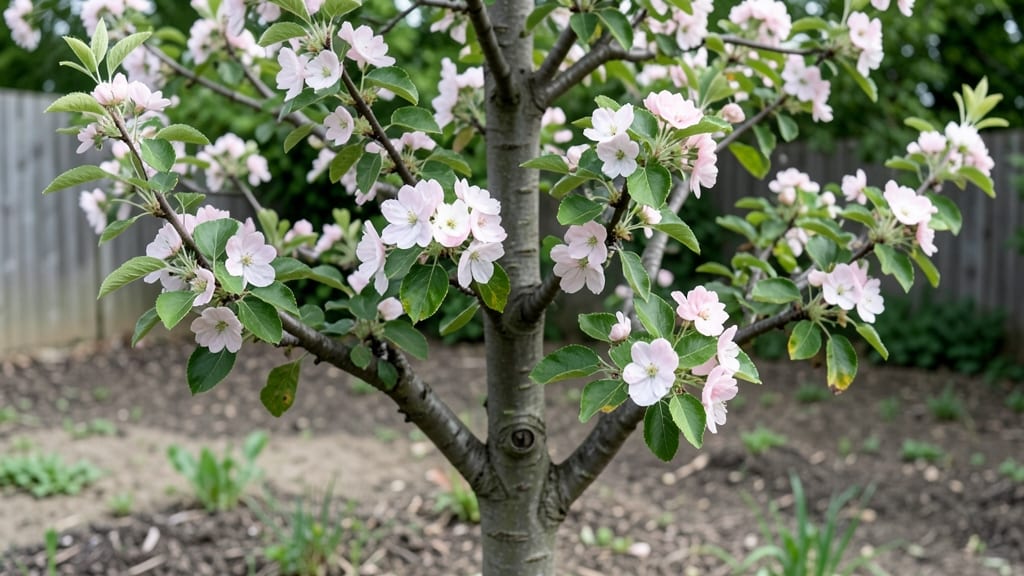
Apple trees blooming 🍎 marks the moment your orchard’s future harvest hangs in the balance—and getting the timing right for post-bloom pruning could double your fruit yield next season.
Picture this: your tree is heavy with pink blossoms, bees buzz happily, and you’re dreaming of bushels of apples. But if you prune too early, you risk stunting next year’s flowers.
Too late, and you miss the 4-6 week window after petal fall when the tree is primed for shaping without stress.
This is where most gardeners trip up. The USDA Zone 6a rule of thumb? Wait until June—when the last frost has passed and fruit has set—but adjust for your region.
A late spring in the Pacific Northwest shifts that window weeks later, while Southern gardeners might prune as early as May.
Below, I’ll walk you through the exact steps to prune for a heavier harvest, including how to spot the signs your tree is ready, what tools to use, and the one pruning mistake that kills fruit production faster than anything else.
The critical blooming timeline: when to prune apple trees for heavy fruit
Apple trees transform your garden into a springtime spectacle when their pink and white blossoms appear—but those flowers are nature’s promise of next year’s harvest. Pruning at the wrong time can sacrifice fruit production or even invite disease.
The key lies in understanding the 4-6 week window after petal fall, when your tree shifts from blooming to fruit set. This is the sweet spot for shaping your tree without disrupting its reproductive cycle.
Timing matters because apple trees form next year’s flower buds during the summer and early fall. If you prune too early, you risk removing potential fruit-bearing wood. Prune too late, and you may stimulate late-season growth that won’t harden off before winter, leaving branches vulnerable to frost damage.
Climate plays a role too—warm regions like California may bloom earlier, while cold climates like the Midwest see delayed blooming due to frost.
Understanding your tree’s blooming phases is essential. First comes pre-bloom, when buds swell but haven’t opened. Next is full bloom, the stunning display that attracts pollinators. After petals fall, fruit set begins, and tiny apples form.
This is when you’ll want to step in with your pruners—but not before the 4-6 week mark post-bloom.
Let’s break down the 4-6 week window after petal fall—the golden period for pruning. This timing ensures your tree has completed pollination and fruit set before you make cuts. In Zone 5-7, where late frosts are common, aim for late May to early June.
For Zones 8-10, where winters are mild, prune between April and May to avoid summer heat stress on fresh cuts.
Why wait until after petal fall? Because those delicate blossoms are the tree’s energy investment for next year’s crop. Pruning too soon removes potential fruit-bearing branches, while pruning too late can stimulate late growth that won’t mature before winter.
The 4-6 week window gives your tree time to set fruit and redirect energy to healing pruning wounds before dormancy.
If you’re in a warmer climate, like Southern California or Florida, your apple tree may bloom as early as February or March. In these regions, prune by
Step-by-step pruning guide: how to shape your apple tree for maximum fruit load
Pruning your apple tree after blooms fade is the key to unlocking next year’s heavy fruit load. The right cuts now encourage airflow, sunlight penetration, and proper fruit development.
But timing and technique matter—over-prune, and you risk reduced blooms and weak branches. Let’s break down the essential steps to shape your tree for success.
Start by focusing on three critical areas: dead or diseased wood, crowded branches, and water sprouts. These steps open the canopy, reduce disease risk, and direct energy toward fruit production.
Grab your pruners, sanitize them with rubbing alcohol, and let’s get started. Remember, the goal is to balance growth and promote fruitfulness.
Avoid the common mistake of over-pruning water sprouts or ignoring suckers, as these can significantly reduce your tree’s ability to produce fruit. Another pitfall is pruning too late in the season, which can stimulate late-season growth vulnerable to frost damage.
Always prune during the dormant season or within the 4-6 week window after petal fall.
After pruning, apply a wound dressing to larger cuts to protect against pests and diseases. This step is especially important for mature apple trees with thicker branches.
Keep an eye on your tree over the next few weeks—you’ll notice new growth and improved airflow, setting the stage for a bountiful harvest next season.
For best results, repeat this pruning process every 1-2 years, adjusting based on your tree’s growth. The more you prune correctly, the more your apple tree will reward you with juicy, healthy fruit year after year. Happy pruning! ✂️🌳