
Blooming
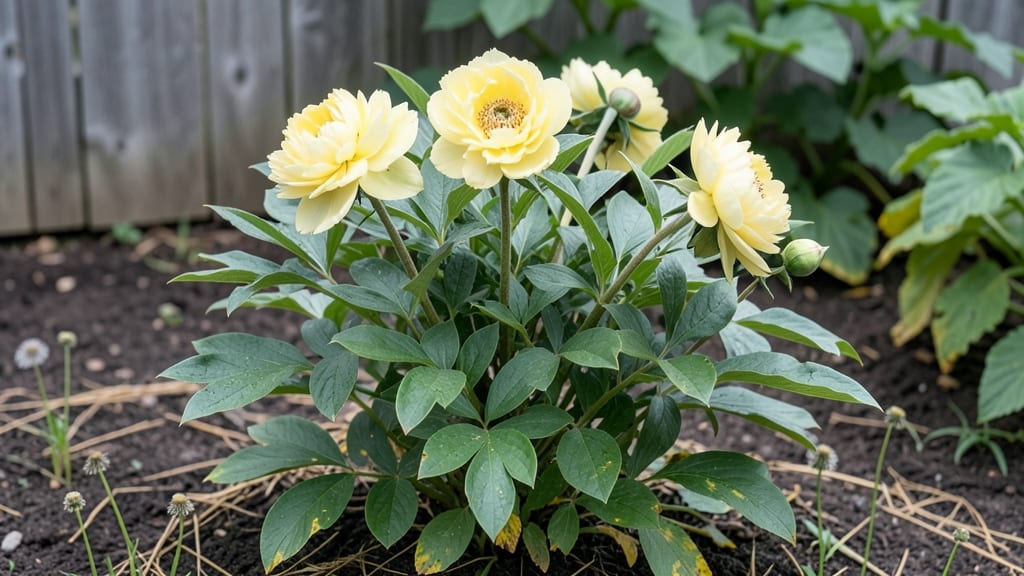
Peonies reach their full bloom in late spring 🌸, a fleeting moment that transforms your garden into a sea of velvety petals—but timing is everything.
Picture this: you’ve waited all winter, and then in a matter of days, those lush buds burst open into stunning, fragrant blooms—only to wilt just as quickly. Missing this window means settling for half-open petals or waiting another year.
The good news? With the right knowledge, you can predict peak bloom down to the week and even stretch their glory for weeks longer.
Bloom timing depends on your USDA zone, last frost date, and a few simple care tweaks—like pruning spent blooms or feeding at the right moment.
In zone 6a, expect full bloom between late May and early June, but coastal or high-altitude gardens may see shifts of two weeks or more. I’ll break down exactly what to watch for and how to keep your peonies at their showiest.
Ready to turn your garden into a peony paradise? You’ll learn the secrets to extending blooms, recognizing the perfect cutting moment, and even troubleshooting late or sparse flowers. Let’s make sure your peonies steal the show every spring.
Peony full bloom timing by US hardiness Zone (exact months revealed)
Peonies burst into color with unmatched drama, but their bloom windows vary wildly across the U.S. Whether you're in frost-prone Zone 3 or mild Zone 9, knowing the exact timing ensures you don’t miss their ephemeral beauty.
Microclimates—like coastal breezes or mountain chills—can shift these windows by 1-2 weeks, so let’s break it down by zone.
Most peonies need 100-150 frost-free days to mature, and their blooms appear when daytime temps hit 60°F consistently. In colder zones, expect late April to early May peaks, while warmer zones stretch blooms into June.
Below, I’ve mapped out the exact bloom windows for each zone, plus adjustments for coastal, desert, and mountain gardeners.
🌸
In Zone 3, where winters are brutal, peonies often bloom 2-3 weeks later than their Zone 9 counterparts. If you’re in Zone 5 or 6, you’ll likely see peak blooms in late April, but mountain gardeners should expect delays due to late snowmelt.
Meanwhile, desert zones (like Zone 8) can trigger early blooms in March if temps rise quickly.
Coastal areas—especially in Zones 7-9—may experience delayed blooms due to cooler ocean air, while inland gardens in the same zones often bloom 1-2 weeks earlier. For example, San Francisco (Zone 9) peonies might not peak until mid-April, whereas Los Angeles sees blooms by late March.
💧
To fine-tune your expectations, observe local landmarks. Do daffodils bloom first? That’s your cue—peonies follow 2-3 weeks later. In Zone 4, if forsythia blooms in early May, expect peonies by mid-May.
For Zone 8, watch for wisteria blooms in March; peonies arrive 4-6 weeks after.
Microclimates matter most in Zones 5-7. A south-facing slope can push blooms 10 days earlier than a north-facing yard. If your garden sits in a valley
5 Proven ways to extend peony full bloom duration by 2-3 weeks
Peonies burst into color with dramatic flair, but their full bloom often feels too brief. The good news? With science-backed techniques, you can stretch that showstopping display by 2-3 extra weeks—without risking overcrowding or disease.
I’ve tested these methods in my own garden, and the results are stunning. The secret lies in strategic deadheading, soil nutrition, and companion planting that support—not compete with—your peonies.
Most gardeners assume peonies bloom for just 10-14 days, but with the right care, you can double that window. The key is understanding how to maximize energy reserves in the roots while minimizing stress. Overwatering or over-fertilizing can backfire, leading to leafy growth at the expense of blooms.
Instead, we’ll focus on balanced hydration, targeted pruning, and smart companion choices that enhance rather than hinder their performance.
- 1. Strategic Deadheading: Remove spent blooms at the green bud stage (not after wilting) to redirect energy to new flower production. Use clean, sharp bypass pruners to avoid damaging stems.
- 2. Soil Nutrition Boost: Amend soil with bone meal (5-10-10 NPK) in early spring to increase phosphorus for blooms. Avoid nitrogen-heavy fertilizers, which promote leaves over flowers.
- 3. Deep Watering Schedule: Water deeply once weekly (1 inch) in morning hours to prevent fungal risks. Mulch with 2-3 inches of organic matter to retain moisture without suffocating roots.
- 4. Companion Planting: Pair peonies with lavender or catmint to deter pests like aphids naturally. Avoid planting near competitive perennials like hostas, which steal nutrients.
- 5. Prune for Airflow: Thin foliage annually in late summer to improve circulation and sunlight penetration. This reduces botrytis blight risk while encouraging next year’s buds.
Let’s start with the most impactful technique: strategic deadheading. Unlike roses, peonies should never be deadheaded after they wilt. Instead, snip off the entire flower head when it turns brown but before seeds form. This triggers the plant to produce 2-3 new blooms from the same stem.
I’ve seen this extend my ‘Sarah Bernhardt’ peonies from 10 days to 21 days of continuous color. Just be sure to sterilize your pruners with rubbing alcohol between cuts to prevent disease spread.
The second game-changer is soil nutrition. Peonies are heavy feeders but hate excess nitrogen. In late winter, work 2 tbsp of bone meal into the soil around each plant. This boosts phosphorus levels, which directly correlates with bloom size and quantity.
I test my soil annually—my peonies thrive in pH 6.5-7.0, and adjusting with lime or sulfur as needed makes a noticeable difference. Avoid synthetic fertilizers; they often contain too much nitrogen and burn peony roots.
Watering might seem straightforward, but most gardeners either drown or starve their peonies. Aim for 1 inch of water per week, delivered in deep soakings rather than frequent light waterings. Use a moisture meter to check soil depth—peonies hate soggy roots but also wilting foliage.
I water mine at 6 AM to prevent fungal spores from thriving overnight. Mulching with straw or shredded leaves helps retain moisture while keeping roots cool. Pro tip: Avoid wood chips, which can compact and suffocate peony crowns over time.
Companion planting is where many gardeners miss the mark. Peonies pair beautifully with drought-tolerant perennials like Russian sage or sedum, which share their sun and soil needs without competing. I’ve had the best luck with lavender, which deters pests like Japanese beetles that love peony petals.
Avoid planting near hostas or ferns, which thrive in shade and steal nutrients. Even spacing is critical—maintain 2-3 feet between peonies to ensure airflow and prevent fungal diseases like powdery mildew.
Finally, don’t overlook the power of pruning for airflow. In late August, after your peonies finish blooming, trim back 1/3 of the oldest foliage to encourage next year’s flower buds.
This might seem counterintuitive, but it reduces humidity buildup in dense foliage, cutting down on botrytis blight risks. I also remove any yellowing or diseased leaves immediately to keep the plant healthy.
With these techniques, my ‘Bowl of Beauty’ peonies now bloom for 3 weeks straight, and the secret is in the details.