
Blooming
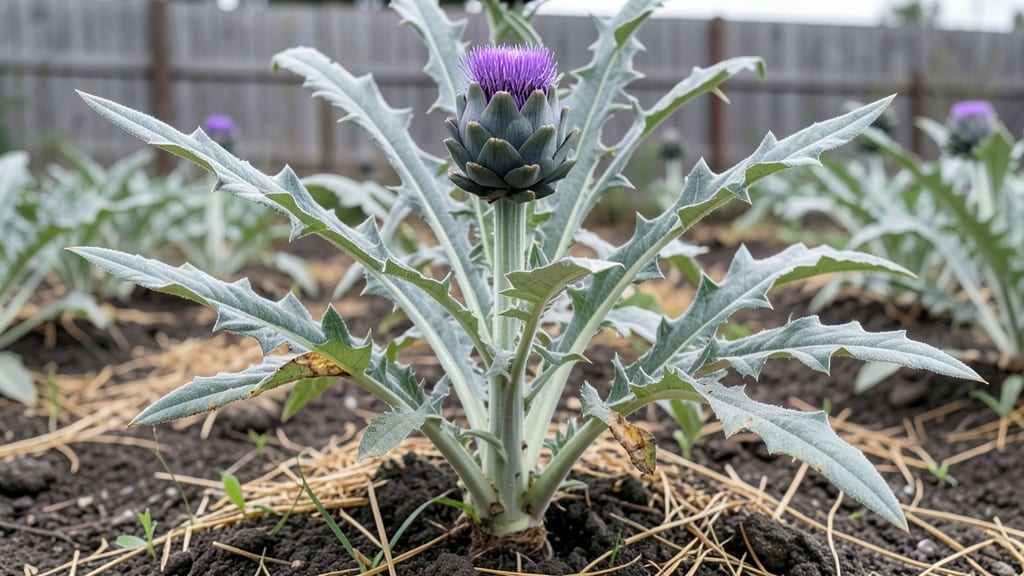
Seeing your artichoke in bloom 🌱 is more than just a pretty sight—it’s the moment you’ve been waiting for to harvest the most delicious, tender artichokes of the season.
Those vibrant purple flowers aren’t just showstoppers; they signal that your plants are ready to produce their best flavor. But here’s the catch: timing is everything. Harvest too early, and you’ll miss out on peak sweetness; wait too long, and those buds turn tough and bitter.
That’s why knowing exactly when—and how—to harvest makes all the difference.
In this guide, I’ll walk you through the key signs that your artichokes are ready for picking, how to avoid common mistakes that ruin flavor, and even how to keep your plants thriving for a second harvest. No more guessing—just perfectly timed artichokes every time.
Whether you’re a first-time grower or a seasoned gardener, these tips will help you turn those stunning blooms into a bounty of homegrown goodness that tastes better than anything you’ve ever bought at the store.
How to identify the perfect harvest window for artichoke blooms
When your artichoke plants finally burst into those stunning purple blooms, it’s a gardener’s moment of triumph—but also a critical harvest cue. The key to unlocking peak flavor lies in recognizing the exact moment when those buds are at their most tender.
Miss this window, and you risk woody texture or bitter notes that ruin the experience. Understanding the visual and physical signs of readiness ensures you’ll harvest artichokes that taste like sunshine.
Artichokes are unique because they’re harvested before they fully bloom. That means paying close attention to the bud’s size, the color of the bracts, and even the firmness of the leaves. These clues work together to tell you when the harvest window is open.
For example, a bud that’s golf-ball sized (about 1.5–2 inches) is often the sweet spot, but climate and variety can shift this slightly. Let’s break down the essential indicators so you never miss the perfect moment again.
| Indicator | Description | Action |
|---|---|---|
| Bud Size | 1.5–2 inches (golf ball size) | Harvest immediately for tenderness |
| Bract Color | Bright, vibrant green | Avoid buds with brown or yellowing tips |
| Firmness | Tightly closed with no soft spots | Squeeze gently—it should feel solid |
| Leaf Wraps | Outer leaves still tightly wrapped | Remove any loose or damaged leaves |
| Climate Zone | Cooler zones: harvest earlier; warmer zones: wait slightly longer | Adjust by 1–2 days based on local temps |
The bud size is your first clue, but it’s not the only one. A golf-ball-sized artichoke bud is typically the sweet spot for most varieties, but some heirloom types like ‘Violetto’ or ‘Romanesco’ may mature slightly larger.
Pay attention to the outer bracts—they should be a bright, even green, not dull or brown. This color tells you the bud is still firm and fresh, not drying out or toughening.
Don’t overlook the firmness test. Gently squeeze the bud—it should feel solid and unyielding, like a tightly wrapped package. If it gives slightly under pressure, it’s past its prime. The leaves wrapping the bud should also be tight and healthy.
Any yellowing or wilting means the plant is stressed, and the bud may not be at its best. These visual and tactile cues work together to give you the green light for harvest.
Climate plays a surprising role in harvest timing. In cooler zones (like USDA Zone 6a), artichokes mature faster due to shorter growing seasons, so you might harvest 1–2 weeks earlier than in warmer climates. Conversely, in hotter regions, buds can take longer to reach peak tenderness.
For example, in Zone 9 or 10, you may need to wait an extra 3–5 days before harvesting. Always check the local frost dates too—if frost is coming soon, prioritize harvesting to avoid bitter, woody buds.
Variety also matters when it comes to harvest windows. Green-globed artichokes (like ‘Green Globe’) are typically harvested when they’re 2–3 inches wide, while Romanesco types (like ‘Romanesco’) can be picked slightly larger, around 3–4 inches, because their tight, spiral bracts stay tender longer.
If you’re growing multiple varieties, keep a small harvest journal to track which types mature fastest in your garden. This way, you’ll never miss the perfect moment for each one.
One of the biggest mistakes I see is harvesting artichokes after the flower opens. Once that purple bloom appears, the bud is already past its prime—it’s tough, fibrous, and often bitter. The goal is to cut just before the flower unfurls, when the bud is still tightly closed.
This might sound tricky, but with practice, you’ll develop an eye for it. Start by harvesting a few buds early to test their flavor, and adjust your timing based on taste. Sweetness peaks just before the flower opens, so trust your senses!
Timing your harvest isn’t
Step-by-step guide to harvesting artichokes without damaging the plant
Now that you’ve identified the perfect artichoke in bloom ready for harvest, the next step is cutting it properly to preserve flavor and plant health. A clean, precise cut prevents damage to the plant and encourages more buds to form.
But how you harvest matters just as much as when you do it. Using the wrong tools or technique can stress your plant, leading to fewer artichokes later in the season.
Let’s walk through the exact steps I use to harvest artichokes without harming my plants—and how to spot signs of stress if you’ve gone too far.
First, gather your harvesting tools. You don’t need anything fancy—a sharp pair of pruning shears or a clean kitchen knife works perfectly. Avoid dull tools, as they can crush the stem and invite disease.
I also keep a small spray bottle of water and neem oil on hand to disinfect tools between cuts, preventing the spread of fungal spores. If you’re harvesting multiple artichokes, wear gloves to protect your hands from the sharp bracts and any potential irritants.
The right tools make all the difference in a smooth, damage-free harvest.
- Step 1: Choose the Right Tool
Use sharp pruning shears or a clean knife to make a precise cut. - Step 2: Locate the Stem
Find the small stem where the artichoke bud attaches to the plant. - Step 3: Cut at a 45-Degree Angle
Slice about 1 inch below the bud to avoid damaging the growing point. - Step 4: Avoid the Center
Never cut into the heart of the plant—this can kill the entire stalk. - Step 5: Disinfect Tools
Wipe tools with rubbing alcohol or neem oil between cuts to prevent disease. - Step 6: Handle Gently
Support the bud with your other hand to avoid bruising.
When you’re ready to cut, focus on the stem attachment—this is where the bud connects to the plant. Make your cut about 1 inch below the base of the bud at a 45-degree angle.
This angle helps water run off the cut and reduces the risk of rot. If you cut too close to the bud, you might damage the growing point and stunt future production.
And here’s a pro tip: never cut into the center of the plant where the main stalk is located. This can be fatal to the entire stalk, leaving you with no more artichokes from that plant.
After harvesting, keep an eye on your plant for signs of stress. If the leaves wilt suddenly or turn yellow, you may have cut too aggressively or damaged the plant’s vascular system.
Overharvesting is another common mistake—never take more than one-third of the buds from a single plant at once. Artichoke plants are resilient, but they need time to recover and produce new buds. If you notice fewer blooms in subsequent weeks, you’ve likely overharvested.
To encourage continuous production, focus on selective harvesting—pick the largest, healthiest buds first and leave smaller ones to mature.
Post-harvest care is just as important as the cutting process. Once you’ve harvested your artichokes, rinse them gently under cool water to remove dirt, but avoid soaking them—this can cause the bracts to absorb too much moisture and spoil faster.
Store them in the refrigerator in a paper bag (not plastic) to retain freshness for up to 5–7 days. For long-term storage, you can blanch and freeze them, but I find they taste best when enjoyed fresh within a few days.
If you’re planning a second harvest, give your plant a light fertilizer after cutting to replenish nutrients and support new growth.
Finally, timing your harvests throughout the day matters too. Early morning is the best time to pick because the buds are cool and crisp, preserving their tenderness. Avoid harvesting in the heat of the day, as this can cause the artichokes to wilt or become tough.
If you must harvest later, do so in the late afternoon and store them in the fridge immediately. With these techniques, you’ll not only harvest the most flavorful artichokes but also keep your plants thriving for a bountiful season.