
Blooming
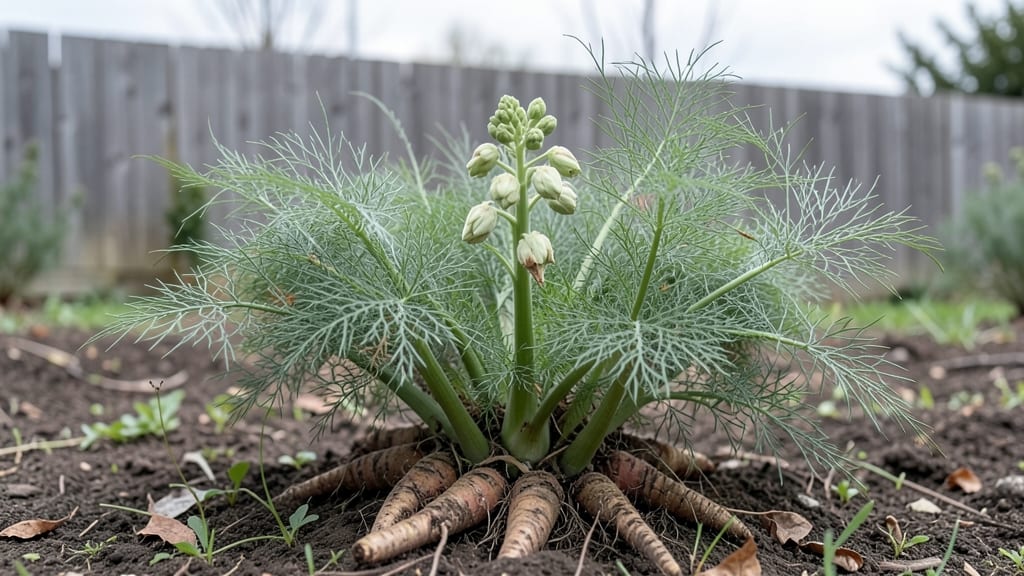
Your asparagus flower blooms signal a healthy, mature 🌱 plant—but deciding what to do with them can make or break next year’s harvest.
Seeing those delicate purple blooms pop up is exciting, but cutting them too early or leaving them unchecked can drain energy your crown needs to produce spears. The truth? Most gardeners should remove them, but there’s a sweet spot in timing that keeps your asparagus thriving without sacrificing yield.
Whether you’re a first-year grower or a seasoned gardener, understanding when and how to prune these flowers is the key to balancing short-term harvests and long-term plant health.
Below, I’ll walk you through the science behind asparagus blooms and the exact steps to prune for a bigger, better harvest next spring.
You’ll learn how to spot the difference between male and female flowers, when to cut for maximum yield, and why some gardeners actually let a few blooms go to seed. No guesswork—just proven strategies to keep your asparagus patch productive for years.
Understanding asparagus flower blooms: why they appear and what they mean
When your asparagus ferns send up those delicate purple or green flower stalks, it’s actually a sign of maturity—not a problem. These blooms mark the plant’s shift from spear production to seed development, a natural part of its life cycle.
For most gardeners, this transition means reduced harvests in the current season, but it’s essential for long-term plant health.
The biological purpose of asparagus flowers is simple: to produce seeds for the next generation. However, this process diverts energy away from crown growth and spear development, which is why many gardeners prune them off to prioritize harvests.
Understanding the difference between male and female flowers also helps you make informed decisions about when to intervene.
| Feature | Details |
|---|---|
| Purpose | Seed production for next generation |
| Energy Impact | Diverts nutrients from spears to flowers |
| Male Flowers | Produces pollen; no fruit |
| Female Flowers | Develops berries after pollination |
| Bloom Timing | Late spring to early summer (varies by climate) |
| Climate Impact | Warmer zones bloom earlier; cooler zones delay |
| Garden Action | Prune to prioritize spears or leave for seeds |
Asparagus plants typically bloom in their third or fourth year, once they’ve established a strong crown and root system. The flowers emerge from the fern fronds in late spring, often between May and June, depending on your USDA hardiness zone.
In warmer climates (Zones 8-10), blooms may appear as early as April, while cooler zones (Zones 4-6) might see them in June.
Not all flowers are created equal. Male flowers produce pollen but no seeds, while female flowers develop small, red berries after pollination.
The presence of female flowers signals the plant’s readiness to reproduce sexually, which can be beneficial for genetic diversity but may reduce spear production if left unchecked.
The growth stages of asparagus flowers follow a predictable pattern: bud formation, open bloom, and finally, seed pod development. If you allow the flowers to mature into berries, the plant will prioritize seed production over spear growth.
This is why many gardeners prune off flower stalks early in the season to preserve energy for harvestable spears.
Climate plays a critical role in bloom timing. In hot, dry summers, asparagus may bloom earlier to complete its life cycle before stress sets in. Conversely, cool, wet springs can delay blooming until late spring or early summer.
Observing your local last frost date helps predict when flowers will appear, giving you time to plan your pruning strategy.
For most home gardeners, the primary goal is to maximize spear production, not seed development. By removing flower stalks as soon as they emerge, you redirect the plant’s energy back into crown growth and spear formation.
This approach ensures a larger harvest in the current season and stronger plants for years to come.
However, if you’re growing asparagus for seed production or experimental varieties, allowing some flowers to mature into berries can be beneficial. Just be prepared for a reduced spear yield that season. Balancing these priorities is key to long-term plant health and harvest success.
One common misconception is that asparagus flowers are a sign of poor health. In reality, they’re a natural and expected part of the plant’s life cycle. The challenge is managing their impact on your harvest.
By understanding the roles of male and female flowers and the effects of climate, you can make informed decisions that align with your gardening goals.
Whether you choose to prune or preserve asparagus flowers, the key is consistency and timing. Early intervention—like cutting off flower stalks at the base—gives your plants the best chance to focus on spear production while still allowing for some natural reproduction if desired.
This balance ensures your asparagus patch remains productive and thriving for seasons to come.
When to prune asparagus flowers: step-by-step guide by bloom stage
Deciding whether to prune your asparagus flower blooms depends entirely on the plant’s current stage. Each bloom phase—from bud to open flower to seed pod—demands a different approach to balance short-term harvests and long-term yield.
If you remove flowers too early, you might reduce next year’s spears. If you wait too long, you risk overburdening the plant’s energy reserves. Let’s break down the best practices for each stage.
Understanding the energy trade-off is key. Asparagus plants allocate resources between producing spears (your harvest) and flowering (seed production). Female flowers, which develop into red berries, drain more energy than male flowers.
Your goal is to minimize unnecessary energy loss while maximizing spear growth. Here’s how to navigate each bloom stage with precision.
Pruning Asparagus Flowers by Bloom Stage
🌱 Bud Stage (Pre-Flower)
- Redirects energy to spear production
- Prevents overcrowding of flowers
- Reduces risk of seed pod formation
- May delay maturity of established plants
- Removes potential pollinators from garden
🌼 Open Flower Stage
- Stops energy drain from seed development
- Encourages fern growth for next year
- Reduces crown stress in mature plants
- Missed chance for natural seed propagation
- Can weaken plant if over-pruned
🌱 Seed Pod Stage (Post-Flower)
- Allows seed collection for new plants
- Supports genetic diversity in garden
- Natural pollinator habitat
- Drains crown energy from spears
- Can reduce next year’s yield by 20-30%
- Risk of overcrowded seedlings
Best Practice: Prune buds and open flowers for harvest, leave seed pods only if propagating new plants.
For bud-stage flowers, I recommend pruning all buds if your goal is maximizing spear production. Use clean, sharp pruning shears to cut stems at the base, just above a leaf node.
This redirects the plant’s energy toward producing more spears in the following season. If you’re growing asparagus for seed propagation, leave a few buds unpruned to develop into flowers.
When flowers open fully, the decision becomes more nuanced. For established beds, prune all open flowers to minimize energy loss. Focus on female flowers first—they’re the biggest energy drainers. Male flowers can be left if you’re okay with a slight yield reduction, as they require less energy.
Always prune in the morning to reduce stress on the plant and allow it to recover quickly.
If you spot seed pods forming, decide whether you’re prioritizing harvest yield or seed collection. For most home gardeners, removing seed pods is best—this prevents the plant from diverting resources away from spear production.
However, if you’re saving seeds for new asparagus plants, leave a few pods to mature. Harvest these seeds in late summer once they turn brown and dry.
To streamline your decisions, follow this quick flowchart:
- Bud Stage? → Prune all buds for harvest (except a few for seeds).
- Open Flowers? → Prune females first, then males if needed.
- Seed Pods? → Remove unless saving seeds.
Remember, consistency is key. Over-pruning can stress the plant, while under-pruning may lead to reduced spear quality. Monitor your asparagus bed throughout the growing season, and adjust your pruning strategy based on the plant’s response. With the right timing, you’ll enjoy a bountiful harvest for years to come! 🌱