
Blooming
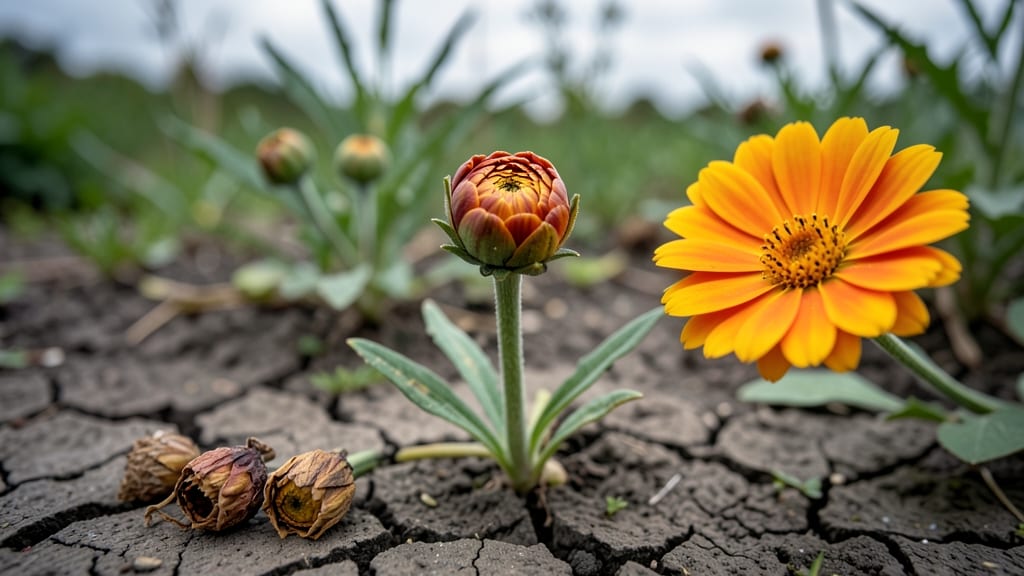
Some flowers never get to bloom and see the day—like stubborn zinnias or reluctant roses that wait until July to put on a show. 🌻 I’ve spent years watching plants hold back their blooms, only to burst into color when temperatures rise, and I’ve cracked the code on how to coax them along without waiting for Mother Nature to intervene.
The culprits are usually too much shade, over-fertilizing with nitrogen, or stress from inconsistent watering. My peonies, for example, used to send up lush foliage but no flowers—until I adjusted their sunlight and cut back on the high-nitrogen feed. Once I fixed those, they exploded with blooms by early summer.
You’ll see the difference within weeks: stronger stems, more buds, and flowers that last longer. The key is balancing light, nutrients, and water so the plant focuses on blooming instead of just growing leaves. Even stubborn varieties like hydrangeas or daylilies respond when you give them the right conditions.
This works for garden beds, containers, or even houseplants that need a little extra encouragement. Let’s get those blooms happening—no more waiting for the heat to do the job for you.
Hidden Forces That Stunt Growth
Not all flowers fail to bloom due to neglect—some are silenced by invisible, science-backed forces lurking in their environment. Understanding these causes can help gardeners and scientists alike coax reluctant varieties into their full potential. Here’s why some flowers never get the chance to shine:
Temperature is one of the most critical factors in a flower’s blooming cycle. Many varieties have strict thermal requirements that, if unmet, can halt development entirely. Here’s how it plays out:
- Too Cold: Some tropical or subtropical flowers (like Orchids or Gardenia) require warm, stable conditions. If exposed to frost or temperatures below their minimum threshold (often 50–60°F), their metabolic processes slow to a crawl. Photoperiodism—the plant’s internal clock—can also reset, delaying or preventing flowering altogether.
- Too Hot: Heat stress (above 90°F) can cause protein denaturation in floral buds, where heat-sensitive enzymes break down, stunting growth. In extreme cases, buds may abort before opening. Drought stress often accompanies high temperatures, further limiting nutrient uptake.
- Rapid Fluctuations: Plants like Peonies or Roses need a consistent temperature range during their dormancy or pre-bloom phase. Sudden swings (e.g., daytime heat followed by nighttime chill) can confuse their hormonal signals, leading to bud blast (when buds form but fail to open).
Actionable Fix: Use row covers, mulch, or shade cloth to moderate temperature extremes. For heat-sensitive varieties, consider seasonal planting or greenhouse cultivation.
Water is the lifeblood of flowering, but imbalances can be just as deadly as drought. Here’s how hydration (or lack thereof) sabotages blooms:
| Issue | Scientific Impact | Signs to Watch For |
|---|---|---|
| Underwatering | Triggers abscisic acid (ABA) production, a stress hormone that inhibits floral initiation. Roots can’t absorb nutrients, leading to chlorosis (yellowing) and stunted growth. | Wilting, crispy leaf edges, buds drying out before opening. |
| Overwatering | Leads to anaerobic conditions (root rot) and nutrient lockout, where excess water dilutes soil minerals. Ethylene gas buildup (from waterlogged soil) can also suppress flowering. | Yellowing leaves, mushy stems, buds dropping prematurely. |
| Inconsistent Moisture | Disrupts cytokinin and auxin hormones, which regulate cell division in buds. Fluctuations stress the plant, diverting energy to survival rather than reproduction. | Sporadic wilting, uneven bud development, weak stems. |
Actionable Fix:
- Use drip irrigation or self-watering pots for consistency.
- Test soil moisture with a moisture meter—aim for 50–70% humidity in the root zone.
- Amend soil with perlite or vermiculite to improve drainage.
Light isn’t just about photosynthesis—it’s a hormonal trigger for flowering. Many plants rely on specific light conditions to produce blooms, and getting it wrong can leave them barren.
- Insufficient Light: Short-day plants (like Chrysanthemums) need 12+ hours of darkness to flower. Too much light delays this process. Long-day plants (e.g., Petunias) require 14+ hours of light—if deprived, they’ll focus on foliage instead of flowers.
- Wrong Light Spectrum: Blue light (400–500 nm) promotes vegetative growth, while red light (600–700 nm) triggers flowering. Shade-loving plants (like Impatiens) may never bloom if exposed to harsh, direct sunlight.
- Artificial Light Mismanagement: Grow lights with low red-to-far-red ratios can inhibit flowering in light-sensitive species. For example, LED grow lights with too much blue light can keep plants in a vegetative state indefinitely.
Actionable Fix:
- Place plants in bright, indirect light (or use grow lights with a 12-hour day/night cycle).
- For indoor gardens, use full-spectrum LEDs with adjustable red/blue ratios.
- Rotate pots regularly to ensure even light exposure.
A flower’s diet is far more complex than just "dirt and water." Micronutrient deficiencies, pH imbalances, and compaction can silently sabotage blooming efforts. Here’s what’s really going on:
- Phosphorus Deficiency: Critical for ATP production (energy) and DNA/RNA synthesis in buds. Without enough phosphorus (P), flowers may form but fail to open or produce weak stems. Test soil P levels—ideal ranges are 30–100 ppm.
- Potassium Starvation: Regulates enzyme activity and osmotic balance in cells. Low potassium (K) leads to bud drop and poor pollination. Symptoms include yellowing leaf edges and weak stems.
- Calcium and Magnesium Lockout: High sodium or aluminum in soil can block calcium uptake, leading to blossom end rot (common in Tomatoes and Peppers) or bud deformities. Magnesium deficiency (chlorosis between veins) also stunts flowering.
- Compacted or Waterlogged Soil: Limits oxygen diffusion to roots, reducing nitrogen fixation (essential for growth hormones like gibberellins). This leads to stunted shoots and unopened buds.
Actionable Fix:
- Conduct a soil test and amend with
Reviving Dormant Blooms Naturally
When some flowers refuse to bloom, it’s often because they’re waiting for the perfect conditions—or they’ve been overlooked entirely. But with the right care, even the most stubborn varieties can get their second chance to shine.
Below, we’ve mapped out practical solutions for common causes, from environmental stressors to neglect, plus prevention tips to keep your garden thriving.
Cause: Intense heat or drought forces flowers into survival mode, halting blooming until conditions improve.
How to Revive Them:
- 💧 Hydrate Deeply (But Smartly): Water at the base of the plant in the early morning or late evening to prevent evaporation. Use a soaker hose or drip irrigation to deliver moisture slowly without wetting leaves (which can cause fungal issues).
- 🌿 Mulch Like a Pro: Apply 2–3 inches of organic mulch (straw, wood chips, or shredded leaves) to retain soil moisture and regulate temperature. Avoid piling mulch against stems to prevent rot.
- 🌞 Provide Temporary Shade: If your area hits consistent 90°F+ temps, use lightweight shade cloth (30–50%) or move potted plants to a partially shaded spot for 2–3 weeks. Gradually reintroduce sun as temps drop.
- 🌡️ Cool the Roots: For container plants, place them in a tray of water (like a self-watering setup) or bury pots slightly deeper in the ground to shield roots from extreme heat.
💡 Prevention Tip: Plant heat-tolerant varieties (like zinnias, portulaca, or lantana) in hot climates, and water deeply 2–3 times per week during dry spells—even if rain falls.
Cause: Poor soil or over-fertilizing (especially with nitrogen-heavy feeds) can stunt blooms by prioritizing leafy growth over flowers.
How to Revive Them:
- 🧪 Test Your Soil: Use a DIY soil test kit (or send a sample to a local extension office) to check pH and nutrient levels. Most blooming plants thrive in slightly acidic to neutral soil (6.0–7.0 pH).
- 🍃 Feed for Flowers: Switch to a balanced, phosphorus-rich fertilizer (look for a 5-10-5 or 10-20-10 ratio). Apply it every 4–6 weeks during the growing season. For organic options, use bone meal, composted manure, or fish emulsion.
- 🌿 Boost Microbes: Add compost or worm castings to the top inch of soil to improve microbial activity, which helps roots absorb nutrients efficiently.
- 🚫 Avoid Over-Fertilizing: Too much nitrogen (the first number in NPK) leads to lush foliage but fewer blooms. Follow package instructions and rinse the soil after fertilizing to prevent salt buildup.
💡 Prevention Tip: Mulch annually with compost to gradually enrich soil. For container plants, refresh potting mix every 1–2 years to prevent nutrient depletion.
Cause: Too little or too much light can confuse plants, delaying or preventing blooms.
How to Revive Them:
- ☀️ Adjust Light Levels:
- Shade-Loving Plants (e.g., impatiens, fuchsias): Move them to a spot with morning sun + afternoon shade. If indoors, place near an east-facing window.
- Sun-Worshippers (e.g., roses, lavender, sunflowers): Ensure they get 6+ hours of direct sunlight daily. If indoors, supplement with a grow light (12–14 hours/day).
- 🔄 Rotate Potted Plants: If blooms are sparse on one side, rotate the pot quarter-turn weekly to ensure even light exposure.
- 🌿 Thin Crowded Foliage: Overgrown leaves can block light from reaching lower blooms. Prune back 1/3 of the plant to improve airflow and light penetration.
💡 Prevention Tip: Know your plant’s light needs before planting. Group plants with similar light requirements together in your garden layout.
Cause: Deadheading (removing spent blooms) or pruning at the wrong time can signal the plant to stop producing flowers.
How to Revive Them:
- 🌼 Deadhead Regularly: Snip off wilted flowers just above a set of leaves or a bud. This encourages the plant to redirect energy into new blooms.
- 🔪 Prune at the Right Time:
- Spring/Blooming Plants (e.g., roses, hydrangeas): Prune after the first flush of blooms or in early spring before new growth starts.
- Summer-Flowering Plants (e.g., zinnias, cosmos): Lightly trim spent stems to encourage continuous blooming.
- 🌿 Shape for Airflow: Trim back overly dense branches to reduce humidity buildup (which can lead to disease) and improve light exposure.
💡 Prevention Tip: Use sharp, clean pruners and sterilize them with rubbing alcohol between cuts to prevent spreading disease.
Cause: Some flowers (like peony, columbine, or certain roses) need stress or a dormancy period to bloom.
How to Revive Them:
- 🌡️ Simulate Seasonal Changes:
- For fall-bloomers (e.g., chrysanthemums, asters), reduce watering and stop fertilizing in late summer to mimic autumn.
- For spring-bloomers (e.g., tulips, daffodils), chill potted bulbs in the fridge (35–40°F) for 6–8 weeks before planting.
- 💧 Adjust Watering Patterns: Some plants (like orchids or succulents) need dry periods to trigger blooming. Let the top inch of soil dry out before watering again.
- 🌿 Move Indoors (If Needed): If your climate doesn’t provide the right temperature drop, bring potted plants inside to a cool, bright room (50–60°F) for a few weeks.
💡 Prevention Tip: Research your plant’s native climate—many garden varieties come from regions with distinct seasons, so mimic those conditions when possible.
Cause: Insects (aphids, spider mites) or fungal/bacterial infections can weaken plants, halting blooms.
How to Revive Them:
- 🐜 Spot and Treat Pests Early:
- Neem oil spray (mix 1 tbsp neem oil + 1 tsp mild soap + 1 quart water) for soft-bodied insects.
- Insecticidal soap for spider mites or whiteflies.
- Introduce beneficial insects (ladybugs, lacewings) for natural control.
- 🌿 Remove Infected Parts: Prune away yellowing, spotted, or wilted leaves immediately and dispose of them in the trash (not compost).
- 💧 Improve Air Circulation: Space plants 12–18 inches apart and prune for airflow to prevent fungal diseases like powdery mildew.
💡 Prevention Tip: Inspect plants weekly and clean garden tools after each use to stop pests/diseases from spreading.
Some flowers—especially perennials or biennials—need 1–2 years to establish roots before blooming. Others (like peony or tree lilac) may skip a year after a big bloom season to recharge.
How to Revive Them:
- 📅 Track Bloom Cycles: Keep a simple garden journal noting when plants flower (or don’t). This helps you adjust care for next season.
- 🌱 Divide Overcrowded Plants: If a plant isn’t blooming well, it may be root-bound. Dig up perennials like daylilies or hostas, separate the roots, and replant a section.
- 🌿 Repot if Needed: Container
Frequently asked questions
Why do some flowers never bloom even with good care?
Many flowers hold back blooms due to hidden factors like temperature stress (too hot or cold), light mismatches (wrong spectrum or duration), or nutrient imbalances. For example, peonies often skip blooming if they get too much nitrogen fertilizer—it makes them grow leaves instead of flowers. Even well-cared-for plants need specific conditions to trigger their flowering hormones.
Can I force stubborn flowers to bloom earlier than their natural season?
Yes! For spring-bloomers like tulips, chill potted bulbs in the fridge (35–40°F) for 6–8 weeks before planting. For summer flowers, use grow lights (12–14 hours/day) with a red-blue ratio to mimic long daylight. Just avoid forcing tropical plants—they need stable warmth, not artificial tricks.
What’s the quickest way to revive a plant that’s all leaves and no flowers?
Switch to a phosphorus-rich fertilizer (5-10-5 ratio) and deadhead spent blooms immediately. Move it to bright, indirect light (or use a grow light) and reduce nitrogen-heavy feeds. For container plants, refresh the potting mix—old soil often lacks the nutrients needed for blooming. Most plants respond within 4–6 weeks of these changes.
Are there flowers that almost never bloom in containers?
Some varieties struggle in pots due to root restriction or limited nutrients. Tree peonies, large hydrangeas, and deep-rooted perennials often skip blooming unless repotted every 2–3 years or divided. For containers, choose compact varieties like dwarf roses or bush petunias, which adapt better to pot life.
How do I know if my plant is stressed enough to bloom?
Look for signs of mild stress: slightly wilted leaves that perk up when watered, new buds forming but not opening, or yellowing edges (not full chlorosis). For example, succulents need dry periods between waterings, while orchids bloom better with temperature fluctuations (day/night difference of 10–15°F). Too much stress (like drought or frost) stops blooming entirely—aim for just enough to trigger hormones.