
Blooming
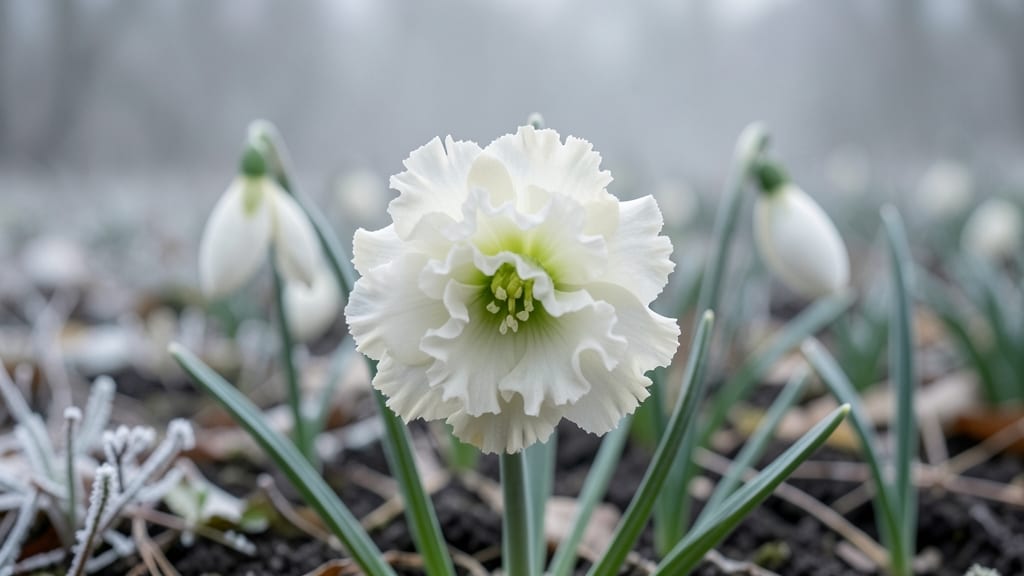
Winter gardens don’t have to be dull—these 10 cold-hardy bulbs defy frost with vibrant blooms, adding color and life when most plants sleep. Perfect for gardeners who crave year-round beauty without summer heat demands.
Snowdrops Galanthus Nivalis
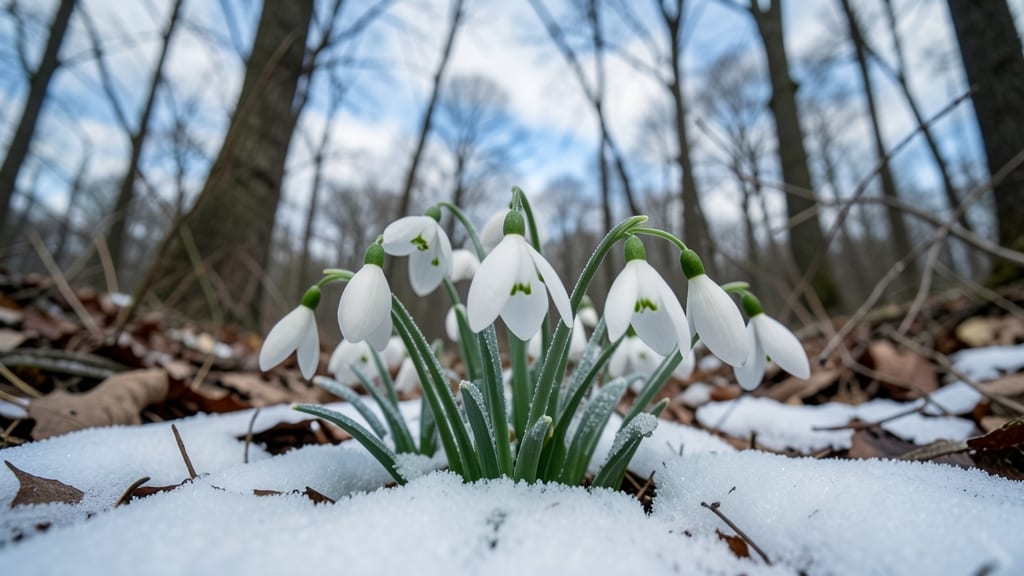
Galanthus nivalis—or snowdrops—are winter’s secret superstars, often pushing through snow to bloom as early as December. These delicate white flowers thrive where most plants refuse to grow, making them perfect for deep shade gardens under trees or in woodland settings where sunlight is scarce.
Plant bulbs in well-draining soil 3–4 inches deep in fall, and they’ll reward you with fragrant, nodding blooms that last 2–3 weeks. Snowdrops are deer-resistant and multiply over time, creating natural drifts. Their ability to handle snow cover and frost makes them one of the most resilient winter bloomers.
Ideal for gardeners with shady spots or those who want to add early color, snowdrops bring hope to winter landscapes. 🌱
Winter Aconite Eranthis Hyemalis
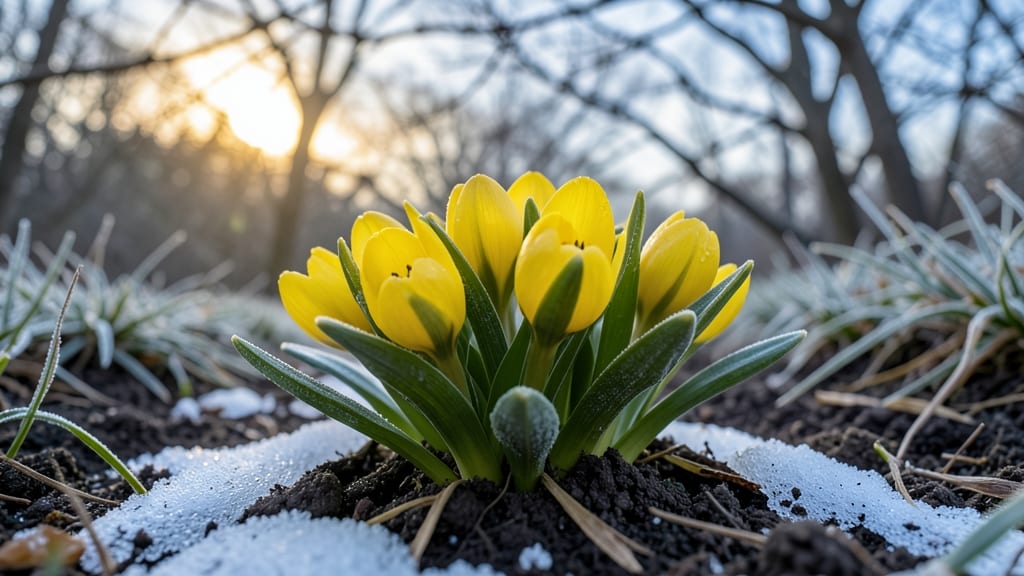
While snowdrops steal the spotlight in deep shade, winter aconite (Eranthis hyemalis) steals the show in sunny spots with its bright yellow blooms that poke through snow or early spring soil like tiny suns. This cheerful bulb is one of the first to bloom, offering nectar to early pollinators when few other flowers are available.
Plant these sun-loving bulbs in well-drained soil from late summer to early fall, and they’ll reward you with clusters of golden flowers from late winter to early spring. Their low-growing habit makes them perfect for rockeries, cottage gardens, or edging paths, where their vibrant color contrasts beautifully with evergreens or moss. Just be cautious—winter aconite is mildly toxic if ingested, so keep it away from pets and children.
Urban gardeners and small-space enthusiasts will love how winter aconite thrives in containers, adding a pop of color to patios or balconies. It’s a must-have for anyone who wants to bring early joy to their garden. 🌟
Crocus Vernus Dutch Master
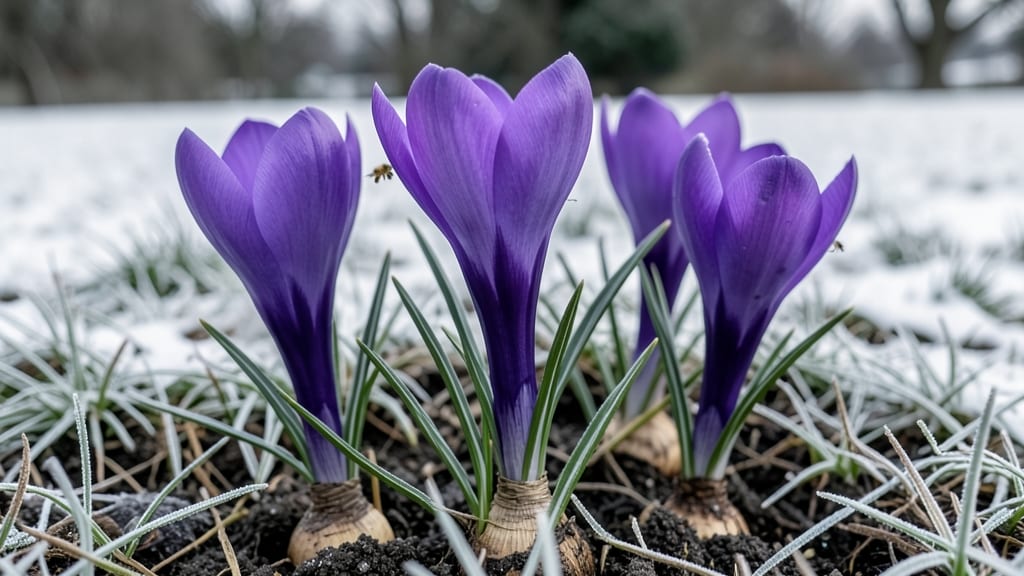
When your garden looks like a monochrome painting in winter, Crocus Vernus 'Dutch Master' injects bold purple energy—often blooming while snow still lingers. These aren’t just pretty faces; they’re early-season pollinator magnets that bring bees to your yard when food is scarce.
Plant the 3-inch-tall bulbs in fall (October–November) in full sun to partial shade, where they’ll naturalize over time. Their deer-resistant nature makes them ideal for rural properties, and they thrive in lawns, borders, or even containers. Just avoid overwatering—they prefer well-drained soil and minimal fuss.
Perfect for low-maintenance gardeners or those with deer pressure, these crocuses reward you with mid-winter color while demanding almost no effort. 🌷
Winter Jasmine Jasminum Nudiflorum
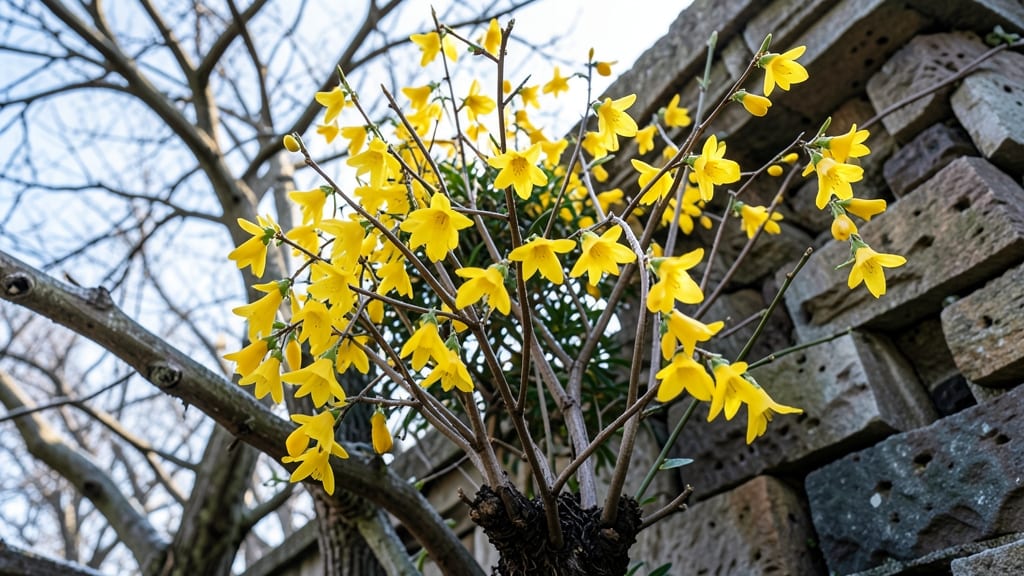
Looking for a bold winter statement that isn’t a traditional bulb? Winter jasmine (Jasminum nudiflorum) delivers cascading bright yellow blooms along its woody stems, creating a striking vertical display when trained on trellises or walls. Unlike true bulbs, this deciduous shrub offers year-round structure with its arching habit, making it a standout choice for architectural gardens.
Plant it in full sun to partial shade, where it thrives in well-drained soil. Prune stems back in early spring to encourage dense growth, and watch as cheerful flowers appear from late winter to early spring—often before leaves emerge. Its drought-tolerant nature makes it ideal for low-maintenance spaces, while its pollinator-friendly blooms provide early nectar for bees.
Perfect for urban gardeners with limited space or those who want to add height and color without bulky bulbs, winter jasmine transforms bare walls into living art. 🌻
Christmas Rose Helleborus Niger
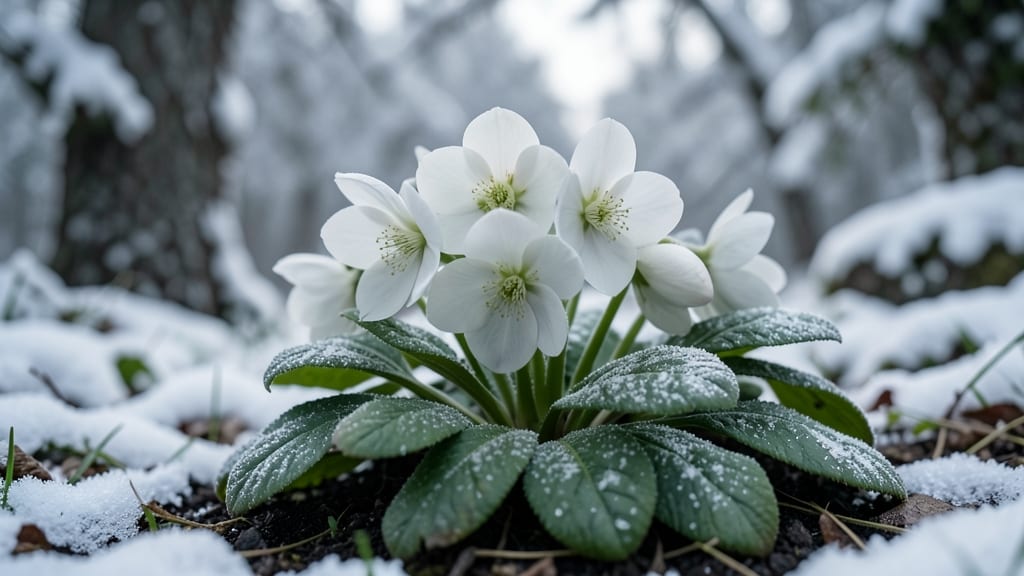
When you crave winter blooms that feel like a magical surprise, Christmas Rose (Helleborus niger) delivers with its delicate white flowers that appear in December—often while snow still lingers. Unlike other winter bloomers, this perennial thrives in partial shade, making it perfect for understory planting where sunlight is limited.
The plant’s dark, leathery foliage stays evergreen year-round, and each stem produces multiple blooms that nod gracefully above the leaves. What makes it unique is its ability to multiply over time, creating lush clumps that spread gently each season. For containers, pair it with evergreen ferns or heuchera for a winter-long show.
Ideal for woodland gardeners or those with shady spots, this low-maintenance beauty also handles light frosts beautifully. Its long bloom season (December–February) ensures you’ll have fresh flowers for holiday arrangements or simply to enjoy in your garden. ✨
Glory of the Snow Chionodoxa Luciliae
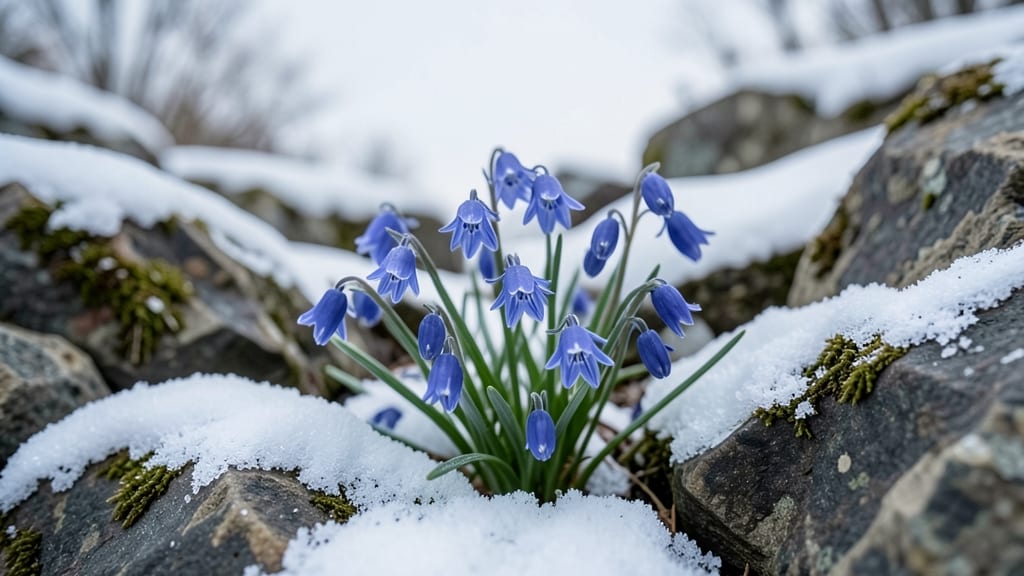
Imagine a fairy-tale garden where delicate blue stars emerge even when snow blankets the ground—Glory of the Snow (Chionodoxa luciliae) makes this vision real. Unlike other winter bloomers, these tiny bulbs thrive in rock gardens or alpine houses, where their clusters create a dreamy, ethereal effect that’s impossible to replicate with larger flowers.
Plant them in well-draining soil with full sun to partial shade, mimicking their Mediterranean native habitat. Their star-shaped blooms appear in late winter to early spring, often pushing through snow for a stunning contrast. Group them in clusters of 15–20 bulbs for maximum impact—urban gardeners and alpine enthusiasts will love their compact size and bold color.
This bulb is perfect for small-space gardeners or those who want to add whimsy to winter landscapes. Pair them with other early bloomers like snowdrops for a magical, layered effect. 🌟
Lenten Rose Helleborus Orientalis
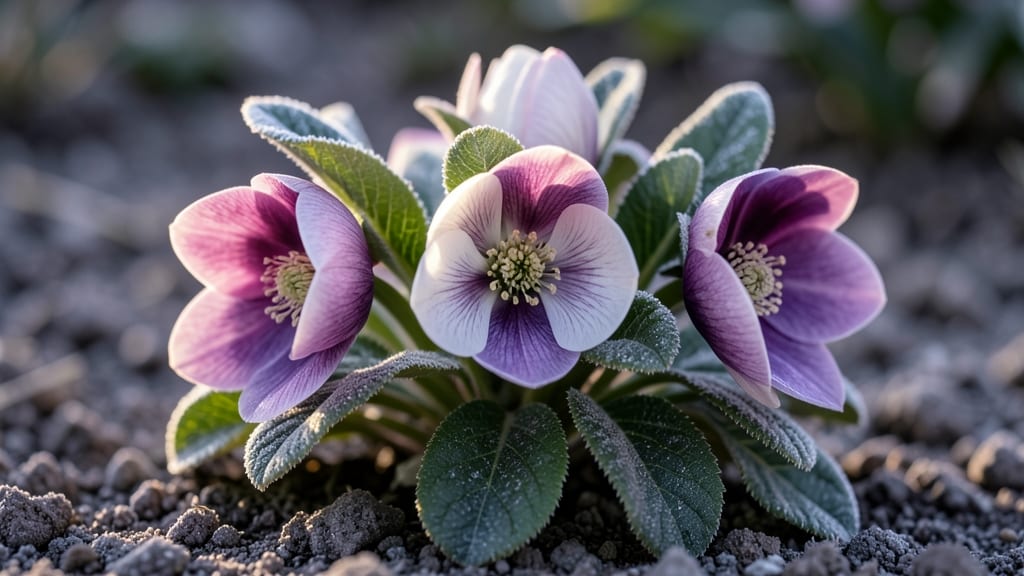
When you crave winter blooms that last beyond a fleeting few weeks, Lenten Rose (Helleborus orientalis) delivers with its February–April show. Unlike early snowdrops or crocuses, this shade lover produces nodding flowers in pink, white, or purple that stay vibrant for weeks—perfect for cutting or adding structure to your garden.
Thriving in partial to full shade, Lenten Rose tolerates wet soil and even snow, making it ideal for understory planting or woodland gardens. Its evergreen foliage provides year-round interest, while mature plants can live for decades with minimal care. For best results, plant in well-draining soil and avoid disturbing the roots once established.
This is the perfect choice for gardeners who want long-lasting winter color without summer maintenance demands—ideal for bouquets, shade gardens, or as a focal point near patios. 💚
Siberian Squill Scilla Siberica
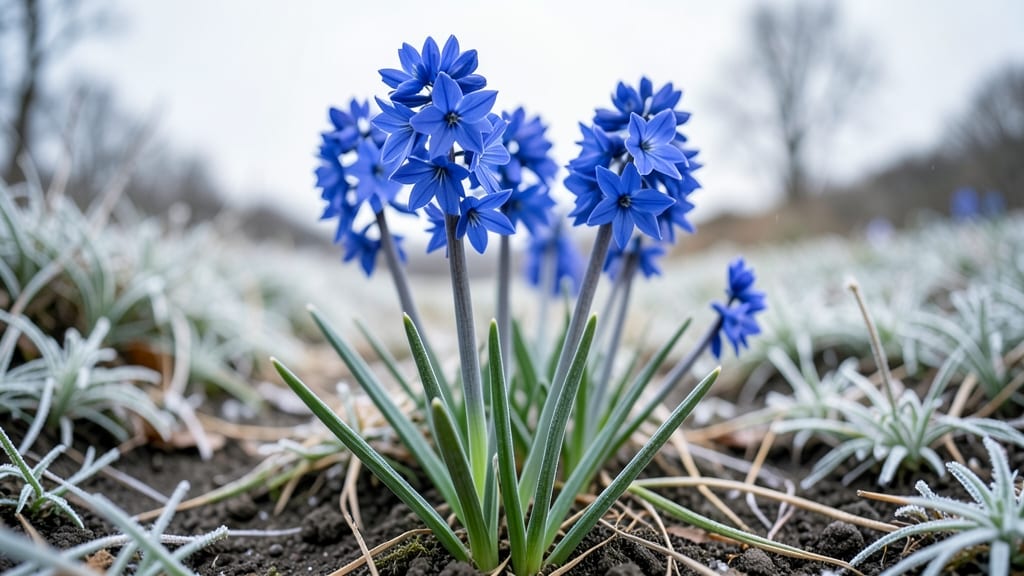
When you crave a pop of color in late winter but need something taller than crocus or snowdrops, Siberian squill (Scilla siberica) delivers with its striking 6-8 inch stems topped with dense clusters of blue star-shaped flowers. Unlike many winter bloomers that huddle near the ground, these upright beauties command attention in sunny borders or meadows where their height creates a natural focal point.
Plant the bulbs in well-draining soil in full sun to partial shade (they tolerate light shade better than deep shade) and water moderately once established. Their late winter bloom time (February-March) coincides with when other winter flowers are fading, making them a standout performer. The bulbs are hardy to USDA Zone 3, meaning they’ll survive even harsh winters, and they naturalize beautifully over time.
Perfect for gardeners who want bold winter color without fuss, Siberian squill thrives in both formal borders and wild meadows—just give it space to spread. 🌟
Winter Hyacinth Galanthus Elwesii
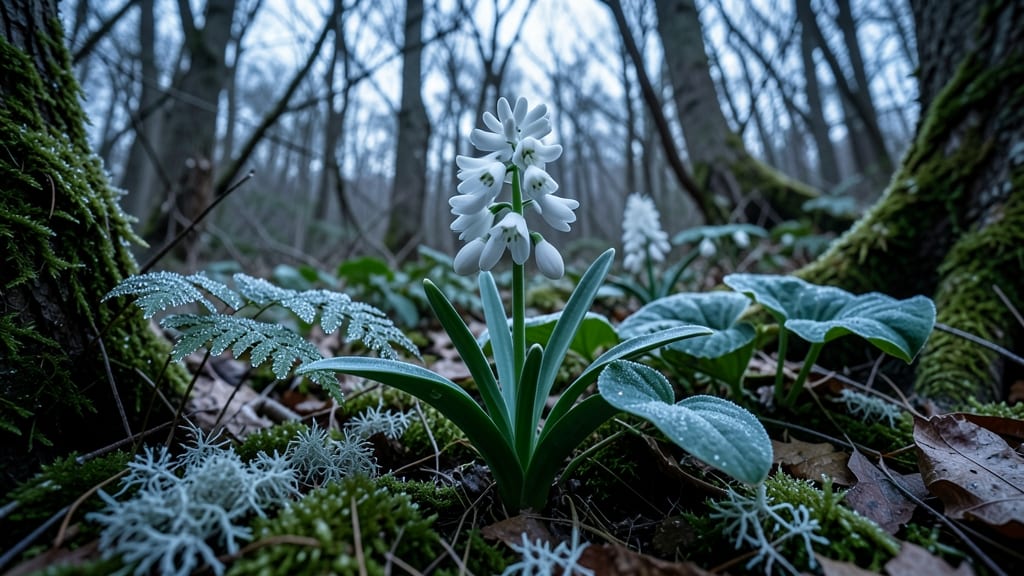
If you've ever struggled to find winter blooms that thrive in deep shade, Galanthus elwesii—or winter hyacinth—is your game-changer. Unlike its delicate snowdrop cousins, this bulb produces bold, fragrant white flowers that stand out against ferns, hostas, or mossy woodland floors.
Plant bulbs in fall (October–November) in well-draining soil, 3–4 inches deep. They prefer moist, humus-rich conditions but tolerate dry shade once established. Each flower spike can hold 8–12 blooms, creating a striking vertical contrast in shady borders. The intense fragrance also attracts early pollinators like bees.
Perfect for gardeners with shady spots or those who love understory planting, these bulbs multiply over time, offering year-round interest with their evergreen foliage. 🌱
Snowflake Galanthus Plumarius

If you love snowdrops but crave something truly special, Galanthus Plumarius—the snowflake snowdrop—will steal your heart with its ruffled, double-layered blooms. Unlike its simpler cousins, this variety adds textural drama to winter borders, making it a prized find for collectors and cottage gardeners alike.
Plant these bulbs in partial to full shade where they’ll thrive under trees or along woodland edges. Their late winter blooms (February–March) appear just as other snowdrops fade, extending your season of interest. For best results, naturalize them in moist, well-drained soil—they’ll multiply over time, creating lush colonies. The delicate, layered petals catch light beautifully, making them stand out in frosty landscapes.
Perfect for gardeners who appreciate unique forms or want to elevate their winter displays, these snowflakes pair well with hellebores and ferns. Their old-fashioned charm feels right at home in heritage gardens or modern containers. 🌷