
Blooming
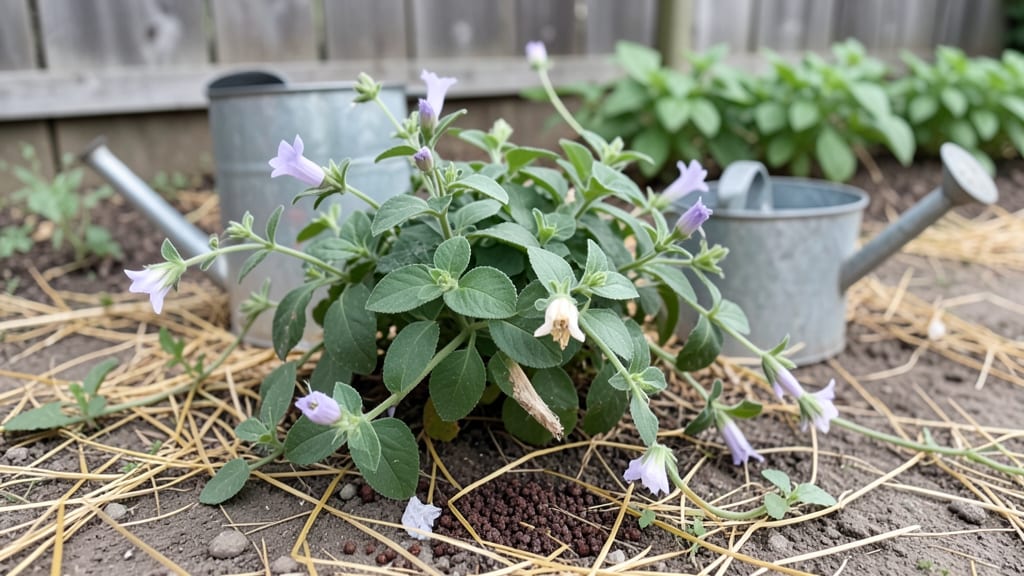
When your calibrachoa refuses to bloom, it’s usually a cry for help—not a death sentence. 🌿 I’ve nursed back more than my share of leafy, non-flowering plants (yes, even the stubborn ones), and the fixes are simpler than you’d think.
The problem almost always boils down to one of five overlooked details: sunlight, soil, water, nutrients, or pruning habits.
Here’s the thing—calibrachoa thrives on bright light and consistent moisture, but most gardeners either underestimate how much sun these plants really need or let their soil dry out completely between waterings. I’ve seen plants bounce back in as little as 10 days after adjusting just one of these factors.
The good news? You don’t need a green thumb to troubleshoot—just a willingness to check a few basics.
By the end of this, your trailing petunias will be bursting with blooms again, spilling over pots in vibrant waves of color. We’ll start with the quickest fixes—like moving your plant to a sunnier spot or giving it a balanced fertilizer boost—and work through the deeper solutions.
Trust me, your calibrachoa is closer to revival than you realize.
Even if you’ve tried everything before, there’s one detail you might’ve missed—like pruning spent blooms and leggy growth at the same time. That’s the game-changer. Let’s get those flowers back where they belong.
Why it happens
When your Calibrachoa (often called trailing petunias) refuses to bloom, it’s usually not a mystery—just a series of overlooked environmental or care factors. Understanding these triggers is the first step to coaxing vibrant flowers back into your garden. Here’s why your plant might be playing hard to bloom:
🌡️ Temperature & Lighting Imbalances
Calibrachoa thrives in full sun (6–8 hours daily), but too much heat or inconsistent light can disrupt flowering. Here’s how:
- Insufficient light: These plants need bright, direct sunlight to trigger photoperiodic responses (a natural biological clock that signals blooming). In shaded spots, they focus energy on foliage growth instead of flowers. Fix: Move containers to sunnier areas or supplement with grow lights (12+ hours/day).
- Extreme heat stress: Temperatures above 85°F (29°C) can cause buds to drop or fail to open. High heat also increases water loss, leading to nutrient deficiencies that stunt blooms. Fix: Provide afternoon shade in hot climates or use shade cloth (30–50% coverage). Mulch with straw to regulate soil temp.
💧 Watering Woes & Root Stress
Calibrachoa roots are shallow and sensitive—overwatering or drought can both sabotage blooms by disrupting nutrient uptake or causing root rot.
- Underwatering: When soil dries out completely, the plant conserves energy by halting non-essential functions—like flowering. Fix: Water deeply 2–3 times per week (daily in extreme heat) and check soil moisture 1–2 inches down. Use drip irrigation to keep roots consistently moist.
- Overwatering: Soggy soil suffocates roots, preventing them from absorbing phosphorus (critical for bloom development). Fix: Ensure pots have drainage holes and use well-draining soil mixes (add perlite or sand). Let the top inch of soil dry between waterings.
🍽️ Nutrient Deficiencies & Overfeeding
Blooms are energy-intensive, and calibrachoa needs the right balance of nutrients—especially phosphorus (P) and potassium (K). Too little or too much of the wrong thing can halt flowering.
- Low phosphorus: This macronutrient is the "bloom booster," and deficiency (yellow/purple stems, stunted growth) tells the plant to prioritize leaves over flowers. Fix: Use a balanced fertilizer (10-10-10 or 5-10-5) every 2–3 weeks during the growing season. For a quick fix, apply a phosphorus-rich supplement like bone meal.
- Excess nitrogen: Lush green growth at the expense of blooms? Too much nitrogen (common in lawn fertilizers) promotes foliage over flowers. Fix: Switch to a low-nitrogen, high-phosphorus formula (e.g., 5-10-10) and avoid compost-heavy soils until blooms return.
✂️ Pruning & Deadheading Neglect
Calibrachoa is a self-cleaning plant, but improper pruning or ignoring spent blooms can signal the plant to redirect energy elsewhere.
- No deadheading: While calibrachoa often drops old flowers naturally, heavy bloom loads can exhaust the plant. Fix: Lightly pinch back leggy stems and remove only heavily faded clusters to encourage new growth. Avoid aggressive pruning mid-season.
- Over-pruning: Cutting back too hard (especially in early spring) removes flower buds before they open. Fix: Prune only to shape—never more than 1/3 of the plant at once. Use clean, sharp shears to avoid disease.
🐞 Pests & Diseases Sabotaging Growth
Hidden pests or fungal issues can drain your plant’s energy, leaving it too weak to produce blooms. Watch for:
- Aphids/Spider mites: These sap-suckers weaken stems and stunt growth. Fix: Spray with neem oil or insecticidal soap weekly until pests vanish. Introduce ladybugs for natural control.
- Powdery mildew: White fungal growth on leaves blocks sunlight and clogs stomata (pores), reducing photosynthesis. Fix: Improve airflow with spacing, water at soil level (avoid overhead), and apply baking soda spray (1 tsp baking soda + 1 quart water + a drop of soap).
🌱 Transplant Shock or Poor Soil
If your calibrachoa was recently repotted or planted, it may be recovering from stress rather than blooming.
- Compacted or poor soil: Heavy clay or nutrient-poor soil restricts root growth, limiting the plant’s ability to support blooms. Fix: Amend soil with compost and perlite for aeration. Test pH—aim for 6.0–6.5 (slightly acidic).
- Root-bound pots: Circling roots or a pot too small for the plant’s size (e.g., <6 inches in diameter) can stunt growth. Fix: Repot into a container 2–3 inches larger with fresh potting mix if roots are visible at the surface.
Revive Your Calibrachoa Blooms
Now that you know the common culprits behind your calibrachoa’s lack of blossoms, let’s roll up our sleeves and get those flowers back in action! Each issue has a straightforward fix—plus a few pro tips to keep your trailing petunias thriving long-term.
🌱 Fix 1: Overcrowded Roots Need Space
Problem: Too many plants competing for nutrients and sunlight. Solution:
- 🔪 Prune back ⅓ of the plant to reduce stress and encourage new growth.
- 🌱 Repot or thin out if growing in containers—aim for 3–4 plants per 12-inch pot (or 1 plant per square foot in garden beds).
- 💡 Pro Tip: Use well-draining soil (like a mix of potting soil + perlite) to prevent root rot, which can further weaken blooming.
☀️ Fix 2: Boost Light Exposure for More Flowers
Problem: Shady spots = fewer blooms. Solution:
- 📏 Move plants to a sunnier spot—calibrachoas need 6+ hours of direct sunlight daily.
- 🔄 Rotate pots weekly to ensure even light exposure (prevents leggy, sparse growth).
- ✨ Prevention: If indoors, place near south- or west-facing windows or supplement with grow lights (12–14 hours/day).
💧 Fix 3: Watering Woes—Too Much or Too Little
Problem: Overwatering drowns roots; underwatering stresses plants. Solution:
- 💧 Water deeply but infrequently—let the top 1–2 inches of soil dry out between waterings.
- 🌡️ Check soil moisture with your finger (or a moisture meter) to avoid guesswork.
- 🔥 Fix drainage issues: Elevate pots on feet or trays to prevent soggy roots.
- 💡 Pro Tip: Morning watering reduces fungal risks (like powdery mildew), which can sap energy from blooming.
🌿 Fix 4: Starving for Nutrients? Feed Them Right
Problem: Poor soil or wrong fertilizers = weak flowers. Solution:
- 📊 Use a balanced, water-soluble fertilizer (like 10-10-10 or 20-20-20) every 2–4 weeks during growing season.
- 🥗 Switch to a bloom-boosting formula (higher phosphorus, like 5-10-5) to encourage flowers over foliage.
- 💡 Prevention: Test soil pH (ideal range: 6.0–7.0)—acidic soil locks out nutrients!
✂️ Fix 5: Deadhead & Prune for Nonstop Blooms
Problem: Old flowers and leggy stems drain energy. Solution:
- ✂️ Deadhead spent blooms weekly to redirect energy to new flowers.
- 🌿 Pinch back leggy stems to encourage bushier, more compact growth.
- 🔄 Prune in stages—trim 10% of the plant every 2–3 weeks to avoid shocking it.
🛡️ Bonus: Pest & Disease Defense
Problem: Bugs and fungi steal nutrients. Solution:
- 🐜 Inspect leaves daily for aphids, spider mites, or whitefly. Blast off pests with a strong spray of water or use neem oil (1 tsp per quart of water).
- 🌡️ Prevent fungal issues by avoiding overhead watering and ensuring good air circulation (space plants 12+ inches apart).
🎯 Final Reminder: Consistency is key! Calibrachoas reward regular care with months of vibrant blooms. Try one fix at a time, monitor progress, and adjust as needed. Before you know it, your trailing petunias will be spilling over pots in a floral cascade! 🌸💐
Frequently asked questions
Why is my calibrachoa producing only leaves and no flowers?
Lack of blooms often signals your plant needs more bright light—these trailing petunias thrive in 6-8 hours of direct sunlight daily. If your plant is in shade, it redirects energy to foliage growth instead. Try moving it to a sunnier spot or supplementing with grow lights for 12+ hours/day. Another culprit could be excess nitrogen in fertilizer, which promotes leafy growth over flowers—switch to a phosphorus-rich formula like 5-10-5 for a bloom boost!
How often should I fertilize calibrachoa to encourage blooming?
For consistent blooms, feed your calibrachoa every 2-3 weeks during the growing season with a balanced liquid fertilizer (10-10-10). To specifically encourage flowers, switch to a high-phosphorus formula (5-10-5) mid-season. Always water the soil first to avoid burning roots, then apply fertilizer to damp soil for better absorption.
Is it normal for calibrachoa to stop blooming in extreme heat?
Yes! Temperatures above 85°F (29°C) can cause buds to drop or fail to open, and high heat stresses the plant. Provide afternoon shade or use 30-50% shade cloth to protect leaves. Water more frequently in heat waves, and mulch with straw to keep roots cool. Most plants bounce back with cooler temps and consistent care!
What’s the best way to deadhead calibrachoa for continuous blooms?
Pinch off spent flowers just above a leaf node (not a leaf itself) to encourage new growth. Avoid aggressive pruning—just remove faded blooms weekly and trim leggy stems by 10% at a time. This redirects energy to fresh flowers without shocking the plant. Use clean, sharp scissors to prevent disease!
Can I save my calibrachoa if it’s root-bound?
If roots circle the pot or grow through drainage holes, repot into a container 2-3 inches larger with fresh, well-draining soil. Gently loosen roots before transplanting and avoid overwatering for 10 days to reduce shock. This gives your plant room to grow and bloom again!