
Blooming
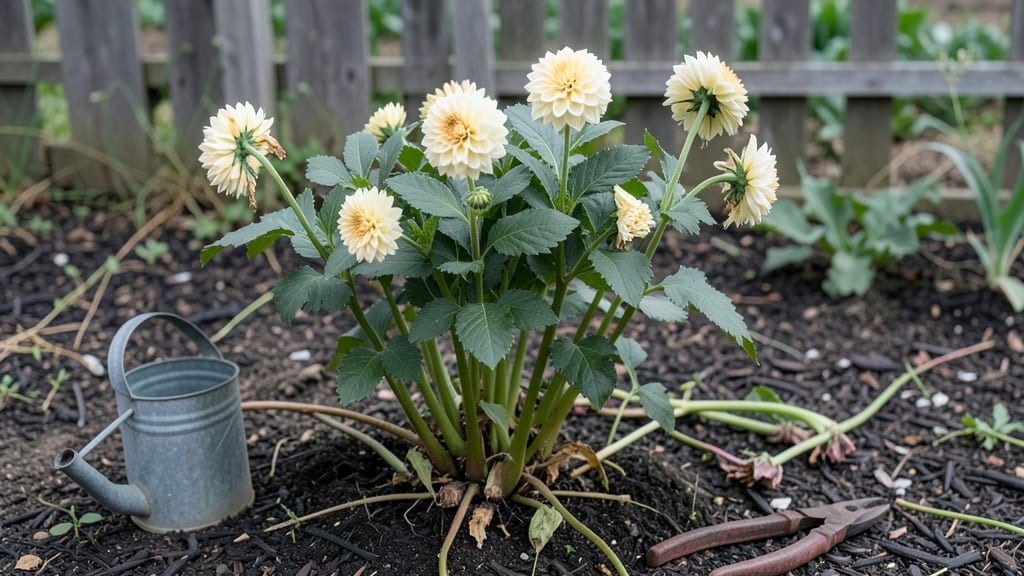
The flower’s energy is entirely focused on producing seeds and sustaining the bloom, so once you cut the head, that cycle is complete. 🌱 Think of it like a plant’s one-time investment—all its resources go into making that flower, not storing reserves for future blooms.
Even if the stem stays alive, it won’t redirect energy to new flowers unless it’s a specific type of plant (like some perennials) that can regrow from the base under the right conditions.
💡 In This Article
- How Flower Biology Limits Regrowth After Cutting
- Maximizing Stem Recovery Post-Cutting for Gardeners
How flower biology limits regrowth after cutting
The flower head is a plant's primary energy sink during blooming season. When a flower opens, it diverts up to 70% of the plant's photosynthetic energy toward producing nectar, pollen, and seeds.
This process is governed by the hormone ethylene, which signals the plant to allocate resources exclusively to reproduction. Once the flower head is cut, this energy pipeline is severed, leaving the stem with no biological incentive to produce another bloom. 🌸
Here's what's actually happening at a cellular level: The flower's vascular system contains specialized tissues called phloem and xylem that transport nutrients and water.
When you cut the head, you're severing these conduits, which means the stem loses its primary delivery route for sugars and hormones needed to initiate new growth. Some plants like roses can produce side shoots because they store carbohydrates in their roots, but these are exceptions rather than the rule.
The concept of apical dominance plays a crucial role too. This phenomenon occurs when the terminal bud (the main growing point) produces the hormone auxin, which suppresses growth from lower buds.
When you cut the flower head, you remove this dominant growth center, which is why you might see new shoots emerging from the stem's nodes. However, these shoots typically develop into leaves or new stems—not flowers—because the plant's energy is now focused on vegetative growth rather than reproduction. 🌱
Consider the case of chrysanthemums: These plants can produce multiple blooms in a single season because they store energy reserves in their roots. When you cut a chrysanthemum flower, the plant can redirect energy from its root system to produce new shoots that eventually bloom.
In contrast, annual flowers like zinnias have no stored reserves and rely entirely on current photosynthesis, making regrowth nearly impossible after cutting.
Temperature and light conditions also influence regrowth potential. Plants cut during their active growing season (spring to early summer) have a better chance of producing new growth because they're already photosynthesizing at peak capacity.
In cooler months, when metabolic processes slow down, the plant has even fewer resources to allocate to new shoots. This is why gardeners often see better regrowth from summer cuttings compared to those made in fall or winter. 🌿
What most people don't realize is that even if a stem produces new leaves after cutting, those leaves won't necessarily lead to flowers.
The plant's hormonal balance has shifted from reproductive mode to vegetative mode, and reversing this process requires specific conditions like proper pruning techniques, adequate fertilization, and sometimes even root division.
This biological limitation is why florists and gardeners focus on cutting flowers early in the morning when the stems are fully hydrated and the plant's energy reserves are at their peak.