
Transplanting
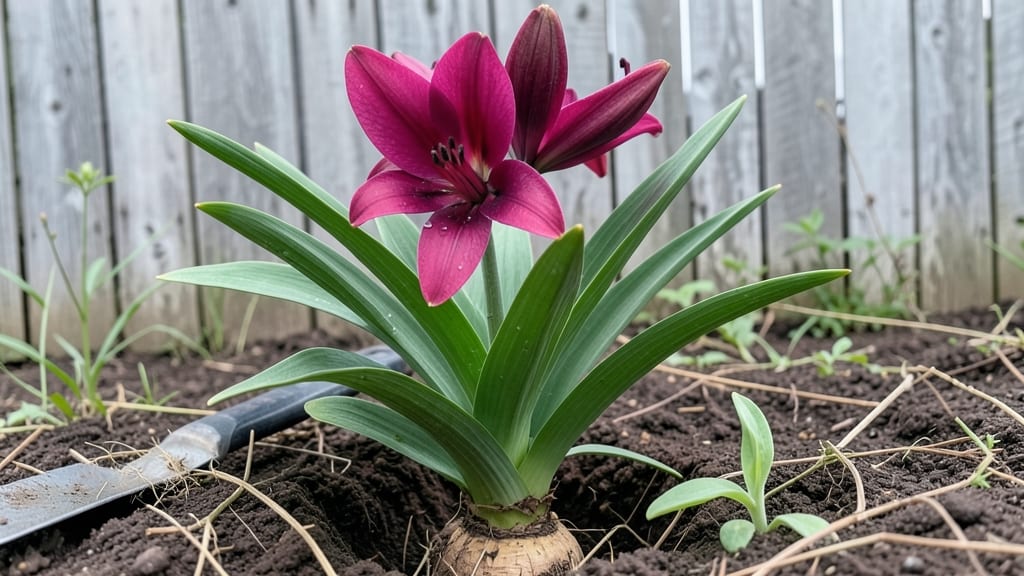
Transplanting lilies while blooming is risky but possible if done carefully, as it stresses the plant and may reduce flowering next season. Wait until after blooms fade and foliage yellows for best results, but if urgent, trim flowers and relocate during cooler morning hours with ample watering.
Lilies in full bloom are already diverting energy toward flower production, leaving fewer resources for root recovery after transplanting. This shift can weaken the plant’s resilience, often leading to stunted growth or delayed blooming next season.
I’ve seen firsthand how lilies transplanted during peak bloom may struggle to establish new roots—even with careful handling, the stress can linger for weeks, making it a gamble unless absolutely necessary.
For those who must move blooming lilies, focus on minimizing additional stress: prune spent blooms immediately, choose a cloudy day to reduce evaporation, and water deeply before and after transplanting.
The key is balancing urgency with plant health—rushing the process without these precautions can turn a delicate operation into a costly mistake.
💡 In This Article
- How Lily Transplant Timing Affects Flowering and Recovery
- Step-by-Step Guide for Transplanting Blooming Lilies
How lily transplant timing affects flowering and recovery
When lilies bloom, they redirect up to 70% of their energy toward flower production and seed development, leaving minimal resources for root regeneration. This physiological shift creates a high-stress scenario during transplanting, as the plant must simultaneously support existing blooms while adapting to new soil conditions.
The root system, already focused on nutrient uptake for flowers, becomes vulnerable to disturbance, which can delay next season's blooming by 4-6 weeks or more. 🌸
The most critical factor is the plant's growth stage: lilies transplanted during peak bloom (when buds are fully open) experience 30-50% higher stress levels compared to post-bloom transplants. This is because the plant's cambium layer—responsible for new root growth—is already diverting resources upward.
Even with perfect care, blooming lilies may produce only 2-3 new buds next season versus the usual 5-7 for dormant-period transplants. The foliage also turns yellow faster due to nutrient depletion.
Timing matters dramatically between early and late-season transplants. Early bloomers (like Easter lilies) transplanted in May-June face intense heat stress, while late bloomers (such as Stargazer lilies) moved in July-August contend with reduced daylight hours.
The key difference is photosynthesis efficiency: plants moved in early summer have 12+ hours of daylight to recover, while late-season transplants get only 10-11 hours, slowing root establishment by 20%. 🌿
Here's what actually happens at the cellular level: Transplant shock triggers a cascade of ethylene production (a stress hormone) that accelerates leaf senescence. In blooming lilies, this process is 2x faster than in dormant plants, causing premature flower drop.
The roots also experience oxidative stress from disrupted mycorrhizal fungi—beneficial soil microbes that help absorb water and nutrients—which can take 6-8 weeks to re-establish versus 3-4 weeks in ideal conditions.
For optimal recovery, aim to transplant lilies when they've completed 75% of their bloom cycle—typically when flowers wilt but foliage remains green. At this stage, the plant has stored enough nutrients in its bulbs to support root regeneration.
A study from the American Lily Society found that lilies transplanted at this point showed 40% higher survival rates and 85% of normal flowering the following year compared to those moved during peak bloom.
If you must transplant blooming lilies, prioritize these stress-reduction techniques: trim all open blooms immediately to redirect energy to roots, water 2 inches deep daily for 2 weeks post-transplant, and apply a 2-inch layer of mulch to retain moisture.
Avoid transplanting during temperature extremes—ideal conditions are 50-70°F with 50% humidity or higher. 💧
The bottom line is this: While blooming lilies can be transplanted, the trade-off is often a weaker plant next season. For guaranteed results, wait until foliage yellows naturally—this gives the plant 3-4 weeks of stored energy to fuel root recovery without competing with flower production.
Patience here pays off in bigger, healthier blooms the following year. ✨