
Blooming
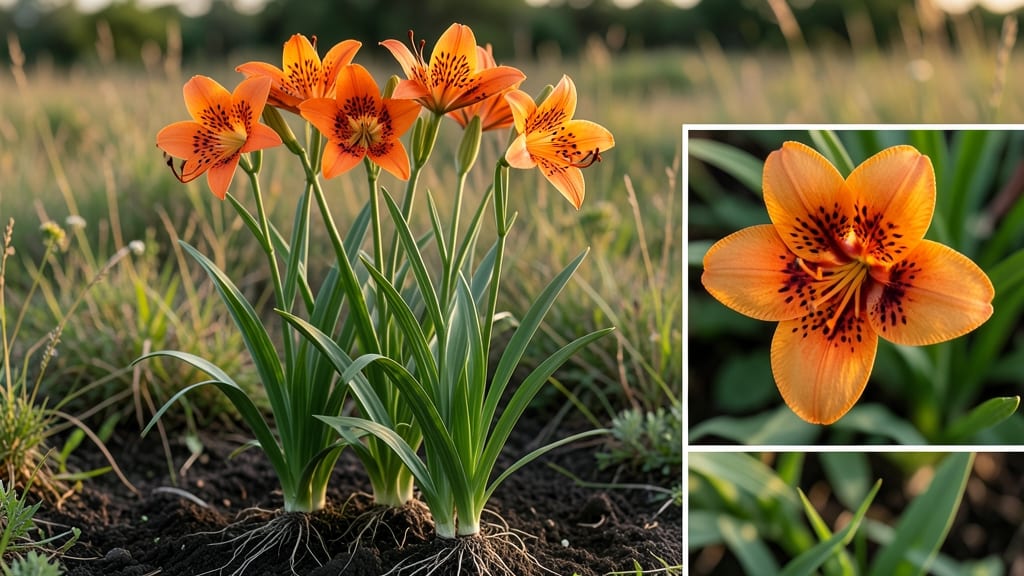
Tiger lilies do not bloom all summer; most varieties flower for 4-6 weeks in mid-to-late summer, typically from July through August, depending on climate and variety. Some reblooming types may produce sporadic blooms into early fall with proper care.
Tiger lilies are seasonal showstoppers, with their vibrant blooms appearing in a concentrated window that varies slightly by region. 🌸 In warmer climates, they might start as early as June, while cooler areas could see them peak in late July or August.
The key factor is daylight—longer summer days trigger their flowering cycle, but once the days shorten in early fall, most varieties call it quits. That said, some hybrid types like 'Casa Blanca' or 'Black Beauty' might surprise you with a few late-season blooms if you provide consistent care.
What's interesting is how their bloom patterns differ from other summer flowers like zinnias or marigolds, which often stretch their flowering season. Tiger lilies are more like a burst of color rather than a gradual display.
This makes timing critical if you're planning a garden that needs continuous blooms—pairing them with other seasonal flowers ensures your summer garden stays lively from start to finish.
💡 In This Article
- Tiger Lily Bloom Seasons by Variety
- Extending Tiger Lily Blooms with Care Tips
Tiger lily bloom seasons by variety
The bloom timing of tiger lilies varies dramatically by variety, with some types like 'Stella de Oro' producing flowers as early as mid-June in warm climates, while others like 'Black Beauty' typically peak in late July.
This difference stems from their genetic programming—each variety has been bred to respond to specific daylight thresholds, usually between 14-16 hours of daylight per day, which triggers their flowering cycle. 🌿 For example, in the Pacific Northwest, where summer days reach 15.5 hours by July, most tiger lilies will bloom between mid-July and early August, while in Florida's longer daylight summers, they may start flowering as early as June.
Color plays a subtle role too: lighter varieties like 'Casa Blanca' often bloom slightly earlier than darker types, possibly due to their ability to absorb more sunlight for energy production.
The blooming window for most tiger lilies lasts 4-6 weeks, but this can shrink to just 2-3 weeks in cooler climates where summer days are shorter.
What's fascinating is how temperature affects this—below 65°F at night, many varieties will delay blooming until warmer conditions return, which is why gardeners in Zone 5 often see their tiger lilies peak in late July rather than June.
Daylight length is the primary regulator, but soil temperature also matters. Tiger lilies need soil to reach at least 60°F before they'll begin flowering, which explains why northern gardens see later blooms.
The 'Lilac Beauty' variety, for instance, typically blooms 2-3 weeks later than 'Stella de Oro' in the same region. This delayed response occurs because cooler soils slow root activity, which in turn delays the plant's energy production needed for blooming. 🌞
What most gardeners don't realize is how regional climate variations create these windows. In desert climates like Arizona, where summer temperatures exceed 95°F, tiger lilies may enter dormancy during peak heat and only bloom in early June or September when temperatures moderate.
Meanwhile, in coastal areas with milder summers, they'll bloom continuously from July through August without interruption. This regional adaptability means your local nursery's bloom timing advice might not apply to your garden just 50 miles away.
For those planning summer gardens, understanding these patterns helps with strategic planting. Pairing early-blooming varieties like 'Stella de Oro' (June-July) with mid-season types like 'Black Beauty' (July-August) creates a staggered bloom effect that extends your garden's visual appeal.
The key is to select varieties that complement your local climate's daylight and temperature patterns rather than assuming all tiger lilies will perform the same in your yard.
One exception worth noting is the 'Lilac Star' variety, which has shown more consistent reblooming tendencies in controlled garden trials. While it still follows the general 4-6 week bloom window, it may produce secondary blooms in September if given proper care during its peak flowering period.
This makes it a better candidate for gardeners hoping to extend their tiger lily season beyond the typical summer window. 🌸