
Blooming
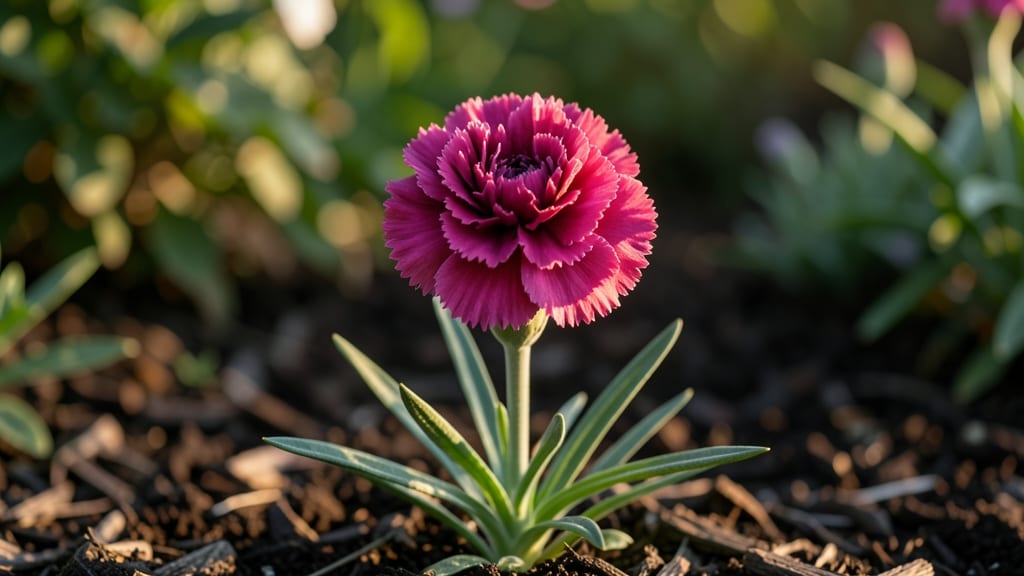
Carnations bloom in spring and fall 🌸, but their exact timing depends on your variety and hardiness zone.
Picture this: you’ve waited weeks for those vibrant blooms, only to find they’re not arriving when you expected. That’s because carnation bloom time isn’t one-size-fits-all—it shifts with climate, care, and even the type of carnation you’re growing.
In USDA Zone 6a, like many gardeners, you’ll see spring blooms from June to July if planted in March or April. But if you’re in a warmer zone, your fall-planted carnations might burst into color as early as October.
The key? Knowing your variety and giving them the right conditions.
Below, I’ll break down bloom times by variety, how hardiness zones change the game, and 5 easy tips to coax earlier flowers—so you can enjoy those cheerful blooms right when you want them.
Carnation bloom time by variety: when to expect flowers
Carnations are beloved for their fragrant blooms and long vase life, but their bloom time varies dramatically by variety. Whether you're growing annual, perennial, or hybrid types, timing is everything.
Some varieties burst into color in early spring, while others reward patience with summer or fall blooms. Let’s break down the bloom schedules for popular carnation types to help you plan your garden calendar.
First, know that annual carnations (like the classic Dianthus caryophyllus) typically bloom 60-90 days after planting, depending on conditions. Perennial varieties, however, can take longer—sometimes up to 120 days—but offer repeat blooms if cared for properly.
The key to predicting bloom time lies in understanding your specific variety and its seasonal preferences.
Early bloomers like 'Chabaud' carnations often start flowering in late spring (May-June), while late-season types such as 'Spray' varieties may not peak until summer or early fall. Even within the same category, differences in hardiness and climate can shift bloom windows by weeks. For example, cool-climate growers might see delayed blooms compared to warm-zone gardeners.
| Variety Type | Bloom Season | Days to Bloom | Height | Notes |
|---|---|---|---|---|
| Standard Annual (e.g., 'Chabaud') | Late Spring (May-June) | 60-75 days | 18-24 inches | Fragrant, long stems; ideal for bouquets. |
| Spray Varieties (e.g., 'Improved White') | Summer-Fall (July-October) | 90-120 days | 12-18 inches | Compact, bushy; great for borders. |
| Dwarf Perennial (e.g., 'Picotee') | Mid-Spring (April-May) | 75-90 days | 8-12 inches | Repeat blooms; cold-hardy to Zone 5. |
| Border Types (e.g., 'Border Gem') | Early Summer (June-July) | 80-100 days | 12-15 inches | Heat-tolerant; long-lasting blooms. |
| Giant Florist (e.g., 'William Simpson') | Late Summer (August-September) | 100-130 days | 24-36 inches | Showy, large blooms; needs staking. |
If you're growing 'Chabaud' carnations, expect the first buds to appear around 60-75 days after sowing seeds or transplanting. These annual varieties thrive in cool spring weather and often produce continuous blooms until summer heat sets in. For longer vase life, deadhead spent blooms regularly to encourage new flowers.
Spray carnations, like the 'Improved White' variety, are perfect for summer gardens and typically bloom 90-120 days after planting. Their compact growth habit makes them ideal for container gardening or border plantings. Unlike their taller cousins, these varieties are less prone to flopping in wind or rain, making them low-maintenance choices.
For perennial carnations, such as 'Picotee', bloom time can vary based on winter hardiness. In USDA Zones 5-9, these dwarf types often flower in mid-spring and may rebloom in fall if given proper care.
Their smaller stature (8-12 inches) and fragrant blooms make them excellent for rock gardens or window boxes.
One of my favorite late-season varieties is the 'Border Gem' carnation, which thrives in early summer heat. These heat-tolerant plants bloom 80-100 days after planting and produce clusters of small flowers that attract pollinators. To extend their bloom time, provide consistent moisture and well-draining soil to prevent stress.
If you're aiming for show-stopping displays, consider 'Giant Florist' carnations like 'William Simpson'. These tall, dramatic varieties take 100-1
How hardiness zones affect carnation bloom time
Your USDA hardiness zone plays a crucial role in determining when your carnations will bloom. Cooler zones (like 3-5) delay flowering until late spring or summer, while warmer zones (like 8-11) may produce blooms year-round. Understanding these differences helps you time plantings for vibrant flowers.
Carnations thrive best in zones 6-10, where they experience ideal growing conditions. Outside these zones, frost sensitivity becomes a major factor. In zone 4 or below, early spring plantings risk frost damage, while zone 11 gardeners may see continuous blooming with proper care.
In zones 3-5, start seeds indoors by March 1 for transplanting after the last frost. Use row covers to extend the season and protect tender blooms. These zones often see June-July flowering with proper planning.
Gardeners in zones 6-8 enjoy the most predictable bloom times, typically between May and October. Plant seeds directly in early spring or late summer for continuous color. These zones support both annual and perennial varieties with minimal frost concerns.
For zones 9-11, carnations can bloom year-round with consistent care. Plant in fall or winter to avoid summer heat stress. Expect spring and fall as peak bloom seasons, with occasional summer flowers if kept well-watered and shaded during peak heat.
Adjust your planting schedule by 2-4 weeks earlier in cooler zones or later in warm climates. Always monitor local frost dates—carnations cannot tolerate temperatures below 25°F without protection.