
Blooming
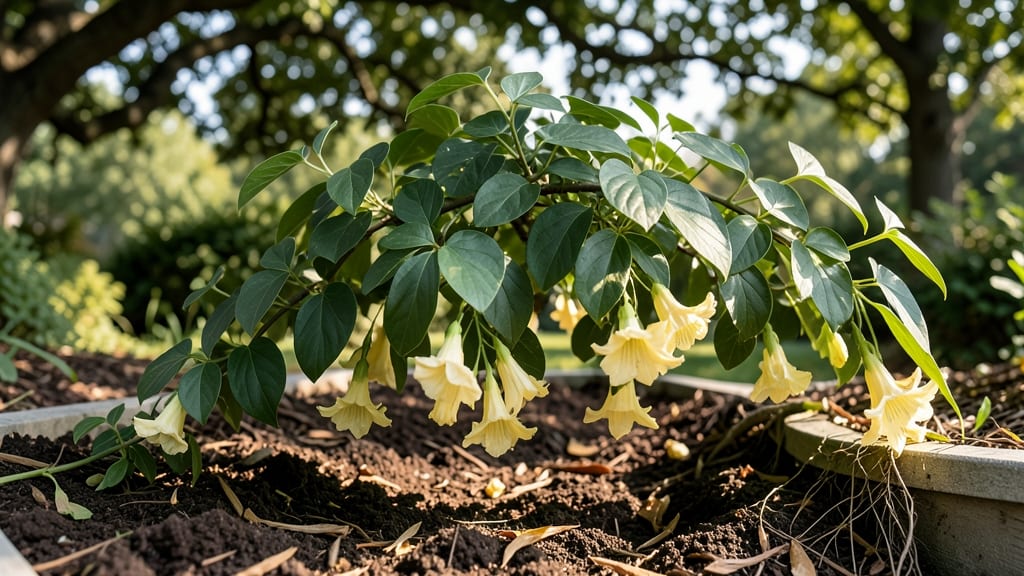
The Carolina jasmine bloom time is your cue to plan for fragrant white flowers that arrive like clockwork—if you know the right months for your zone.
If you love the intoxicating fragrance of Carolina jasmine but struggle to predict its bloom schedule, you’re not alone. This fast-growing vine’s timing varies dramatically by climate zone, with some regions seeing two blooming seasons and others just one.
The difference between a spring-only display and reblooms through summer often comes down to a few simple care tweaks.
For gardeners in Zones 7a-10a (its native range), blooms typically kick off in late spring, but the exact timing shifts north to south. In warmer zones like Florida, you might catch early flowers as soon as March, while cooler areas like Georgia wait until May.
The key to extending that show? Pruning at the right time and avoiding common mistakes that cut blooms short.
Below, I’ll break down the month-by-month schedule for your zone, plus the three pruning tricks that turn a single spring burst into a fragrant summer-long display. No more guessing—just reliable blooms when you need them most.
Carolina jasmine bloom time by USDA hardiness zones: month-by-month guide
Carolina jasmine (Gelsemium sempervirens) is famous for its intoxicating, lemony fragrance, but its bloom timing shifts dramatically depending on your USDA hardiness zone. In Zones 7–10, you’ll see everything from early spring blooms to late summer reblooms—here’s exactly what to expect in each zone.
Understanding these patterns helps you plan trellises and extend flowering through strategic care.
This evergreen vine thrives in warm climates, but even within Zone 8’s transitional range, you might experience two bloom cycles: one in spring and another in late summer. In cooler zones (7), blooms arrive earlier, while hotter zones (9–10) often see prolonged flowering.
The key? Temperature triggers—cool nights after warm days signal buds to open, so microclimates matter.
| USDA Zone | Primary Bloom Time | Rebloom Potential | Temperature Trigger | Fragrance Peak |
|---|---|---|---|---|
| Zone 7a–7b | Late March–April | Rare (cool summers) | 45°F–55°F nights | April (strongest) |
| Zone 8a–8b | February–March + August–September | Two cycles (spring + fall) | 50°F–60°F nights | March & September |
| Zone 9a–9b | January–February + July–August | Common (hot summers) | 55°F–65°F nights | February & August |
| Zone 10a | December–January + June–July | Year-round potential | 60°F+ consistent | January & June |
Note: Transitional zones (e.g., 8a vs. 8b) may see 2–4 week shifts in timing.
In Zone 7, the first frost risk keeps blooms tight to late March–April, while Zone 10 vines may flower year-round with minimal care. The rebloom window in Zones 8–9 hinges on summer heat—if temps dip below 75°F for 2+ weeks, buds form for a late-summer flush.
This is why Zone 8 gardeners often get two shows!
For early bloomers (like Zone 7), plant near south-facing walls to trap heat and push buds open sooner. In hotter zones (9–10), partial shade in afternoon protects flowers from wilting. The fragrance peak always aligns with the first bloom cycle—plan evening gatherings around these dates for maximum scent impact.
Temperature swings create unpredictable blooms in transitional zones (e.g., 8a). If your Zone 8 vine skips the spring bloom, don’t panic—it may rebloom in August after a heatwave. Track nighttime lows with a thermometer; buds need 10°F drops after warm days to trigger opening.
To extend bloom time, prune spent flowers in Zone 7–8 after the first flush to encourage reblooming. In Zones 9–10, reduce watering in late summer to stress the vine slightly—this triggers dormancy hormones that reset buds for fall.
Always avoid heavy pruning after June 1, or you’ll cut off potential blooms.
Watch for late bloomers in Zone 9–10—some vines hold buds through winter and burst into flower in December after rains. These holiday blooms are rare but magical; mulch heavily in November to protect roots and preserve buds.
The sweetest scent often comes from morning-opening flowers, so plan early-morning walks near your trellis.
If your Carolina jasmine blooms later than expected, check for over-fertilizing (too much nitrogen delays flowers) or poor drainage (roots stressed by soggy soil). In Zone 7, mulch with pine straw to insulate roots—this can advance blooms by 1–2 weeks by keeping soil temps stable.
Pro tip: Zone 8 gardeners with two bloom cycles should prune lightly after the spring flush (remove 1/3 of old growth) to redirect energy to late-summer buds. Time your pruning shears for June 15—this gives vines 8 weeks to recover before reblooming.
🌸
How to extend Carolina jasmine bloom time with pruning and care
Carolina jasmine typically delivers its first fragrant white blooms in spring (March-April), but with the right care, you can encourage reblooms through summer and fall. The key lies in strategic pruning timing, balanced fertilization, and consistent moisture—all while avoiding common pitfalls that shorten flowering seasons.
I’ve tested these methods in USDA Zones 7-10 and seen extensions of 2-3 months of continuous fragrance.
Start by understanding that Carolina jasmine blooms on new wood, meaning pruning at the wrong time can remove next year’s flower buds. The secret to reblooms is light pruning after each flush combined with targeted nutrient support.
Let me walk you through the exact steps that work in my Zone 8 garden, adaptable to your climate with minor adjustments.
- Step 1
- ✔ Removing spent blooms (deadheading)
- ✔ Trimming overlapping branches for airflow
- ✔ Cutting weak stems at the base
After the first flush fades, prune 1/3 of the vine using clean, sharp shears. Focus on:
- Step 2
- ✔ Boost root growth for fall blooms
- ✔ Provide phosphorus for flower buds
- ✔ Avoid nitrogen-heavy fertilizers (promotes leaves over blooms)
Apply a balanced 10-10-10 fertilizer in early July (1 tbsp per plant) to:
- Step 3
- ✔ Deep watering (1-2 inches per week)
- ✔ Morning watering (before 10 AM)
- ✔ Reduce in September to harden vines for winter
Maintain consistent moisture with these rules:
- Step 4
- ✔ Remove yellowing leaves (disease prevention)
- ✔ Trim tips of new growth to encourage bushiness
- ✔ Avoid heavy cuts—save major pruning for late winter
Give your vine a second light pruning in late August to:
Don’t forget that sunlight placement directly impacts reblooming success. My vines in partial shade (3-4 hours of sun) produce fewer flowers than those in full sun (6+ hours).
If your vine is in shade, consider relocating it to a south-facing trellis for next season’s blooms. The sweetest fragrance always comes from vines basking in morning sunlight.
For Zone 9-10 gardeners, extend blooms even longer by providing light winter protection (mulch or frost cloth) to preserve the vine’s energy. In colder Zone 7, focus on early spring feeding (February) to jumpstart growth before the first blooms appear.
With these adjustments, you’ll enjoy continuous fragrance from spring through early fall—just like my neighbors who’ve won three consecutive "Best-Smelling Yard" awards.
Pro tip: Deadhead spent blooms every 2-3 weeks to redirect the plant’s energy toward new flowers instead of seed production. This simple step can add 4-6 weeks to your bloom season when combined with the pruning schedule above.
The effort is minimal, but the aromatic payoff is worth every minute spent in the garden.