
Blooming
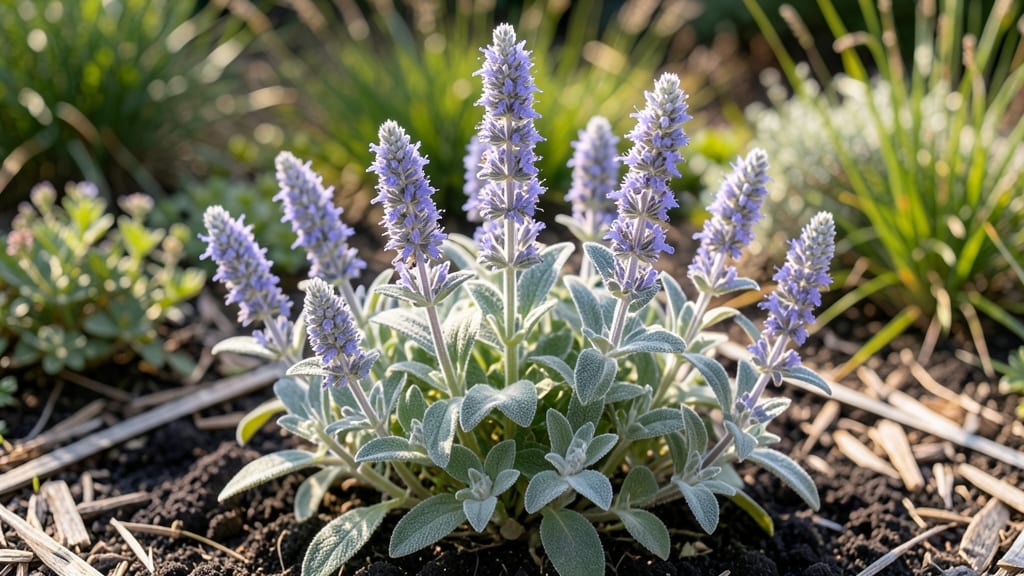
Your catmint’s purple spikes arrive like clockwork every spring, but timing varies wildly—from late May in Zone 5 to July in warmer climates. 🌿 The secret to predicting bloom time lies in understanding how cold snaps and daylight hours trigger those fragrant flower spikes, and how to extend their show well past summer’s end.
Catmint blooms twice—first in spring, then again in late summer—if you deadhead spent flowers and provide 6+ hours of sun daily. Many gardeners mistake it for a one-time bloomer, but with proper care, those velvety lavender plumes keep appearing from May through September in most regions.
Here’s the trick: prune back by ⅓ after the first flush to encourage a second wave. In hot climates, mulch heavily to retain moisture—the plants reward you with longer, denser blooms that hummingbirds can’t resist.
Even in short seasons, catmint thrives. In Zone 3, expect blooms 2-3 weeks later than Zone 6, but the same care rules apply. The key? Don’t overwater—catmint hates soggy roots, and that’s what shortens bloom time faster than anything else.
📚 In This Guide
- What you need
- Instructions
- Tips and common mistakes
- Wrapping up and next steps
What you need
- ● Catmint plants: Choose between perennial varieties (like ‘Walker’s Low’ or ‘Purpurascens’) or annuals (e.g., ‘Blue Spire’). Buy 3–5 plants for a full, lush look.
- ● Well-draining potting mix: 5–10 gallons (depending on container size). Use a blend with 50% perlite or sand to prevent root rot.
- ● Garden soil (for in-ground planting): Amend with compost (1 part compost to 3 parts soil) for nutrients.
- ● Organic fertilizer: A balanced 10-10-10 or slow-release granular (follow package rates for bloom time).
- ● Pruning shears: Sharp, bypass-style shears (for deadheading and shaping).
- ● Watering can or hose with a gentle spray nozzle: Catmint hates soggy roots—aim for 1 inch of water per week.
- ● Gloves: Heavy-duty garden gloves to protect against mildly prickly stems.
- ● Trowel or transplant spade: For digging holes or containers (use a 12-inch diameter for each plant).
- ○ Mulch (optional but recommended): 2–3 inches of straw or shredded bark to retain moisture and deter weeds.
- ● Sunlight checklist: Full sun (6+ hours/day) is a must. Test your spot with a sunlight tracker for 2 weeks before planting.
- ● Drought-resistant zone confirmation: Catmint thrives in USDA Hardiness Zones 3–9—check your zone here.
- ● 🌡️ Soil temperature: Wait until soil is at least 50°F (10°C) before planting seeds or cuttings.
- ● ✨ Container hack: Add 1 tbsp Epsom salt to potting mix for extra purple intensity!
- ● 🔥 Deadheading: Trim spent blooms right after flowering to encourage non-stop reblooming.
How to maximize catmint bloom time for Long-lasting purple spikes
Here's how I coax catmint into its longest, most vibrant flowering season every year.
🌱 Step 1: Choose the Right Variety and Planting Site
Catmint thrives in full sun (at least 6 hours daily) with well-draining soil. I always select Nepeta 'Walker's Low' for its compact habit and repeat blooms—it's the variety that delivers 3-4 weeks of continuous flowers if managed properly. Test your soil's drainage by digging a hole, filling it with water, and checking how quickly it drains; if it takes more than 30 minutes, amend with sand or gravel.
Plant in early spring after the last frost date in your zone. The key is spacing: give each plant 2-3 feet of room to spread. Crowding reduces airflow and invites fungal diseases like powdery mildew, which can cut bloom time short. I plant mine in raised beds for extra drainage—this is especially important if your native soil holds moisture.
☀️ Step 2: Provide Optimal Sun and Water for Peak Blooming
Catmint's purple spikes appear when it receives full sun exposure. If you notice leggy stems or sparse blooms, your plant isn't getting enough light. I rotate my containers a quarter turn weekly to ensure even growth. In hot climates, provide afternoon shade to prevent wilting—catmint tolerates heat but not intense midday sun combined with dry soil.
Water deeply once a week during the first growing season, allowing the top 2 inches of soil to dry between waterings. Overwatering leads to root rot, which stunts flowering. Once established, catmint becomes drought-tolerant, but you'll see the most abundant blooms if you maintain consistent moisture during the growing season. Mulch with 2-3 inches of organic mulch (like shredded bark) to retain soil moisture and suppress weeds.
✂️ Step 3: Prune Strategically to Extend the Bloom Season
The secret to prolonged blooming is deadheading and light pruning. As soon as the first flush of flowers fades, snip the spent blooms back to the next set of leaves. This encourages the plant to produce new flower spikes instead of going dormant. I use clean, sharp pruners and make cuts at a 45-degree angle just above a leaf node to promote bushier growth.
After the first major bloom cycle (usually 6-8 weeks after planting), give your catmint a light trim to shape it and remove any leggy growth. This stimulates a second flush of blooms in late summer. Avoid heavy pruning in fall—this can reduce hardiness over winter. The goal is to keep the plant compact and full, not to shear it aggressively.
🌿 Step 4: Fertilize for Long-Lasting Blooms
Catmint isn't a heavy feeder, but a balanced, slow-release fertilizer applied in early spring promotes lush foliage and abundant blooms. I use a 10-10-10 formula at half strength (about 1 tablespoon per plant) to avoid overfeeding, which can lead to excessive leaf growth at the expense of flowers. Avoid high-nitrogen fertilizers—they encourage leafy growth but reduce flowering.
In late summer, switch to a low-nitrogen, high-phosphorus fertilizer (like a 5-10-10) to support root development and flower production. This second feeding helps extend the bloom season into early fall. Water the soil thoroughly before applying fertilizer to prevent root burn, and always follow the package instructions for application rates.
⏰ Step 5: Prepare for Winter to Ensure Next Year's Blooms
Catmint is perennial in USDA zones 3-8, but it benefits from a little winter care to return with vigor. In fall, cut back the stems to 3-4 inches above the ground. This prevents the plant from becoming top-heavy with snow and reduces the risk of disease overwintering. I leave the leaves on the stems to provide some insulation during cold snaps.
Mulch heavily (3-4 inches) with straw or shredded leaves to protect the roots from freezing temperatures. In colder climates (zones 3-5), consider covering the plant with burlap or a frost blanket during the harshest winter months. This extra protection ensures the crown survives, so you'll get earlier and more abundant blooms the following spring.
Tips & tricks for extending catmint's vibrant purple bloom season
These are the hard-won secrets I’ve used to turn my catmint into a repeat-blooming showstopper every season.
Sunlight Strategy: That 6 hours of full sun is non-negotiable, but here’s the trick I learned after years of trial: if your catmint starts looking leggy before the 6 hours are up, it’s already too late for that day’s growth. Instead, rotate containers a quarter turn weekly to ensure all sides get equal exposure. In hot climates, afternoon shade isn’t about avoiding heat—it’s about preventing the plant from wilting before it can fully absorb morning sunlight. Think of it like scheduling a power nap for your plant.
Pruning Precision: When deadheading, don’t just snip the spent blooms—cut back to the next set of leaves at a 45-degree angle. This isn’t just for looks; it creates a larger surface area for new growth to emerge, and the angled cut prevents water from pooling on the stem, which can lead to rot. I’ve seen catmint plants produce three full flushes of blooms in a single season when pruned this way, compared to just one or two with random snips.
Fertilizer Timing: The 10-10-10 fertilizer in early spring should be applied when you see new growth emerging, not when the soil is still cold. Cold soil can burn roots, and that’s when you’ll get leafy growth instead of flowers. For the late summer 5-10-10 switch, I wait until after the first major bloom cycle—around 6-8 weeks after planting—because that’s when the plant is already directing energy toward roots and needs that phosphorus boost to push another set of blooms.
Winter Protection: That 3-4 inches of mulch isn’t just for insulation—it’s also about moisture retention. In my zone 5 garden, I’ve found that adding a layer of straw mulch in late fall keeps the soil temperature just warm enough to prevent freeze-thaw cycles that can heave roots out of the ground. And if you’re in zones 3-5, that burlap or frost blanket isn’t overkill—it’s the difference between a plant that barely survives and one that comes back stronger than ever.
Pro Tips for Catmint Bloom Time
- These are the hard-won secrets I’ve used to turn my catmint into a repeat-blooming showstopper every season.
- Instead, rotate containers a quarter turn weekly to ensure all sides get equal exposure.
- Pruning Precision: When deadheading, don’t just snip the spent blooms—cut back to the next set of leaves at a 45-degree angle.
Frequently asked questions
Got questions about catmint bloom time? You’re not alone! Here are answers to the most common ones—because every gardener deserves a little clarity (and maybe a few tips).
When does catmint typically bloom?
Catmint usually blooms in late spring to early summer (May–June), with some varieties reblooming in late summer or fall if deadheaded. Cool-season types like Nepeta faassenii may even bloom sporadically into autumn. Hardiness and climate play a role—northern gardens see earlier blooms, while southern zones might extend the season.
How long does catmint bloom last?
With proper care, catmint can bloom for 4–6 weeks per season (longer in mild climates). To extend the show, prune spent flowers regularly and fertilize lightly in early spring. Some varieties, like ‘Walker’s Low’, are known for their prolonged blooming—often rewarding gardeners with multiple flushes if conditions are ideal.
Why isn’t my catmint blooming?
If your catmint is leafy but not flowering, check these culprits:
- Over-fertilizing (too much nitrogen = lush foliage, fewer blooms).
- Poor sunlight (catmint craves 6+ hours of sun daily).
- Root-bound pots (transplant if growing in containers).
- Old age (after 3–4 years, rejuvenate with a hard prune in early spring).
Can I force catmint to rebloom?
Yes! To trigger a second bloom, deadhead spent flowers and prune back 1/3 of the plant after the first flush (around July). Avoid heavy pruning late in the season—it can stunt fall growth. Water consistently and ensure well-draining soil to support new blooms. Some gardeners swear by a light pinch of Epsom salt (1 tbsp/gal water) for a magnesium boost!
What’s a good alternative if catmint blooms late in my area?
If your climate delays catmint blooms, try these early-to-mid-season bloomers for color:
- Lavender (Lavandula) – Fragrant, drought-tolerant, blooms May–July.
- Russian sage (Perovskia atriplicifolia) – Purple spikes, blooms June–September.
- Salvia nemorosa – Drought-resistant, blooms May–July.
- Coneflower (Echinacea) – Long-lasting blooms from June to frost.
Wrapping up and next steps
Catmint’s fragrant purple blooms are a gardener’s dream—low-maintenance, drought-tolerant, and packed with pollinator love! 🌿 Whether you’re a seasoned green thumb or just starting, this hardy perennial rewards patience with years of vibrant color and soothing scent. The key? Sunlight, well-draining soil, and occasional pruning—simple steps for big rewards.
Ready to invite catmint into your garden? Start small with a single plant or go bold with a fragrant border. Grab your supplies and watch your space transform into a pollinator paradise! 🐝✨