
Succulent
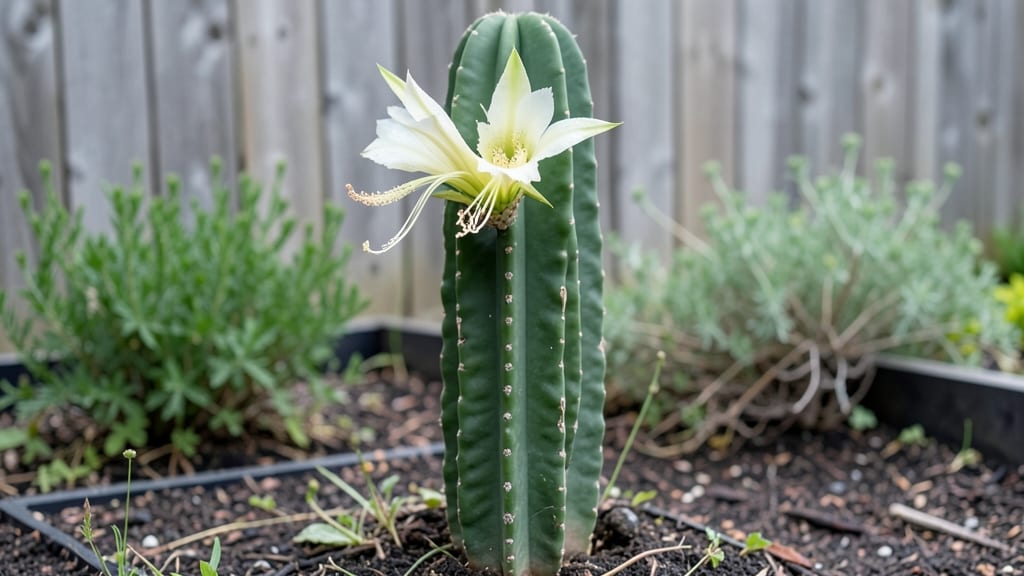
Your Cereus peruvianus bloom can transform your garden into a moonlit spectacle—but only if you master its night-blooming secrets.
Imagine a cactus that bursts into breathtaking white flowers under the moonlight—🌵 the Peruvian Night-Blooming Cereus does exactly that, but only when cared for correctly. If your plant has been dormant, these expert-backed strategies will finally coax those elusive night-blooming flowers to appear.
Most growers miss the mark by overwatering or skipping dormancy, but the real trick lies in light cycles and temperature control. With the right approach, you can trigger blooms in late spring, turning your desert garden into a fragrant paradise.
Below, I’ll walk you through the exact conditions—from 12-hour darkness to 60-80°F temps—that guarantee stunning white blooms, plus how to troubleshoot common mistakes.
How to trigger a Cereus peruvianus bloom: light, temperature, and water secrets
Cereus peruvianus thrives on precision—its night-blooming flowers appear only when it receives the perfect balance of darkness, warmth, and dormancy. Unlike many cacti, this species needs 12-14 hours of uninterrupted darkness daily to trigger blooming. Without this, your plant may stay dormant forever. The secret lies in mimicking its native desert conditions, where cool nights and dry spells signal it’s time to flower.
Most growers fail because they treat Cereus peruvianus like a typical cactus—watering too often and keeping it in constant light. But this plant is different: it’s a short-day plant, meaning it blooms when days shorten.
By adjusting your care routine in late winter, you can force blooms even in indoor containers. The key phases are light control, temperature shifts, and strategic watering—all timed to perfection.
Step-by-Step Light Schedule for Forcing Blooms
-
Step 1: Start Light Control in Late Winter
Begin February 1st by ensuring your plant gets 12-14 hours of darkness nightly. Use blackout curtains or move it to a dark closet for 14 hours after sunset. -
Step 2: Maintain Consistent Darkness
For 8-10 weeks, keep the plant in complete darkness during its night cycle. Even streetlights or LED glows can disrupt blooming. Use a timer-controlled grow light for morning light only. -
Step 3: Simulate Desert Heat
Daytime temperatures should stay between 60-80°F. If indoors, place it near a south-facing window or use a heat mat to maintain warmth. Avoid drafts or AC vents. -
Step 4: Reduce Watering Before Blooming
Cut watering to every 3-4 weeks starting in March. Let the soil dry completely between waterings to mimic desert drought. Overwatering prevents bud formation. -
Step 5: Watch for Buds in May
If successful, you’ll see white flower buds forming in late spring (May). These buds will open into 6-inch-wide blooms under moonlight. Keep the plant in low light until buds appear.
Temperature plays a critical role in blooming. While Cereus peruvianus loves heat during the day, it needs a 10°F drop at night to signal flowering. In USDA Zones 9b-11, this happens naturally, but indoors, you’ll need to mimic it with a fan or open window.
If your home stays above 75°F nightly, blooms may never form.
Watering is often the biggest mistake growers make. Unlike thirsty houseplants, Cereus peruvianus stores water in its stems. Overwatering leads to root rot and no blooms. Instead, water deeply but infrequently: soak the soil until water drains, then wait until the top 2 inches are bone-dry before repeating.
In summer drought conditions, you might water once every 3 weeks.
After blooms appear, reduce watering again to help the plant recover. The post-bloom period (July-August) is when your cactus stores energy for next year’s flowers. Avoid fertilizing—too much nitrogen promotes leafy growth at the expense of blooms.
Instead, let it rest in partial shade until September, when you can gradually reintroduce sunlight.
Pro tip: If your Cereus peruvianus is under 3 feet tall, it may not bloom yet. This species typically needs 3-5 years of maturity before producing flowers. Patience is key—young plants focus on stem growth, not blooming.
Meanwhile, ensure it gets full sun (6+ hours daily) and well-draining soil to reach flowering size faster.
For container growers, pot size matters. A 5-gallon pot is ideal—too small, and roots compete for nutrients; too large, and soil stays wet too long. Use a cactus/succulent mix with perlite to prevent soggy roots. If repotting, do it in early spring before the blooming window opens.
Finally, pollination can boost flower production. If you want more blooms next year, gently brush the stamens with a paintbrush on a moonlit night to transfer pollen between flowers. This mimics natural desert pollinators and encourages fruit set (though edible fruits are rare in this species).
With these science-backed adjustments, your Cereus peruvianus will reward you with stunning night-blooming flowers—a sight so rare, neighbors will think you’ve hired a gardening magician. 🌙🌸
Common mistakes that prevent Cereus peruvianus flowers (and how to fix them)
Your Cereus peruvianus might be mature enough to bloom, but if those elusive white flowers refuse to appear, you’re likely making one of these common care mistakes. The good news? Most issues are easily fixable with targeted adjustments. Let’s diagnose the root cause and restore your cactus’s blooming potential.
First, overwatering is the #1 blooming killer. Unlike desert natives, many growers drown their Peruvian night-blooming cactus by keeping soil too moist. This stresses the plant and diverts energy away from flower buds.
Then there’s inconsistent light exposure, where fluctuating sunlight confuses the plant’s internal clock, delaying or preventing blooms entirely.
⚠️
- Mushy stems: Sign of overwatering—stop watering immediately and repot in cactus mix.
- No buds by May: Your plant needs 12+ hours of darkness daily to trigger blooms.
- Yellowing tips: Nutrient deficiency—switch to a low-nitrogen fertilizer (5-10-10).
- Stunted growth: Insufficient sunlight—move to full sun (6+ hours daily).
- Dropping buds: Temperature swings—keep nights above 60°F.
💡 Quick Fix: Adjust one issue at a time—start with watering, then light, then fertilizer.
Let’s tackle the top 5 blooming blockers one by one. First up: overwatering. Your Cereus peruvianus stores water in its thick stems, so it only needs water every 10-14 days in summer and monthly in winter.
If the soil stays damp for more than 3 days, you’re overdoing it. Let the top 2-3 inches dry out before watering again—this mimics its natural desert conditions.
Next, inconsistent light throws off the plant’s blooming cycle. These cacti need full sun (6+ hours daily) to produce flowers, but they also require 12-14 hours of darkness to trigger buds. If your plant gets artificial light at night (like porch lights or street lamps), it won’t bloom.
Move it away from light pollution and ensure it gets uninterrupted darkness for at least 12 hours.
Nutrient imbalances are another sneaky culprit. Too much nitrogen (common in general-purpose fertilizers) promotes leafy growth but stops flowers in its tracks. Switch to a low-nitrogen, high-phosphorus fertilizer (like 5-10-10) in early spring to encourage blooming. Apply it lightly—just 1 tablespoon per plant—every 6-8 weeks during the growing season.
Don’t overlook temperature fluctuations, either. While your Cereus peruvianus thrives in 60-80°F days, it needs cooler nights (55-65°F) to set buds. If your home stays too warm at night (like 75°F+), the plant won’t bloom.
Try placing it near a south-facing window during the day but move it to a cooler room at night if indoors, or grow it outdoors in USDA Zones 9b-11.
Finally, lack of dormancy can halt blooms. These cacti need a 4-6 week rest period in winter (fall/winter) to reset their cycle. Reduce watering to once a month and stop fertilizing entirely.
If you live in a warm climate, mimic dormancy by moving the plant to a shadier spot and keeping it dry until spring.
Ready to troubleshoot?
Grab a notebook and check off these diagnostic steps: ☑️ Is the soil dry 2-3 inches down before watering? ☑️ Does the plant get 6+ hours of direct sun daily? ☑️ Are nights cooler than days (55-65°F at night)? ☑️ Did you use a low-nitrogen fertilizer this spring? ☑️ Has the plant had a dry rest period in winter? 🌵