
Blooming
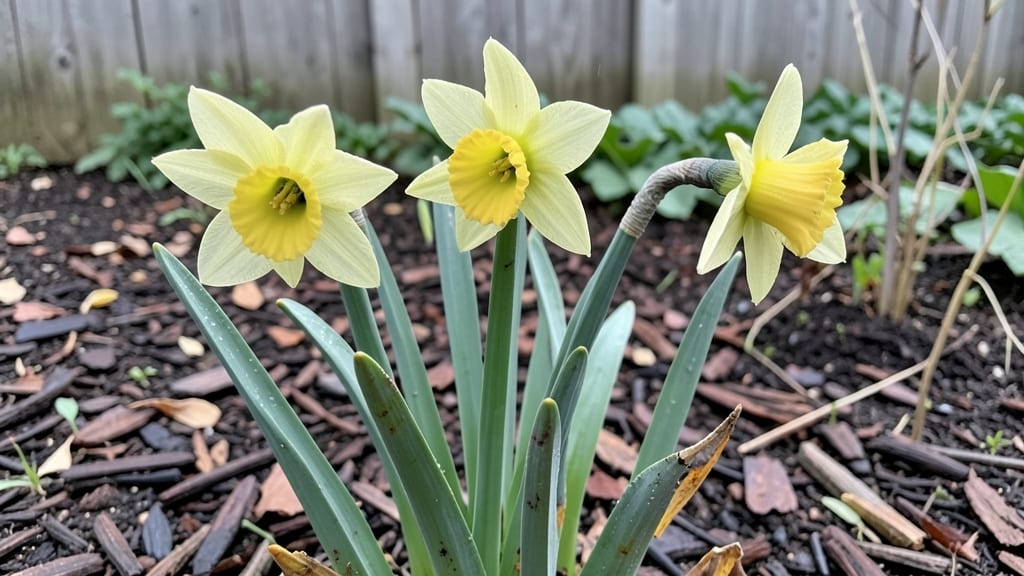
Timing isn't just about the calendar—it's a dance between nature and nurture. 🌱 Cooler climates like the Pacific Northwest often see blooms stretching into May, while warmer Southern regions may start as early as January.
I've noticed that well-drained soil and full sunlight can push early varieties like 'Tête-à-Tête' to bloom weeks ahead of schedule, while heavy shade might delay even the hardiest types.
What's fascinating is how regional microclimates create these variations. For example, coastal areas tend to have milder winters that trigger earlier blooms compared to inland regions at the same latitude.
This is why gardeners in Zone 5 might see their daffodils pop in late March, while those in Zone 8 could enjoy them as early as December.
💡 In This Article
- Factors Influencing Daffodil Bloom Timing
- Best Regions for Year-Round Daffodil Displays
Factors influencing daffodil bloom timing
Here's what's actually happening beneath the surface: daffodils are triggered to bloom by a combination of daylight hours and soil temperatures. These plants use a process called vernalization—a cold-induced flowering response—that requires exposure to temperatures between 35-45°F for 8-12 weeks during dormancy.
Once satisfied, they need 12-14 hours of daylight to kickstart flower development. This explains why early bloomers like 'Tête-à-Tête' emerge first—they've adapted to shorter daylight periods and milder winter chills.
The USDA hardiness zones play a massive role in timing variations. In Zone 3 (like Minnesota), daffodils may not bloom until late April due to harsher winters, while Zone 9 (like Southern California) can see blooms as early as December.
What most people don't realize is that microclimates within a single zone create even more variation. For example, a south-facing slope in Zone 5 might be 5-10°F warmer than the surrounding area, triggering earlier blooms by 2-3 weeks. This localized warmth accelerates soil thawing and root activity.
Variety genetics determine the sequence you see in gardens. Early cultivars like 'Jonquil' have shorter stems and smaller blooms, allowing them to push through snow earlier. Their flower buds form 6-8 weeks before blooming, while late varieties like 'Ice Follies' take 10-12 weeks of development.
The key factor is their chilling requirement: early types need only 400-600 hours below 40°F, while late types require 800-1,000 hours. This genetic programming explains why you'll see a staggered display from February through May in most regions.
Soil temperature matters more than air temperature for timing. Daffodil roots need soil to reach 50°F before active growth begins. In heavy clay soils, this can be delayed by 1-2 weeks compared to sandy loam.
That's why gardeners in wet climates often see later blooms—the excess moisture keeps soils cooler longer. 🌱 The best blooms come from well-drained soil that warms quickly in spring, creating ideal conditions for root activity to match the daylight triggers.
Let's talk about light exposure—this is where regional differences become dramatic. Coastal areas with milder winters (like Seattle) often see blooms 3-4 weeks earlier than inland locations at the same latitude. The ocean moderates temperatures, creating a longer growing season.
In contrast, continental climates (like Chicago) experience more extreme temperature swings, which can delay blooms until late April. What's fascinating is how artificial light can actually prevent blooming—daffodils need complete darkness for 10-12 hours daily during their development phase.
Here's a practical tip: if you want to extend your daffodil season, plant early and late varieties in the same location. The 2-3 week difference between 'Tête-à-Tête' and 'Ice Follies' creates a continuous display.
For maximum impact, choose varieties with staggered bloom times—this is how professional displays achieve their stunning, prolonged color shows. The secret lies in understanding each variety's specific chilling requirement and matching it to your local climate patterns.