
Blooming
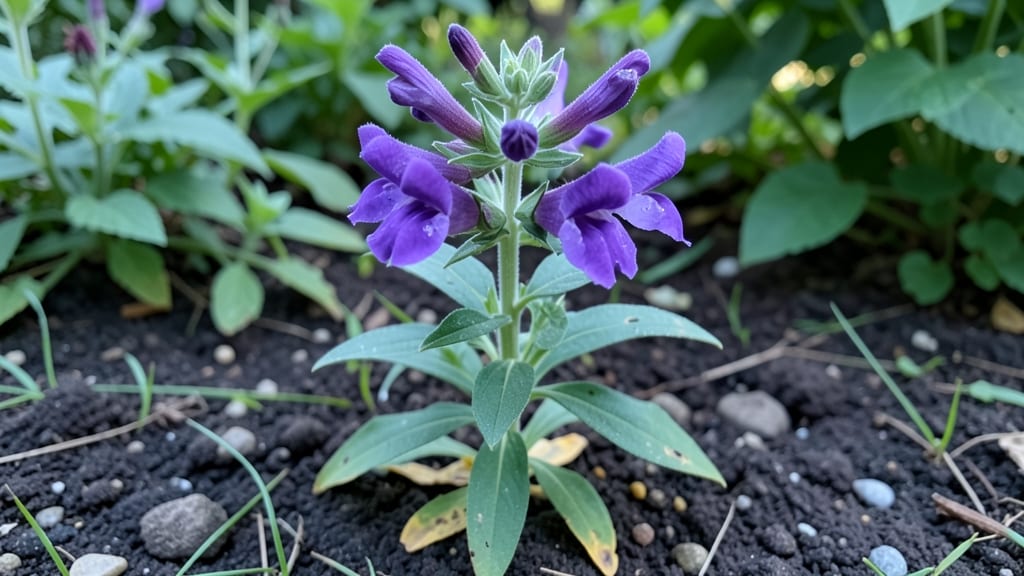
Snapdragon blooming season typically spans from late spring through early fall, with peak flowering in summer months like June and July. Proper care like deadheading and balanced sunlight can extend their vibrant blooms well into autumn.
These flowers thrive when they receive at least 6-8 hours of sunlight daily, but their blooming window can shift slightly depending on your region. 🔥 In cooler climates, snapdragons often start flowering in early June and may continue until first frost, while warmer zones might see extended blooms through September or even October with consistent care.
Understanding your local microclimate helps predict when to expect those signature spikes of color in your garden.
What’s fascinating is how snapdragons respond to temperature changes—they’ll often pause blooming during extreme heat or cold snaps, only to rebound once conditions stabilize. This adaptability makes them a favorite for gardeners who want long-lasting displays without fuss.
I’ve found that mulching around the base helps regulate soil temperature, giving those blooms a fighting chance even in unpredictable weather patterns.
💡 In This Article
- Factors Influencing Snapdragon Flowering Times
- Tips to Prolong Snapdragon Blooms in Gardens
Factors influencing snapdragon flowering times
Here's what's actually happening with those vibrant snapdragon blooms: their flowering cycle is primarily triggered by a combination of daylight duration and temperature thresholds. Snapdragons are what botanists call "long-day plants," meaning they respond to increasing daylight hours.
When days reach 12-14 hours of sunlight—typically in late spring—they enter their active blooming phase. This photoperiodic response is controlled by a plant hormone called florigen, which is produced in leaves when exposed to sufficient light.
The temperature sweet spot for snapdragon blooming sits between 60-75°F during the day, with cooler nights around 50-55°F. This diurnal temperature variation is crucial—it mimics natural seasonal shifts and signals the plant to allocate energy toward flower production rather than foliage growth.
However, when temperatures climb above 85°F or drop below 45°F, the plants often go into a temporary dormancy mode, halting bloom production until conditions stabilize. 🌡️ This explains why you might see snapdragons pause flowering during heatwaves or early spring frosts.
Climate zones play a massive role in these timing variations. In USDA Zone 5, where winters are harsh, snapdragons typically begin blooming in late May or early June and may continue until first frost in October.
In warmer Zone 9 areas, the flowering window can stretch from March through November, with minimal interruption. The key factor is how quickly your region transitions between seasons—rapid temperature swings can disrupt the delicate balance that triggers continuous blooming.
What most people don't realize is how soil temperature affects root activity. Snapdragon roots need soil temperatures above 55°F to actively absorb water and nutrients, which directly impacts flower production. In cooler climates, gardeners often see delayed blooming because the roots take longer to warm up in spring.
This is why mulching with 2-3 inches of organic matter can make a dramatic difference—it insulates the roots and helps maintain that critical temperature range for longer periods.
Daylight hours also create regional variations. Snapdragons planted in Alaska (where daylight can exceed 18 hours in summer) will bloom differently than those in Florida (with more consistent 10-12 hour days).
The northern plants may experience more continuous blooming during peak summer months, while southern plants might have staggered blooms throughout the year. This geographical adaptation explains why snapdragons are such versatile garden performers across diverse climates.
Even within the same region, microclimates can create noticeable differences. A south-facing garden bed might see blooms 2-3 weeks earlier than a north-facing one due to increased sunlight exposure.
Similarly, urban areas with heat island effects can experience 5-10°F warmer temperatures than surrounding rural areas, potentially extending the blooming season by several weeks. Understanding these microclimate factors lets you strategically place snapdragons for optimal performance in your specific garden conditions. ✨