
Blooming
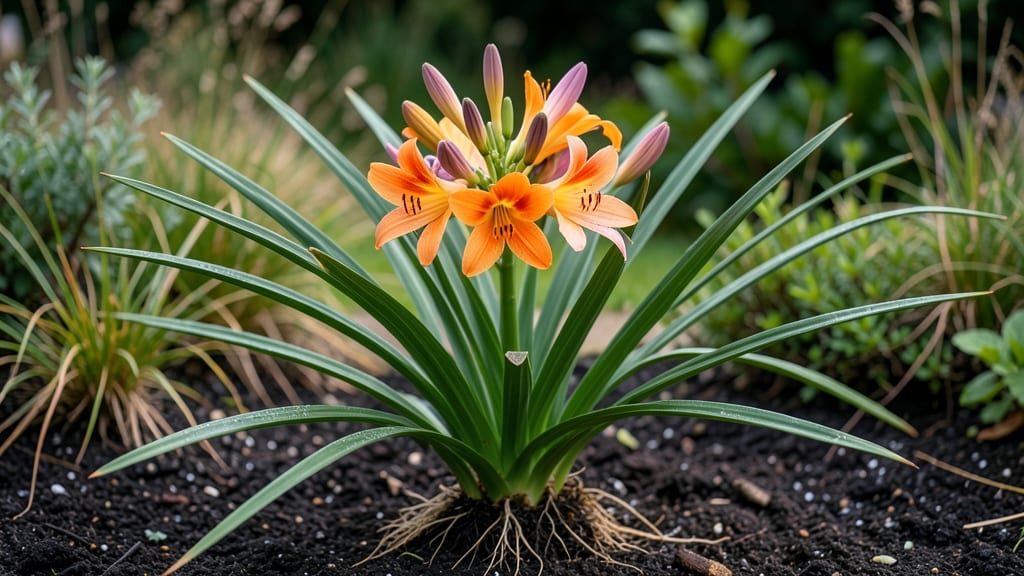
The day lilies bloom time depends entirely on heat thresholds and your hardiness zone, not just the calendar — and that’s the secret to timing their stunning 🌸 displays just right.
If you’ve ever wondered why your day lilies bloom at different times—or why some varieties seem to defy the seasons—understanding their heat-triggered bloom cycles is the key to unlocking a garden full of vibrant color.
In USDA Zone 6a, most day lilies wait until soil temperatures hit 75°F+ in late May or early June, but early bloomers like 'Stella de Oro' can burst into color as soon as mid-May. Meanwhile, late varieties like 'Kwanso' may linger well into August, especially in hotter microclimates.
Below, I’ll break down how to predict bloom times for your region, adjust care to extend flowering, and even coax a second round of blooms from reblooming varieties—so you can enjoy those showstopping 🌸 blooms for weeks, not just days.
When do day lilies bloom? Heat zones and seasonal triggers
Day lilies (Hemerocallis) are famous for their heat-activated blooming, but their exact timing depends on USDA hardiness zones and summer heat thresholds.
Most varieties trigger blooms when daytime temperatures consistently reach 75°F (24°C) or higher, though early bloomers may start as early as late May in warm zones. Understanding these triggers helps you predict—and even adjust—when your garden will burst with color.
The science behind day lily blooms involves a fascinating process called thermoperiodism. These plants require a specific temperature range during the day to produce flower buds. In cooler zones (like USDA Zone 5), blooms often appear 4-6 weeks later than in hotter climates (Zone 8+).
This delay isn’t just about warmth—it’s also tied to daylight length and soil temperatures.
Here’s how USDA zones and heat thresholds shape bloom times:
Day lilies also exhibit variety-specific blooming patterns. Early bloomers like 'Stella de Oro' often start in late May, while late varieties like 'Kwanso' may not peak until August.
This diversity lets gardeners create sequential bloom displays by mixing varieties. For example, planting 'Happy Returns' (mid-season) alongside 'Pardon Me' (late) ensures continuous color from June through September.
The reblooming trait further complicates timing. Single-bloom varieties (like 'Gravitat') produce one flush of flowers, while rebloomers (like 'Evening Star') may produce 3-4 bloom cycles per season if given proper care.
Rebloomers often need consistent moisture and fertilizer to sustain multiple blooming periods, especially in hotter climates where stress can shorten their season.
Daylight length also plays a role, though it’s secondary to heat. In northern latitudes, shorter summer days can shorten bloom duration, while southern gardens often enjoy longer displays.
This is why Zone 7 gardeners might see blooms stretch from June to October, while Zone 4 gardeners may only get 4-5 weeks of color. To extend blooms, focus on soil health and deadheading—removing spent flowers encourages new buds to form.
One common misconception is that day lilies bloom only once per day. While each individual flower lasts just 24 hours, the plant produces new buds continuously during its bloom season. This creates the illusion of non-stop color, especially in reblooming varieties.
For example, a single 'Happy Returns' plant can produce 100+ flowers per season, with new blooms opening every few days.
To predict bloom times in your garden, start by noting your last frost date and average July temperatures. Add 4-6 weeks to your last frost date for an estimated bloom start in cooler zones. In warmer areas, subtract 2-3 weeks from this estimate.
For instance, if your last frost is April 15 and you’re in Zone 7, expect blooms around mid-June. Adjust for microclimates—south-facing slopes bloom earlier than shady spots.
If your day lilies aren’t blooming on schedule, check these three critical factors: 1. Sunlight exposure: Day lilies need 6+ hours of full sun daily. Shade delays blooming.
- Soil fertility: Poor soil? Amend with compost or balanced fertilizer (10-10-10) in early spring.
- Water consistency: Overwatering or drought stress can halt bloom production.
Pro tip: Use a garden journal to track bloom dates across varieties. Over 3 years, you’ll spot patterns unique to your climate. For example, I noticed my 'Pardon Me' day lilies in Zone 6 bloom 10 days later after a cool spring.
Armed with this data, I adjusted my planting schedule to include earlier varieties like 'Stella de Oro' for a longer display
Top 5 day lily varieties ranked by bloom time and heat tolerance
Day lilies are famous for their heat-triggered blooms, but not all varieties bloom at the same time. Some varieties burst into color in early June, while others wait until late August.
Understanding these differences helps you create a continuous bloom show in your garden. Here’s how the top 5 varieties stack up for bloom time and heat tolerance.
If you live in USDA Zones 5-9, these varieties will thrive and reward you with stunning flowers. The key to their success? Consistent warmth—most varieties need temperatures above 75°F to trigger blooming. Let’s dive into the rankings, starting with the earliest bloomers that rebloom reliably.
'Stella de Oro' is the earliest bloomer on this list, often bursting into golden-yellow flowers in early June. This compact variety thrives in Zones 4-9 and is drought-tolerant once established. Its reblooming tendency makes it a favorite for gardeners who want continuous color through summer. The trade-off? It may fade slightly in extreme heat if not kept well-watered.
For mid-season blooms in July, 'Happy Returns' is the star. This variety lives up to its name by reblooming prolifically and producing pink and gold flowers that last for weeks.
It’s perfect for Zones 5-9 and handles humid climates better than most. The secret to its success? Regular deadheading to encourage more blooms and a balanced fertilizer in early spring.
If you love dramatic, late-season blooms, 'Kwanso' delivers with its deep red flowers that appear in late August. This variety is less heat-tolerant than others but excels in cooler microclimates within Zones 6-9.
Its unique, ruffled petals make it a showstopper, though it may bloom only once per season unless given extra care.
Rounding out the top 5 are 'Pardon Me', a reblooming purple variety with July blooms, and 'Diana', a pale yellow that blooms in late July. Both are heat-lovers and thrive in Zones 5-9, but 'Diana' is slightly more drought-resistant once established.
For a longer bloom season, plant a mix of these varieties to ensure color from June through August.
To maximize your day lilies’ bloom potential, plant them in full sun and well-draining soil. Mulch around the base to retain moisture and protect roots during heatwaves. With the right variety mix, you’ll enjoy vibrant blooms for months—and maybe even attract hummingbirds to your garden! 🌸