
Blooming
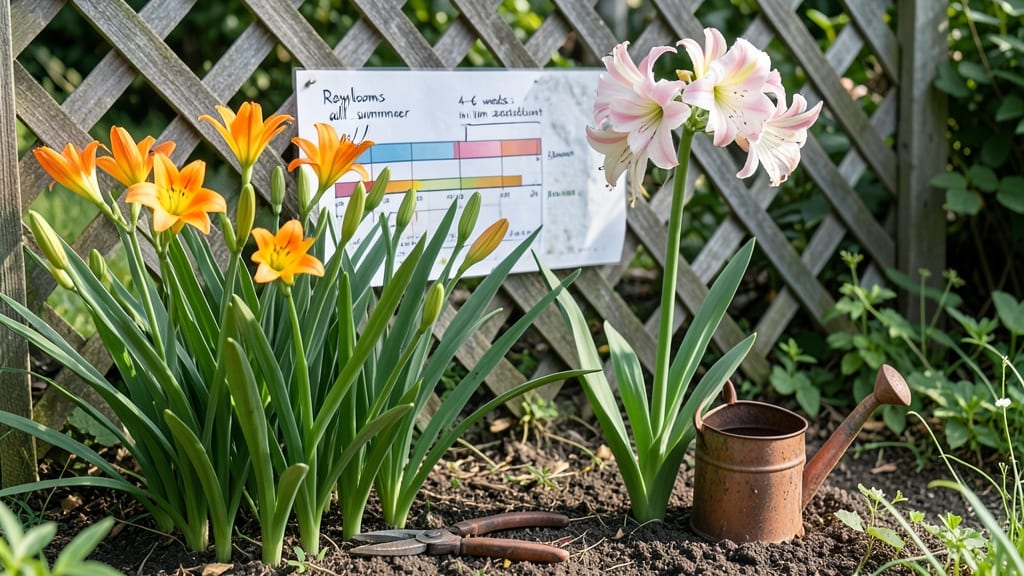
Lilies don't bloom all summer—most varieties produce flowers for just 2-3 weeks during late spring or early summer, though certain reblooming hybrids like Stargazer or Casa Blanca may occasionally show sporadic blooms later in the season.
Lilies follow a natural bloom cycle tied to seasonal changes, with most species conserving energy for one spectacular display per year. 🌸 The timing aligns with peak sunlight and temperature conditions, which trigger their flowering mechanism.
Reblooming varieties require extra care—think consistent moisture, balanced fertilization, and proper winter dormancy—to encourage secondary blooms. Even then, summer flowers are often smaller or less abundant than the spring display.
For gardeners hoping to extend the bloom season, focus on variety selection first—some tropical lilies like Lilium longiflorum may produce staggered blooms, while Asiatic hybrids typically stick to one cycle.
The key is understanding your specific lily's needs: Stargazer lilies, for example, often reward patient gardeners with late-season blooms if given rich, well-draining soil and protection from harsh winds.
💡 In This Article
- Lily Bloom Cycles: Why Most Varieties Flower Once
- How to Encourage Reblooming Lilies for Extended Summer Flowers
Lily bloom cycles: why most varieties flower once
Lilies follow a strict biological clock tied to seasonal cues called photoperiodism, where daylight length triggers their bloom cycle.
Most temperate lily varieties—like the popular Asiatic and Martagon types—evolved to bloom once annually during their peak growing season, typically late spring to early summer when daylight reaches 14-16 hours.
This timing ensures their energy isn't wasted on multiple blooms when survival depends on storing nutrients for winter dormancy. 🌿 The flower buds form underground during the previous growing season, so by summer, the plant is simply expressing what it's been preparing for months.
The energy trade-off is dramatic: a single spectacular bloom cycle demands all available resources. For example, a Stargazer lily might invest 80% of its photosynthetic output into producing 10-20 large, fragrant blooms over 2-3 weeks, leaving little for secondary growth.
Tropical lilies like Lilium longiflorum (Easter lily) can produce staggered blooms because they don't experience true dormancy, but even these typically focus energy on one main flush. The exception?
Reblooming hybrids like Casa Blanca have been selectively bred to produce 20-30% smaller secondary blooms later in the season, sacrificing showiness for quantity.
Temperature plays a crucial role in this cycle. Most lilies need 60-70°F daytime temps to trigger flowering, but they also require a period of cooler nights (50-55°F) to set flower buds. This vernalization process—similar to what bulbs need—happens in late winter/early spring.
If summer heat arrives too early (like in Zone 8+ climates), lilies may skip flowering entirely or produce weak blooms. The plant's priority shifts to bulb development for next year's display rather than extending the current one.
There's a fascinating chemical mechanism at work too: lilies produce floral inhibitors after their main bloom cycle to prevent premature secondary growth. These compounds block hormone signals that would trigger new flower buds. Only when gardeners intervene—through precise pruning, fertilization timing, or winter care—can they override this natural shutdown.
For instance, leaving seed pods on reblooming varieties signals the plant to conserve energy, while removing them early can encourage a second (though often smaller) bloom cycle.
Consider this comparison: a single-bloom Asiatic lily might produce 15-20 flowers over 2 weeks, while a well-cared-for reblooming Stargazer could yield 8-12 flowers in spring and 5-8 smaller blooms in late summer. The trade-off is clear—quantity versus quality.
Even tropical lilies that seem to bloom continuously are often staggering production from different stems rather than true simultaneous blooming. This biological efficiency explains why most gardeners see lilies as one-season wonders unless they take specific steps to encourage reblooming.
The good news? Understanding these natural limits means you can work with your lilies rather than against them. For example, planting multiple varieties with staggered bloom times (like early-blooming Asiatic types followed by Oriental hybrids) creates the illusion of continuous summer color.
The key is matching each variety's native growing conditions to your climate—something I'll explore in the next section on encouraging reblooming. 🌸