
Pests
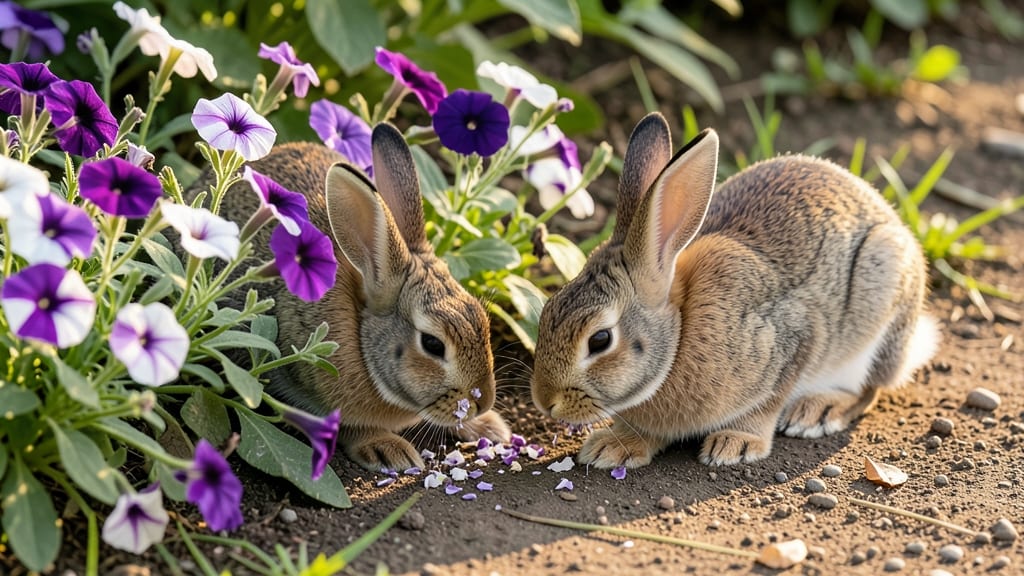
Rabbits do eat petunia flowers and foliage, as they are non-toxic but may damage plants by nibbling leaves, buds, and blooms. Petunias are safe for rabbits to consume but can harm garden aesthetics and plant health if overgrazed.
While petunias won’t poison rabbits, these plants are like an all-you-can-eat buffet for hungry bunnies—especially the tender new growth and blooms. 🌸 The soft leaves and sweet scent make them irresistible, which is why you’ll often spot rabbits munching in gardens where petunias thrive.
Unlike toxic plants, petunias won’t harm rabbits, but the damage to your garden’s appearance and plant health can be just as frustrating.
This isn’t just about aesthetics, though. Overgrazing can stunt flower production and weaken stems, leaving your garden looking ragged by midseason.
The key is balancing rabbit safety with plant protection—since petunias are safe for rabbits to eat, the real challenge becomes keeping them from turning your prized flowers into a salad bar.
💡 In This Article
- Why Rabbits Target Petunia Plants in Gardens
- Protecting Petunias from Rabbit Damage: Natural Deterrents
Why rabbits target petunia plants in gardens
Rabbits are drawn to petunias primarily because they offer an irresistible combination of soft texture and high moisture content.
The young, tender leaves and buds have a water content of about 85-90%, making them easy to digest and hydrating—especially appealing during dry seasons when wild forage may be scarce. 🌿 Unlike tougher plants with fibrous stems, petunia foliage requires minimal chewing effort, which is a major factor in a rabbit's foraging decisions.
The scent also plays a role—petunias emit a mild, sweet aroma that can attract rabbits from up to 10-15 feet away, particularly during dawn and dusk when these creatures are most active. This is when their natural foraging instincts kick into high gear, as they search for fresh greens.
What most gardeners don't realize is that petunias rank higher on a rabbit's "preference scale" than many other garden plants because they lack the bitter compounds found in rabbit-resistant species like lavender or snapdragons.
Seasonal patterns further explain why petunias become a rabbit buffet.
Spring and early summer are peak times because new growth emerges rapidly, offering rabbits a constant supply of fresh, nutrient-rich leaves. 🌸 In contrast, mature petunia plants develop slightly tougher leaves and may produce alkaloids in response to stress, which can make them less appealing—but by then, the damage to your garden's appearance is already done.
Here's what sets petunias apart from other plants in a rabbit's diet: their accessibility. Unlike ground-level plants that require digging, petunias often grow at 6-12 inches tall—perfect for a rabbit's mouth level. This height makes them easier to reach than taller plants while still being more protected than low-growing herbs.
The contrast with rabbit-resistant plants like marigolds (which contain pyrethrin, a natural insecticide) highlights why petunias get targeted first in mixed gardens.
Another key factor is the plant's growth habit. Petunias spread outward rather than growing upward, creating a dense mat of leaves that rabbits can graze without breaking their posture. This horizontal growth pattern contrasts sharply with vertical plants like sunflowers, which rabbits avoid due to their height and structural rigidity.
The combination of these factors—soft texture, high moisture, sweet scent, and easy access—explains why petunias become a rabbit's garden snack of choice.
What this means for gardeners is that petunias aren't just vulnerable—they're actively sought after.
The challenge becomes creating a garden where these beautiful flowers can thrive without becoming a rabbit's all-you-can-eat salad bar. 🌱 The solution lies in understanding these preferences and implementing targeted protection strategies that work with a rabbit's natural behaviors rather than against them.