
Blooming
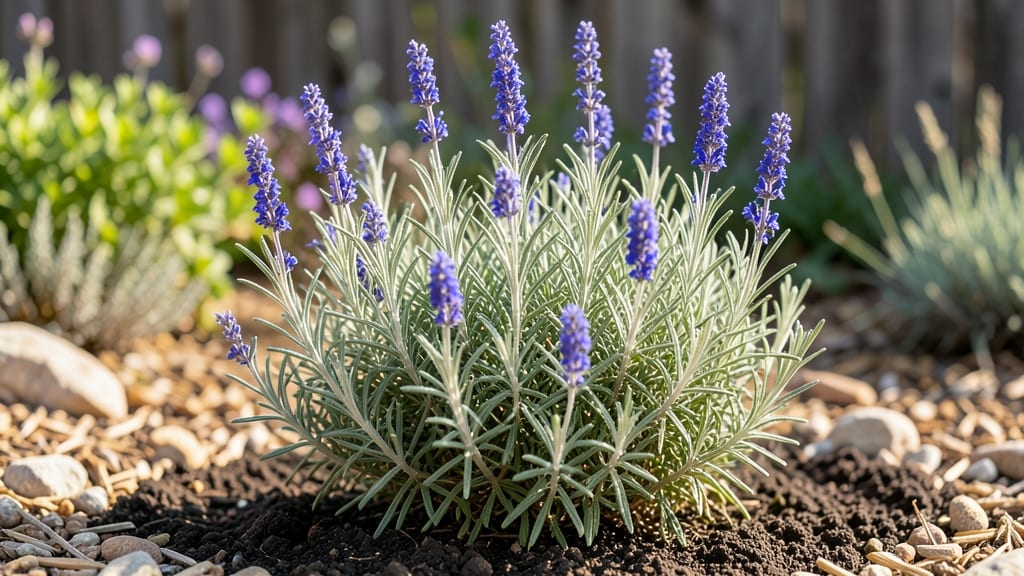
Salvias do not bloom all summer long, as their flowering patterns are seasonal—usually peaking in spring and early fall—with reblooming opportunities that vary by species, pruning habits, and your local climate. Perennial types like Salvia nemorosa can be encouraged to flower again with proper deadheading, while annual varieties like Salvia splendens typically complete their bloom cycle in one season.
Most salvias follow nature's seasonal rhythm, with their peak bloom periods tied to temperature shifts and daylight hours. 🌸 The key to encouraging extended blooms lies in understanding your specific variety—perennials often need a mid-season trim to stimulate new growth, while annuals may reward you with prolonged color if you remove spent flowers regularly.
I've found that well-draining soil and consistent moisture (but never soggy roots) make all the difference in keeping salvias happy and flowering longer.
For example, Salvia officinalis (common sage) tends to bloom in early spring, while Salvia leucantha (Mexican bush sage) often puts on a second show in late summer. The secret? Prune back by one-third after the first flush of blooms to encourage bushier growth and more flowers.
Just remember—salvias are tough plants that reward patience with stunning seasonal displays, not nonstop summer color.
💡 In This Article
- Salvia Blooming Cycles: Perennial vs Annual Varieties
- How to Extend Salvia Blooms: Pruning and Care Tips
Salvia blooming cycles: perennial vs annual varieties
Salvias follow distinct biological rhythms that determine their blooming patterns. Perennial varieties like Salvia nemorosa (woodland sage) are hardy plants that store energy in their roots during winter dormancy, then burst into vibrant blooms in late spring to early summer.
These plants typically produce a single flush of flowers unless stimulated by proper care. Annual salvias, such as Salvia splendens (scarlet sage), complete their entire life cycle in one growing season, focusing all energy on a single, spectacular bloom period that usually peaks in mid-summer.
The key difference lies in their growth strategies: perennials prioritize root development and energy storage, while annuals devote everything to rapid above-ground growth and reproduction.
In USDA zones 5-10, temperature shifts trigger these cycles—cool spring nights and warm days stimulate bud formation, while prolonged heat can cause annuals to bolt prematurely.
For example, Salvia officinalis (culinary sage) often blooms in early spring when days are still cool, while Salvia leucantha (Mexican bush sage) responds to late summer heat with its second flush of velvety purple blooms.
What most gardeners don't realize is how daylight length influences these patterns. Salvias are day-neutral plants, meaning they don't strictly require short or long days to bloom, but they do respond to temperature fluctuations.
When nighttime temperatures drop below 60°F after a hot day, it signals the plant to initiate flowering. This is why you often see salvias bloom in spring and fall when temperature swings are more pronounced.
In warmer climates, this cycle may extend into early summer, but true all-summer blooming isn't typical without human intervention.
Climate plays a crucial role in determining how long salvias will flower. In USDA zone 8, where I garden, perennials like Salvia nemorosa might produce two bloom cycles with proper care, while in colder zone 5, they may only bloom once before entering dormancy.
Annuals like Salvia splendens will typically complete their bloom cycle in 8-12 weeks unless deadheaded regularly to encourage new flower stems. The plant's natural strategy is to conserve energy for seed production rather than prolonged flowering.
Here's what's actually happening at the cellular level: Salvias produce hormones called florigen when they detect the right temperature and day length cues. This hormone triggers the development of flower buds from undifferentiated stem cells. Once flowering begins, the plant shifts resources from leaf production to flower and seed development.
This biological trade-off explains why salvias don't continue blooming indefinitely—they're following their evolutionary programming to maximize reproductive success rather than provide continuous color.
Consider these key factors when planning your salvia garden:
- Perennial varieties: Look for types like Salvia nemorosa or Salvia microphylla that naturally produce multiple bloom cycles with proper care
- Annual varieties: Choose Salvia splendens or Salvia coccinea for vibrant summer color, understanding they'll complete their cycle in one season
- Climate adaptation: In hotter zones, select heat-tolerant varieties like Salvia leucantha that thrive in summer conditions
- Soil preparation: All salvias prefer well-draining, slightly alkaline soil (pH 6.5-7.5) to prevent root rot and encourage healthy growth
The bottom line is that while salvias won't provide nonstop summer color, understanding their natural cycles allows you to create a stunning, sequential display throughout the growing season.
With the right varieties and care techniques, you can enjoy blooms from early spring through fall—just don't expect them to perform like tropical annuals that flower continuously. 🌿