
Blooming
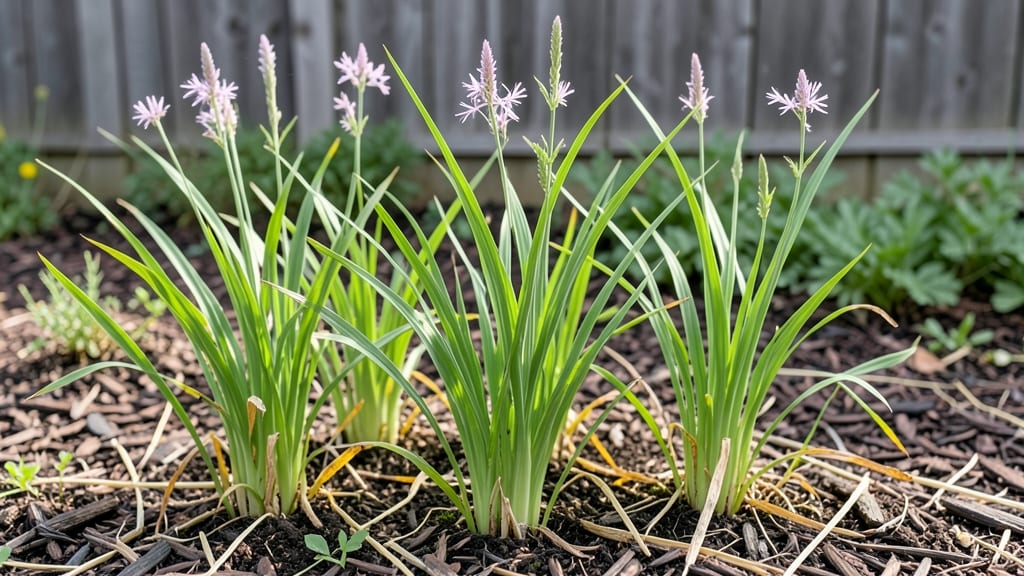
Citronella plants typically do not bloom under standard home cultivation because they focus energy on growth and fragrance production. Blooms may appear in tropical climates or with specialized care, but most varieties prioritize aromatic leaves over flowers. Pruning and proper conditions can encourage occasional flowering, though it’s rare for common garden types.
Citronella plants are all about that aromatic punch—their primary purpose is churning out those signature oils that repel mosquitoes, not producing showy blooms. 🌿 In their natural tropical habitats, they might occasionally flower, but most garden varieties, like Cymbopogon winterianus, are bred to maximize leaf production and fragrance rather than reproductive energy.
Even with ideal care, you’ll likely get more scent than blossoms, though a well-maintained plant might surprise you with a few delicate spikes in late summer.
That said, if you’re dead set on flowers, you’ll need to tweak conditions—think warm, humid microclimates and phosphorus-heavy soil to nudge the plant toward blooming. I’ve found that pruning back leggy stems in early spring can redirect energy, but don’t expect miracles unless you’re mimicking a tropical greenhouse environment.
Most gardeners, though, are perfectly happy letting their citronella focus on what it does best: keeping bugs at bay.
💡 In This Article
- Citronella Plant Growth Priorities: Why Leaves Over Flowers
- Encouraging Citronella Blooms: Expert Techniques for Gardeners
Citronella plant growth priorities: why leaves over flowers
Here's what's actually happening in your citronella plant: it's following a hardwired botanical priority system. These plants, particularly Cymbopogon winterianus, evolved to allocate nearly all their energy to producing essential oils in their leaves rather than flowering.
The oils, containing citronellal and geraniol compounds, are their primary defense mechanism and survival tool in the wild. In fact, studies show that tropical grasses like citronella can devote up to 80% of their metabolic energy to volatile oil production during their growth phase.
The key factor is this plant's natural habitat. Native to Southeast Asia and Madagascar, citronella thrives in tropical climates with consistent warmth and humidity. In these conditions, the plant receives continuous signals to prioritize leaf growth and oil production over reproductive efforts.
The Cymbopogon nardus variety, for example, produces more geraniol-rich oils, while Cymbopogon winterianus focuses on citronellal—both at the expense of flowering. Even when grown in temperate zones, the plant's genetic memory keeps it focused on aroma production rather than blooming.
Sunlight plays a crucial role in this energy allocation. Citronella plants need 6-8 hours of direct sunlight daily to maximize oil production. When light levels drop below this threshold, the plant redirects energy to survival rather than reproduction.
The soil composition matters too—well-draining, slightly acidic soil (pH 6.0-6.5) with adequate phosphorus supports robust leaf growth. Most gardeners unknowingly create perfect conditions for leaf production while accidentally starving the plant of the specific nutrients needed for flowering.
What most people don't realize is how watering patterns affect this balance. Citronella plants prefer consistent moisture but hate waterlogging. When you maintain even moisture levels, the plant focuses on expanding its leaf surface area to maximize oil production.
The roots develop extensive networks to access water, further diverting energy away from potential flowering. In contrast, periodic drought stress can trigger some varieties to produce seed heads, but this is more common in wild strains than cultivated garden types.
The science behind this involves plant hormones called auxins and cytokinins. Auxins promote cell elongation in leaves and stems, while cytokinins stimulate cell division. In citronella, auxin levels remain consistently high to support leaf expansion, while cytokinin production stays suppressed.
This hormonal balance is what keeps the plant in its characteristic "growth mode" rather than shifting to reproductive mode. Even when you prune the plant, the hormonal response typically favors regrowth of aromatic leaves over flower production.
There's one exception worth noting: the Cymbopogon martinii variety, also called palmarosa. This close relative sometimes produces small, fragrant white flowers, but even then, the blooms are minimal compared to the plant's leafy biomass.
The flowers appear as delicate spikes reaching 12-18 inches tall, but they're often removed by gardeners to maintain the plant's mosquito-repelling properties. The scent from these flowers, while pleasant, is overshadowed by the potent aroma of the leaves.
So here's the takeaway: your citronella plant isn't being lazy—it's following its evolutionary programming. The trade-off between leaves and flowers is hardwired into its genetics, optimized for survival in its native tropical environment.
While you might occasionally see blooms with perfect care, the plant's true purpose is to produce that signature citrusy fragrance that keeps bugs away, not to put on a floral display. 🌿