
Blooming
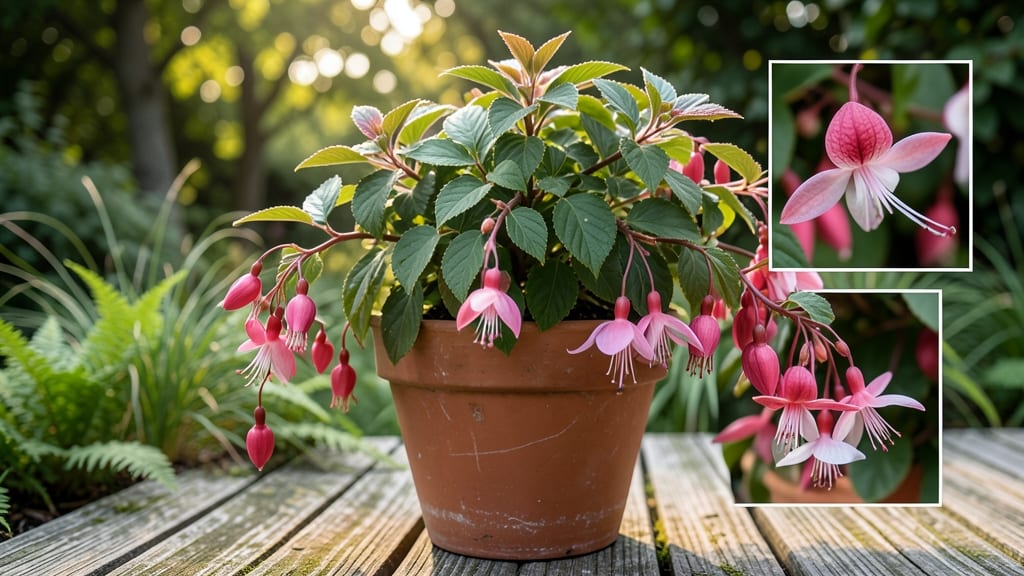
Fuchsia plants can bloom all summer with the right care, producing vibrant flowers from late spring through fall when you consistently remove spent blooms, provide bright but indirect light, maintain even moisture, and ensure cooler evening temperatures. Varieties like 'Giant Candy Apple' and 'Lady Bo-Peep' are particularly reliable for extended flowering seasons.
Fuchsias thrive on this continuous bloom cycle because they respond to consistent deadheading—removing faded flowers signals the plant to redirect energy into producing new buds. 🌸 The key is balancing 6-8 hours of morning sun with afternoon shade to prevent heat stress, which can cause buds to drop.
I've found that mulching around the base helps maintain soil moisture while keeping roots cool, especially during heatwaves. Container-grown fuchsias actually bloom even longer because you can move them to optimal conditions more easily than garden plants.
What many gardeners overlook is the importance of cool nighttime temperatures—below 75°F triggers the hormonal responses that keep flowers coming. Varieties with darker foliage often handle summer heat better than lighter ones, as they absorb less radiant heat.
For maximum impact, I recommend fertilizing every 4-6 weeks with a balanced 10-10-10 formula during the growing season, which supports both foliage and flower production.
💡 In This Article
- Why Fuchsias Bloom Continuously in Ideal Conditions
- Pro Tips for Extending Fuchsia Blooms Through Summer
Why fuchsias bloom continuously in ideal conditions
Fuchsias produce flowers continuously because they're photoperiod-neutral plants, meaning their blooming isn't triggered by specific day lengths like some seasonal flowers. Instead, they respond to consistent light exposure and temperature cues.
When you remove spent blooms (deadheading), you're essentially trimming the plant's energy drain, allowing it to focus on producing new buds. This process mimics how nature would handle fading flowers, encouraging the plant to keep flowering as long as conditions remain favorable.
The hormonal response in fuchsias is particularly sensitive to cool evening temperatures—ideally between 65-75°F. When nights stay above 80°F, buds often fail to open or drop prematurely due to heat stress.
Varieties like 'Giant Candy Apple' thrive in these conditions because their darker foliage helps dissipate heat better than lighter varieties. The plant's natural growth habit also plays a role: trailing varieties like 'Lady Bo-Peep' produce flowers along their stems, creating a cascading effect that extends the visual bloom period.
Light exposure is another critical factor. Fuchsias need bright but indirect light—at least 6-8 hours of morning sun followed by afternoon shade in hot climates. Direct afternoon sun can scorch leaves and cause buds to abort.
I've noticed that container-grown fuchsias often bloom longer because you can easily rotate them to provide optimal light exposure throughout the day. The plant's natural ability to photosynthesize efficiently in lower light conditions also helps maintain energy for continuous flowering.
Soil moisture and nutrition work together to support this bloom cycle. Fuchsias prefer consistently moist but well-drained soil—letting them dry out completely can cause buds to drop. Adding a 2-3 inch layer of mulch helps retain moisture while keeping roots cool.
Fertilizing with a balanced 10-10-10 formula every 4-6 weeks provides the necessary nutrients for both foliage and flower production, while avoiding high-nitrogen fertilizers that promote leafy growth at the expense of blooms.
What's fascinating is how fuchsias adapt to their environment. In cooler climates, they naturally bloom longer because the temperature fluctuations create ideal conditions. In hotter regions, providing afternoon shade and consistent moisture can extend the bloom period by up to 8-10 weeks beyond what you'd see in less optimal conditions.
The plant's ability to regenerate new growth from old wood also means you can often coax additional blooms even from established plants that might look spent.
One common misconception is that fuchsias need to go dormant to rebloom. In reality, they can continue flowering as long as you maintain these ideal conditions. The key is consistency—regular deadheading, proper light exposure, and balanced care create the perfect environment for continuous blooming.
This is why fuchsias are such popular choices for gardeners who want long-lasting color throughout the growing season.