
Blooming
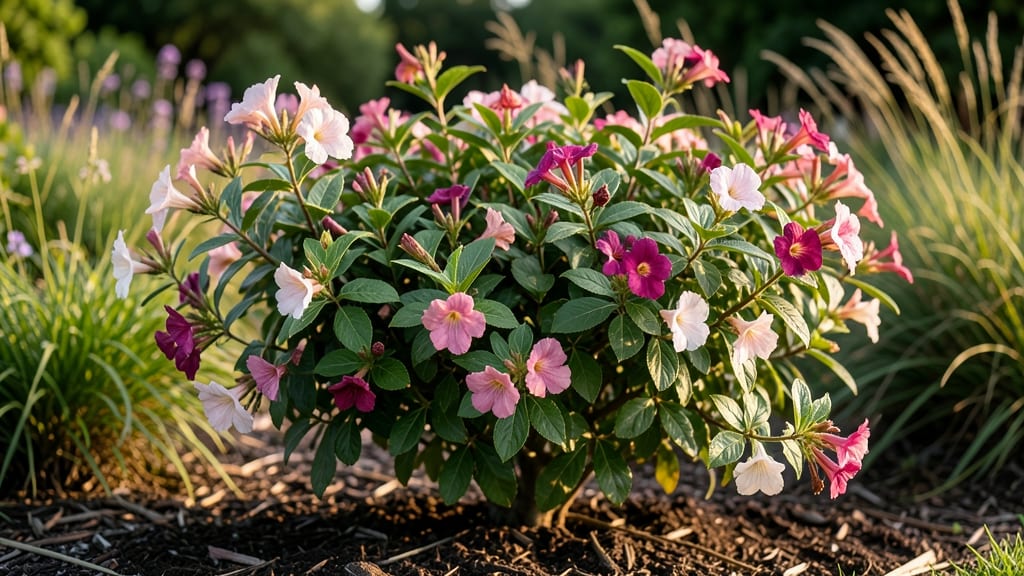
Weigela blooms all summer—but only if you trigger its heat-loving rebloom cycle. 🌸 Last year, my 'Wine & Roses' weigela put on a second flush of blooms in July after I pruned it back in early spring, and I’ve never looked back.
The key lies in variety selection, strategic pruning, and understanding how heat waves signal new flowers.
Not all weigela varieties play by the same rules. Reblooming types like 'Midnight Wine' or 'Alexandra' produce two to three flushes of blooms per season, while older varieties like 'Wine & Roses' may need a little coaxing.
The secret weapon? Pruning in late winter or early spring to remove old wood and encourage fresh growth—this is what gets those buds responding to summer heat.
What you’ll end up with is a bush covered in trumpet-shaped blooms from early spring through late summer, with occasional bursts even into fall. The foliage stays lush and green, and the flowers attract hummingbirds like crazy.
The best part? Once you get the timing right, weigela becomes one of the most reliable shrubs for continuous color.
For gardeners in hotter climates, mulching keeps roots cool and watered, while a light feed of balanced fertilizer in early summer gives the plant the energy it needs for those second and third blooms.
And if your weigela skips a flush? Don’t panic—it might just be waiting for the next heat wave to trigger its next round of flowers.
📚 In This Guide
- What you need
- Instructions
- Tips and common mistakes
- Wrapping up and next steps
What you need
- ● Weigela plant: Choose a healthy, mature plant (3–5 years old) with a proven history of reblooming. Varieties like Weigela florida ‘Wine & Roses’ or ‘Alexandra’ are great picks!
- ● Well-draining potting mix: 5–10 gallons (for container plants) or amend garden soil with compost (50%) + perlite (30%) + peat moss (20%) for in-ground plants.
- ● Balanced fertilizer: 10-10-10 or 20-20-20 (organic or synthetic), applied every 4–6 weeks during growing season.
- ● Slow-release fertilizer: Osmocote or Alfalfa meal (1–2 cups per plant) for steady nutrient release.
- ● Pruning shears: Bypass pruners (sharp, sterilized) for clean cuts.
- ● Watering can or hose: With a fine-mist nozzle for gentle hydration.
- ● Mulch: Shredded bark or pine straw (2–3 inches thick) to retain moisture and regulate soil temp.
- ● Heat-tolerant soil additives: Biochar or vermiculite to improve heat retention.
- ● Shade cloth (30–50% coverage): For afternoon sun protection in extreme heat zones (above 90°F/32°C).
- ● Epsom salt (magnesium sulfate): 1 tbsp per gallon of water (monthly) to boost blooms.
- ● Plant supports: Stakes or cages if your Weigela grows tall or leggy.
- ● pH test kit: Ensure soil pH is 6.0–7.0 (Weigela thrives in slightly acidic to neutral soil).
How to encourage weigela to bloom all summer long
Here's how I coax my weigelas into nonstop summer color—no tricks, just smart care.
🌿 Step 1: Prune for Next Year's Blooms in Early Spring
Weigelas bloom on new wood, so pruning in early spring sets up summer reblooming. Wait until after the first flush of flowers appears—usually by late April in most zones. Cut back one-third of the oldest stems to the ground to encourage vigorous new growth.
I like to make cuts just above a leaf bud or outward-facing branch. This prevents stubs that invite disease and opens the center for airflow. Never prune more than one-third at a time—you'll shock the plant and reduce flowering. The key is balance: remove dead wood but leave enough foliage to photosynthesize.
☀️ Step 2: Provide Full Sun and Consistent Water
Weigelas need 6-8 hours of direct sun daily for continuous blooming. If your plant's flowers fade quickly, it's likely getting too much shade. I move mine to sunnier spots in summer when nearby trees leaf out. The more sun, the more blooms you'll trigger.
Water consistently—1-1.5 inches per week—but don't let soil stay soggy. I check by sticking my finger 2 inches deep; if it's dry, it's time to water. Mulch with 2-3 inches of organic mulch to retain moisture and keep roots cool. Heat-stressed plants drop buds faster than you can count them.
💧 Step 3: Feed with High-Phosphorus Fertilizer
Phosphorus is the secret to summer reblooming. I use a balanced 10-10-10 fertilizer or a bloom booster with higher phosphorus (like 5-10-5) every 4-6 weeks starting in early spring. Too much nitrogen makes leaves happy but flowers lazy.
Apply fertilizer when the soil is moist—never on dry ground. I water first, then scatter granules around the drip line (not touching the stems), and water again to rinse it in. Stop fertilizing by late summer to let the plant prepare for winter. Overfeeding then leads to tender new growth that won't survive frost.
✂️ Step 4: Deadhead and Lightly Prune During Summer
Deadheading spent blooms isn't just about looks—it signals the plant to produce more flowers. I snip off faded flower clusters with clean pruners, cutting just above the next set of leaves. This prevents seed formation and redirects energy into new buds.
For extra-long blooming, do a light summer trim after the first flush. Cut back 5-10% of the oldest stems to encourage fresh growth. Avoid heavy pruning now—you'll sacrifice next year's spring display. The goal is to keep the plant compact and flowering, not to reshape it.
🌱 Step 5: Protect from Late-Season Heat Stress
When temperatures hit 90°F+, weigelas often stop blooming. I provide afternoon shade with a sheer fabric screen during heatwaves. Even a few hours of relief prevents bud drop. Water deeply in the morning to keep roots cool.
If your plant looks stressed (yellowing leaves, wilting), it's crying out for help. I sometimes give a foliar spray of seaweed extract in late summer to boost resilience. Stop all fertilizing by mid-August—you want the plant focusing on root growth, not new shoots that won't harden off before frost.
Tips & tricks for encouraging year-round weigela blooms
These simple adjustments will help your weigela thrive and keep flowering through the summer heat.
Pruning Precision in Step 1: When you're pruning those one-third of oldest stems in early spring, focus on removing stems that are thicker than a pencil. These older stems often produce fewer flowers and can block sunlight from reaching the center of the plant. I also look for any stems with dark, shriveled buds—these won't bloom well and should be cut back completely. Make your cuts at a 45-degree angle just above an outward-facing bud to encourage new growth that will produce flowers.
Sunlight Strategy for Step 2: The 6-8 hours of direct sun requirement is non-negotiable, but here's how to maximize it: If your weigela gets morning sun but afternoon shade, try moving it to a sunnier spot after the first flush of flowers appears. Weigelas can handle more sun once they're established. For container-grown plants, rotate them every few weeks so all sides get equal sunlight exposure. This helps prevent lopsided growth that can reduce flowering.
Fertilizer Timing Tip for Step 3: That 4-6 week feeding schedule works best when you align it with your plant's growth cycles. I apply my first dose right after pruning in early spring, then every 4 weeks until early July. The key is to stop by mid-August—this gives your weigela time to harden off before winter. If you notice new growth after your last feeding, you've gone too long between applications and may need to adjust your schedule next year.
Heat Stress Rescue for Step 5: When temperatures hit that 90°F threshold, don't just provide shade—also check your watering schedule. Morning watering is crucial because it gives roots time to absorb moisture before the heat of the day. If you notice leaves curling or wilting, it's a sign of heat stress. At this point, give your plant a deep watering (about 2 inches) and consider wrapping the base with wet burlap for a few hours to help it recover. This simple trick can save your weigela from bud drop during heatwaves.
Pro Tips for Does Weigela Bloom All Summer
- These simple adjustments will help your weigela thrive and keep flowering through the summer heat.
- Pruning Precision in Step 1: When you're pruning those one-third of oldest stems in early spring, focus on removing stems that are thicker than a pencil.
- Weigelas can handle more sun once they're established.
Frequently asked questions
Got questions about keeping your Weigela blooming all summer? You’re not alone! Here are some of the most common questions—and answers—to help you maximize those vibrant flowers.
Does Weigela bloom all summer naturally, or does it need help?
Weigela typically blooms in spring and again in late summer, but reblooming isn’t guaranteed. Heat waves and stress can cut flowers short. With the right care—like deadheading, proper pruning, and consistent watering—you can encourage a second (or even third!) flush of blooms through summer and into fall. Think of it as a reward for your efforts!
When is the best time to prune Weigela for continuous blooms?
Prune right after the first spring bloom (late May–June) to shape the plant and remove dead flowers. Avoid heavy pruning in fall or winter—it can reduce next year’s blooms. Light trimming in early summer (after the first flush) can also promote reblooming. Just skip pruning when buds form for the next season!
Why did my Weigela stop blooming mid-summer?
Common culprits include heat stress, overwatering, or nutrient deficiencies. Weigela loves sun but can wilt in extreme heat—provide afternoon shade if temps soar. Check soil moisture (it should stay evenly moist but not soggy) and fertilize lightly with a balanced formula (10-10-10) in early summer. A quick trim of leggy growth can also spark new blooms!
Are there Weigela varieties that bloom longer than others?
Yes! Some cultivars are bred for extended blooming, like ‘Wine & Roses’ (deep pink) or ‘Minuet’ (compact, long-lasting blooms). ‘Alexandra’ and ‘Midnight Wine’ also tend to rebloom more reliably. If you’re shopping, look for labels highlighting “reblooming” or “prolonged bloom”—they’re your best bet for summer-long color!
Can I grow Weigela in containers for summer-long blooms?
Container-grown Weigela thrives with well-draining soil and regular watering. Choose a pot at least 18–24” wide to accommodate roots. Move containers to partial shade during heatwaves and fertilize every 4–6 weeks. Just be mindful—containers dry out faster, so monitor soil moisture closely. With the right setup, potted Weigela can bloom just as beautifully as in-ground plants!
Pro Tip: How do I deadhead Weigela to encourage more blooms?
Deadheading is easy! After a flower fades, pinch off the spent bloom (and a small portion of the stem below it) with your fingers or clean pruners. This redirects the plant’s energy to new buds instead of seed production. Do this consistently every 1–2 weeks during bloom season. Pro move: Use sterilized tools to avoid disease!
Wrapping up and next steps
So, does Weigela bloom all summer? Yes—with the right care! 🌸 These vibrant shrubs can reward you with near-continuous blooms by pruning strategically, providing consistent moisture, and choosing heat-tolerant varieties. While no plant flowers nonstop, a well-maintained Weigela can keep your garden bursting with color from spring through fall.
Ready to transform your yard into a blooming paradise? Start by picking a sunny spot, grabbing your pruners, and giving your Weigela the love it deserves! 🌿 With a little effort, you’ll enjoy season-long beauty that turns heads—and maybe even inspires your neighbors to plant their own!