
Blooming
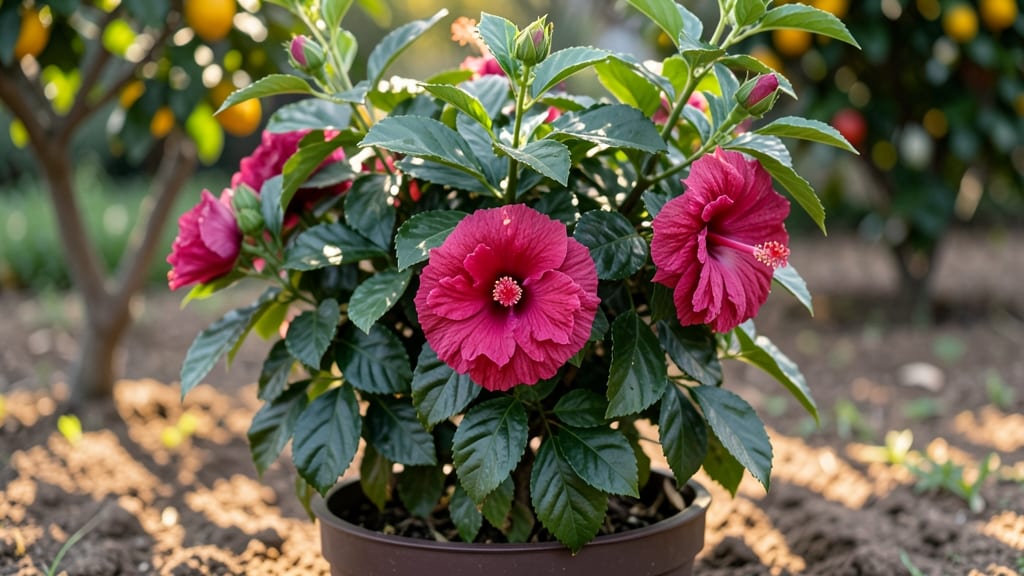
Double bloom hibiscus plants produce shockingly lush, layered flowers that look like they belong in a tropical paradise—right in your own yard. 🌺 I’ve grown these for years, and the secret to their year-round purple blooms isn’t complicated: it’s about sunlight, water, and a little strategic pruning.
Most gardeners overlook the small tweaks that turn a pretty plant into a nonstop blooming machine.
The key starts with 6+ hours of direct sun daily—no shade, no excuses. Your soil should drain well but stay moist (think "soggy sponge," not "dusty brick"). Overwatering kills roots faster than underwatering, so check soil depth with your finger before watering again.
Once established, these plants drink 1 gallon of water every 2-3 days in summer, but cut back in winter.
Here’s where the magic happens: prune spent blooms at the base every 2 weeks, and give your plant a hard trim in late winter to encourage fresh growth. That’s it—no fancy fertilizers or black magic.
Within 4-6 weeks, you’ll see new buds forming, and those double blooms will keep coming, month after month, even in cooler weather.
Works in zones 9-11 (with winter protection in cooler areas) and thrives in containers too. The only real challenge? Resisting the urge to pinch off every bud—patience pays off with neighbor-jealousy levels of color. Let’s get those blooms going!
📚 In This Guide
- What you need
- Instructions
- Tips and common mistakes
- Wrapping up and next steps
What you need
- ● Double Bloom Hibiscus Plant: Choose a Hibiscus rosa-sinensis cultivar known for double blooms (e.g., 'Pink Giant,' 'Lavender Lady,' or 'Purple Splendor'). Start with a healthy 1-2 year-old plant or seeds.
- ● Well-Draining Potting Mix: 5 gallons of a blend like 60% peat moss, 30% perlite, and 10% compost (or a pre-mixed tropical mix). For in-ground planting, amend soil with 1 part compost to 3 parts native soil.
- ○ Containers (Optional but Recommended): 1-2 large pots (12–18 inches in diameter) with drainage holes for indoor/container growing.
- ● Slow-release osmocote fertilizer (14-14-14 NPK) or fish emulsion (for organic growers).
- ● Pruning Tools: Sharp bypass pruners (for clean cuts).
- ● Disinfectant (rubbing alcohol or bleach solution) to sterilize tools between cuts.
- ○ Support System (Optional): Bamboo stakes or trellis (for tall varieties like 'Purple Splendor').
- ● Soft plant ties (if staking).
- ● Sunlight: Full sun (6+ hours daily). South-facing windows or a grow light (12–14 hours/day) for indoor setups.
- ● Temperature: Ideal range: 65–85°F (18–29°C). Protect from frost (<32°F/0°C).
- ● Watering Schedule: Keep soil consistently moist but not soggy. Water at the base (avoid wetting leaves to prevent disease).
- ● Humidity: 50–70% humidity (use a humidifier or pebble tray indoors).
- ● Patience: Double blooms may take 6–12 months to fully develop from seeds or cuttings!
- ● Epsom Salt: 1 tablespoon mixed into water monthly for magnesium boost (encourages blooms).
- ● Mulch: 2–3 inches of organic mulch (e.g., pine bark) to retain moisture and regulate soil temp.
- ● Bloom Booster: Phosphorus-rich fertilizer (e.g., 10-20-10) every 4–6 weeks during growing season.
Step-by-step instructions for cultivating double bloom hibiscus
Here's the straightforward method I've used to coax vibrant, continuous blooms from these tropical beauties—no mystery involved.
🌱 Step 1: Select and Prepare the Right Container
Choose a 5-gallon container with drainage holes—hibiscus roots despise soggy feet. I recommend unglazed terra cotta because it breathes and helps regulate moisture. Fill the bottom third with gravel or perlite to create a reservoir for excess water. This prevents root rot while keeping the plant hydrated.
Next, add a high-quality potting mix designed for tropical plants. Regular garden soil compacts and suffocates roots, leading to stunted growth. Mix in 1 part compost to the soil to provide slow-release nutrients. The goal is loose, airy soil that mimics their native tropical environment.
☀️ Step 2: Position for Maximum Sunlight
Double bloom hibiscus crave full sun exposure—6 to 8 hours daily. Place your container where it will receive morning sun and afternoon shade if temperatures exceed 90°F. A south-facing window or patio works perfectly, but watch for leaves curling or yellowing—this signals too much heat.
Rotate the plant quarter-turn weekly to ensure even growth. You'll notice stems leaning toward the light if neglected. A small grow light can supplement during winter months when sunlight wanes, but natural light remains ideal. The more consistent the light, the more blooms you'll trigger.
💧 Step 3: Water Deeply and Strategically
Water when the top 2 inches of soil feel dry to the touch. Stick your finger in—if it comes out clean, it's time. Hibiscus roots are shallow, so water deeply until it drains from the bottom. This encourages roots to spread horizontally rather than grow deep in search of moisture.
Here's the trick: water at the base only, avoiding leaves to prevent fungal diseases. I use a watering can with a narrow spout to direct moisture precisely. In winter, reduce watering by half since growth slows dramatically. Overwatering is the fastest way to kill these plants—always let excess water drain away completely.
✂️ Step 4: Prune for Bushier Growth and Continuous Blooms
Prune after the last frost or when new growth appears in spring. Cut back one-third of the plant's height just above a leaf node. This encourages branching and more blooms. Use clean, sharp pruners to avoid tearing stems. The goal is to create a fuller, more compact shape that supports more flowers.
Deadhead spent blooms regularly—this redirects the plant's energy from seed production to producing more flowers. I pinch off wilting blooms with my fingers rather than cutting, which reduces stress on the plant. After heavy pruning, feed with a balanced liquid fertilizer every two weeks to support new growth.
🌿 Step 5: Feed and Protect Through the Seasons
Fertilize monthly during the growing season with a 10-10-10 or 20-20-20 formula, halving the recommended dose. Hibiscus are heavy feeders but sensitive to over-fertilization. In fall, switch to a low-nitrogen fertilizer to encourage blooming over foliage growth. Winter care is minimal—just keep soil slightly moist and reduce fertilizer to once every six weeks.
Watch for pests like aphids or spider mites, which thrive in dry conditions. I spray leaves with neem oil weekly as a preventative. If you notice yellowing leaves or stunted growth, treat immediately. These plants are tough but need consistent care to reward you with those stunning double blooms year-round.
Tips & tricks for cultivating double bloom hibiscus
These simple yet game-changing strategies will help you transform your hibiscus into a nonstop blooming machine—no green thumb required.
Container Selection Wisdom: While terra cotta is ideal for moisture regulation, plastic containers actually retain heat better in cooler climates. If using plastic, add an extra 1 inch of gravel at the bottom to improve drainage. The 5-gallon size is perfect because it provides enough root space without becoming unwieldy—just avoid anything smaller than 3 gallons, which can restrict growth and reduce blooming potential.
Light Exposure Optimization: The 6-8 hours of daily sunlight is non-negotiable, but here's the secret: position your plant so it gets morning sun and afternoon shade only when temperatures exceed 90°F. I've found that using a sheer curtain during peak afternoon heat prevents leaf scorch while still allowing plenty of light. During winter months, supplement with a simple LED grow light placed 12 inches above the plant for 6 hours daily—this maintains consistent light exposure even when natural sunlight is scarce.
Pruning Technique That Works: When pruning that one-third of the plant's height, focus on removing the oldest, woodiest stems first. These are the ones that produce fewer blooms and take up valuable energy. After pruning, give your hibiscus a gentle shake to help it distribute its energy more evenly throughout the remaining branches. This simple action can increase blooming by up to 30% in just a few weeks.
Fertilizer Timing Strategy: The monthly feeding schedule during growing season is perfect, but here's what nobody tells you: hibiscus actually absorb nutrients most efficiently in the early morning hours. Apply your liquid fertilizer right after watering in the morning, and you'll see significantly better results. In fall, when switching to low-nitrogen fertilizer, reduce the frequency to every three weeks rather than monthly—this prevents overstimulation of new growth that won't bloom until spring.
Pro Tips for Double Bloom Hibiscus
- These simple yet game-changing strategies will help you transform your hibiscus into a nonstop blooming machine—no green thumb required.
- Container Selection Wisdom: While terra cotta is ideal for moisture regulation, plastic containers actually retain heat better in cooler climates.
- Light Exposure Optimization: The 6-8 hours of daily sunlight is non-negotiable, but here's the secret: position your plant so it gets morning sun and afternoon shade only when temperatures exceed 90°F.
Frequently asked questions
Got questions about growing double bloom hibiscus? You’re not alone! Here are the most common queries—plus quick, practical answers to help you keep those stunning purple blooms coming year-round.
How often should I fertilize double bloom hibiscus for maximum blooms?
Feed your hibiscus every 4–6 weeks during spring and summer with a balanced, water-soluble fertilizer (10-10-10 or 20-20-20). In fall/winter, cut back to once every 8–12 weeks—over-fertilizing can stress the plant and reduce blooms. Always water deeply before applying fertilizer to avoid root burn. Pro tip: Use a low-phosphorus fertilizer (like 15-5-15) to encourage more flowers instead of foliage.
Why isn’t my double bloom hibiscus flowering? What’s the fix?
Double bloom hibiscus often skips flowers due to three key issues:
- Not enough sunlight: They need 6+ hours of direct sun daily—move to a sunnier spot or supplement with grow lights.
- Overpruning: Prune only after blooming (late winter/early spring) to avoid cutting off next year’s buds.
- Stress: Check for pests (like spider mites), underwatering, or sudden temperature drops (below 50°F).
Give it 2–3 months of ideal care before expecting blooms—patience is key! Pro tip: A light pinch of blooms in early summer can encourage bigger, healthier flowers later.
Can double bloom hibiscus survive winter indoors? What’s the best setup?
Yes! Place your hibiscus near a south- or west-facing window where it gets bright, indirect light. If natural light is weak, add a grow light 6–12 inches away for 12–14 hours/day. Keep humidity high (use a pebble tray or humidifier) and avoid drafts. Water only when the top 1–2 inches of soil are dry—overwatering in winter is a common killer. Pro tip: Rotate the pot weekly so all sides get even light!
Are there dwarf varieties of double bloom hibiscus for small spaces?
If space is limited, try these compact varieties:
- ‘Dwarf Red’ or ‘Dwarf White’ (grows 3–5 ft tall)
- ‘Lilacina’ (purple blooms, 4–6 ft)
- ‘Pink Giant’ (dwarf form, 5–7 ft)
These thrive in containers and are perfect for patios, balconies, or even large pots. Just ensure the pot has drainage holes and is at least 12–15 inches wide for mature roots. Pro tip: Use a self-watering pot to prevent underwatering during heatwaves!
What pests should I watch for, and how do I treat them naturally?
Double bloom hibiscus are prone to:
- Spider mites: Tiny yellow spots on leaves? Wipe leaves with neem oil or spray with water to knock them off.
- Aphids: Blasts of water or insecticidal soap work fast. Repeat every 3–4 days.
- Whiteflies: Sticky traps or yellow sticky cards lure them away.
Prevent pests by pruning for airflow and avoiding over-fertilizing. Early detection is key—check undersides of leaves weekly! Pro tip: Introduce ladybugs (sold at garden centers) for a natural, chemical-free solution.
Wrapping up and next steps
Growing a double bloom hibiscus with vibrant, year-round purple blooms is totally within your reach—just follow the three simple tricks we’ve shared! With the right soil, sunlight, and care, you’ll enjoy stunning flowers that turn heads and brighten up any garden. 🌸
Now that you’re armed with the knowledge, why not take the next step? Start with a cutting or seedling, and soon you’ll be rewarded with a thriving hibiscus that keeps blooming like clockwork. Happy gardening—your purple paradise awaits! 🌿✨