
Shrubs
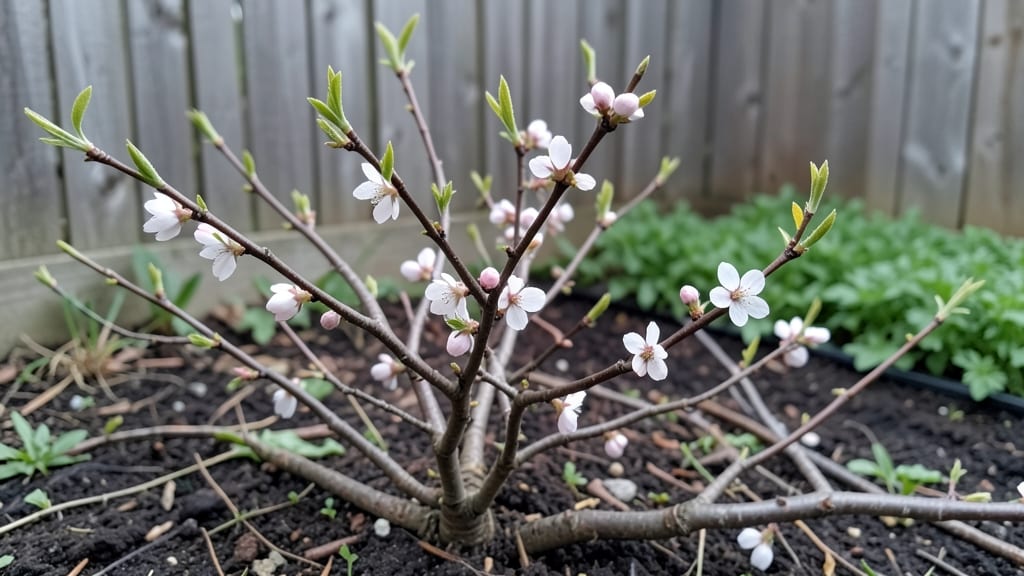
Growing a dwarf flowering almond 🌸 means bringing fragrant, show-stopping blooms to even the tiniest garden spaces—without the fuss of a full-sized tree.
Imagine a fragrant, blossom-filled tree that thrives in containers yet delivers show-stopping pink or white flowers for months. Perfect for urban balconies, patios, or small yards, these compact beauties defy expectations with their resilience and year-round blooming potential.
If you’ve ever struggled to find a low-maintenance plant that delivers months of color while staying small enough for containers, this is your answer. The dwarf flowering almond is one of the easiest shrubs to grow, with minimal pruning needs and adaptability to nearly any soil—even poor or rocky ground.
In this guide, I’ll walk you through everything from planting in early spring to keeping those blooms coming all season, plus the best varieties for your USDA Zone 6a climate. Ready to transform your space with effortless beauty?
Why dwarf flowering almond trees are perfect for small gardens
If you’ve ever dreamed of a fragrant, flowering tree but assumed it required a sprawling yard, think again. Dwarf flowering almond trees prove that stunning blooms and compact size aren’t mutually exclusive.
These low-maintenance shrubs grow just 3-6 feet tall, making them ideal for balconies, courtyard planters, or even as focal points in tiny urban gardens.
Their adaptability is another game-changer. Unlike full-sized trees, dwarf varieties thrive in containers with minimal fuss, tolerate poor or rocky soil, and require less frequent pruning.
Plus, their pink and white blossoms appear in late winter or early spring, often lasting 4-6 weeks—a dramatic burst of color when most gardens are still dormant.
Here’s why these trees are a small-space gardener’s secret weapon:
| Feature | Dwarf Flowering Almond Advantage | Why It Matters |
|---|---|---|
| Mature Height | 3–6 feet | Fits in containers, small patios, or tight garden corners. |
| Bloom Season | Late winter to early spring (4–6 weeks) | Early seasonal interest when other plants are dormant. |
| Sunlight Needs | Full sun (6–8 hours daily) | Thrives in sunny balconies or south-facing windows. |
| Soil Tolerance | Adapts to poor, rocky, or sandy soil | No need for rich, amended soil—ideal for urban areas. |
| Container Suitability | Grows well in 15–20 gallon pots | Perfect for renters, balconies, or rooftop gardens. |
| Pruning Needs | Minimal (1–2 times per year) | Low-maintenance compared to full-sized trees. |
| Fragrance | Lightly sweet, almond-scented | Adds sensory appeal to small outdoor spaces. |
| Cold Hardiness | USDA Zones 5–9 | Survives winter in most temperate climates. |
| Year-Round Value | Evergreen foliage + winter blooms | Provides 4-season interest in minimal space. |
One of the biggest misconceptions about small gardens is that they can’t support tree-like plants. Dwarf flowering almonds shatter that myth by offering the aesthetic impact of a tree without the space requirements.
Their arching branches and delicate blossoms create a focal point that draws the eye upward, making even the smallest patio feel expansive.
For those with limited outdoor space, these trees also solve the problem of seasonal interest. While many plants peak in summer, dwarf almonds burst into bloom in late winter or early spring, often reblooming in fall.
This extended display ensures your garden stays vibrant year-round with minimal effort.
Another standout feature is their resilience in containers. Unlike many shrubs that struggle in pots, dwarf almonds adapt well to 15–20 gallon containers, making them perfect for renters or urban dwellers.
Just ensure your pot has drainage holes and use a well-draining potting mix to prevent root rot—a common issue with container-grown plants.
Even their low-maintenance care sets them apart. Unlike fruit trees or roses, dwarf almonds don’t require frequent pruning, heavy fertilization, or specialized soil. A light feeding in spring and consistent watering (especially during their first year) are all you need to keep them thriving.
This makes them ideal for busy gardeners who want beauty without the upkeep.
Finally, their fragrant blossoms add a sensory dimension that’s often missing in small gardens. The lightly sweet almond scent wafts through the air, creating an inviting atmosphere for outdoor dining, reading, or relaxing.
Imagine sipping morning coffee on your balcony while surrounded by pink and white clouds of blooms—that’s the magic of dwarf flowering almonds.
Whether you’re a beginner gardener or a seasoned pro, these trees offer a low-risk, high-reward way to elevate your space. With their compact size, adaptability, and stunning blooms, they’re the ultimate small-garden solution for anyone craving a touch of nature without the space constraints. 🌸
How to plant and care for dwarf flowering almond trees in containers
Container gardening with dwarf flowering almond trees is simpler than you think—these resilient shrubs thrive in pots with the right care. The key to success lies in well-draining soil, adequate sunlight, and proper watering techniques tailored for container growth.
Unlike their full-sized counterparts, dwarf varieties need extra attention to root space and drainage to prevent common container issues like root rot or nutrient depletion.
One of the biggest challenges with container-grown dwarf almonds is balancing moisture and aeration. Since pots dry out faster than in-ground plantings, you’ll need to adjust your watering schedule and soil mix to mimic their natural growing conditions.
With the right approach, your container can become a year-round blooming powerhouse, filling your space with fragrant pink or white flowers from late winter through spring.
-
Choose the Right Container
Select a 15–20 gallon pot with drainage holes to prevent root rot. Terracotta or fiberglass containers work best for heat retention and moisture control. Ensure the pot is at least 12 inches deep to accommodate root growth.
-
Prepare Well-Draining Soil
Use a mix of 50% potting soil, 30% perlite, and 20% compost to create a loose, aerated medium. Avoid heavy garden soil, which can compact and suffocate roots. Add a slow-release fertilizer (10-10-10) to the mix for initial nutrients.
-
Plant at the Correct Depth
Place the dwarf almond in its container so the root ball sits 1–2 inches below the rim. This ensures stability and prevents water from spilling over during irrigation. Gently backfill with soil, pressing lightly to remove air pockets but avoiding compaction.
-
Position for Full Sun
Place your container in a south-facing location where it receives 6–8 hours of direct sunlight daily. If outdoors, move it to a protected spot during extreme heat or cold. For balconies, ensure the area gets uninterrupted sunlight to maximize blooming.
-
Water Deeply and Consistently
Water when the top inch of soil feels dry, typically every 3–5 days in containers. Use room-temperature water and soak the soil until it drains from the bottom. Avoid wetting the foliage to prevent fungal diseases. Reduce watering in winter months to once every 2 weeks.
-
Fertilize Lightly in Spring
Apply a balanced fertilizer (10-10-10) every 4–6 weeks during the active growing season (March–June). Use half the recommended dose to avoid burning roots. Skip fertilization during fall and winter when the plant is dormant.
-
Prune for Shape and Health
Prune once in late winter (before blooming) to remove dead or crossing branches. Cut just above a bud or side shoot to encourage new growth. Lightly shape the tree in summer after flowering to maintain its compact form. Use sterilized pruners to prevent disease.
When it comes to container-specific challenges, overwatering is the most common mistake. Since pots lack the moisture retention of garden soil, it’s easy to drown roots if you’re not careful. Always check soil moisture with your finger before watering, and never let the plant sit in standing water.
A self-watering container with a moisture meter can help automate this process and prevent root rot.
Another tip for container success is to rotate your pot every few weeks. This ensures even sunlight exposure and prevents the tree from leaning toward the light. If you notice yellowing leaves or stunted growth, it may be a sign of nutrient deficiency or poor drainage.
In this case, repot your dwarf almond into a slightly larger container with fresh soil to give its roots more room to expand.
With these steps, your dwarf flowering almond will reward you with months of fragrant blooms and lush foliage, all while staying perfectly contained. The best part? You’ll spend less time maintaining it than you would with a full-sized tree, making it the ultimate low-fuss, high-impact garden star. 🌸