
Blooming
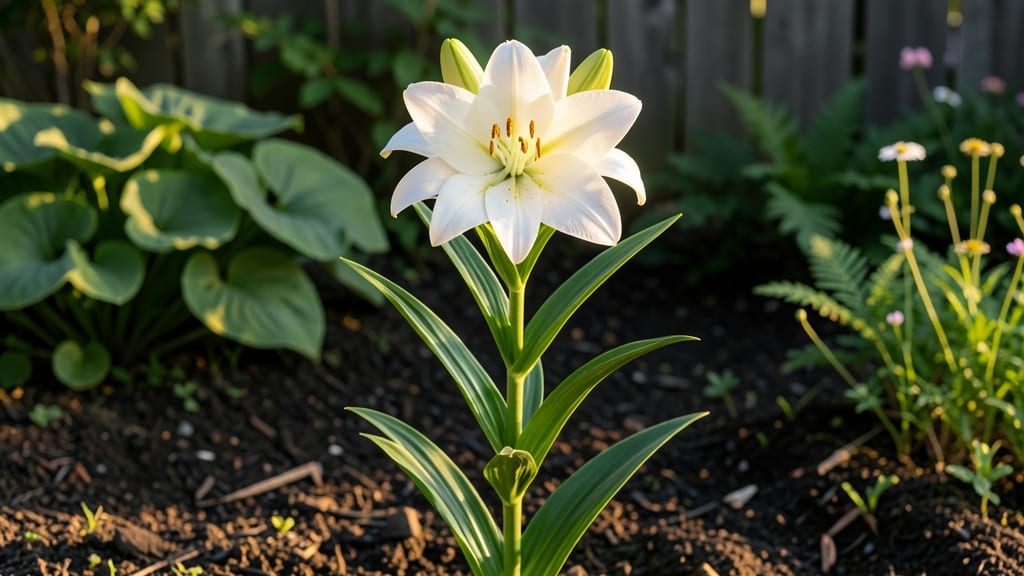
The easter lily bloom time in spring—typically between April and May—transforms your garden into a celebration of the season with those iconic white 🌷 flowers.
Timing your Easter Lily planting just right ensures breathtaking blooms that arrive in perfect sync with spring celebrations—but knowing the exact bloom months depends entirely on your USDA hardiness zone.
In Zone 6, where most gardeners live, you’ll see buds swell in late March, with full blooms by Easter weekend. But shift a few zones north or south, and those timelines shift too—sometimes by weeks.
Here’s how to align your planting schedule with your region’s bloom window, plus the key care tricks to coax earlier (or later) flowers and keep them coming back year after year.
Easter Lily bloom time by USDA hardiness Zone: exact months for each region
Timing your Easter Lily planting for spring blooms is all about understanding your USDA hardiness zone. These stunning white flowers thrive in cool climates, but their bloom windows shift dramatically from Zone 3 to Zone 10.
Whether you're in frigid Minnesota or mild Southern California, knowing when to expect those iconic blooms helps you plan for show-stopping displays.
Easter Lilies are perennial bulbs that need winter chilling to trigger blooms. They typically flower in late spring, but the exact timing depends on your zone. In colder regions, blooms arrive earlier, while warmer zones see later—and sometimes even fall blooms with proper care.
Let’s break down the bloom schedule by zone so you can set your expectations.
🌱
In Zones 3-4, where winters are harsh, Easter Lilies typically bloom from mid-April to early May. The cold forces them into dormancy longer, but they reward you with earlier blooms once temperatures rise.
If you’re in Zone 5 or 6, you’ll see blooms align perfectly with Easter celebrations, usually from early April to mid-May. These zones offer the most predictable timing for traditional spring displays.
Gardeners in Zones 7-8 often enjoy earlier blooms, sometimes as early as late March, especially if planted in protected microclimates. The warmer climate can also trigger fall reblooms in June, extending your flowering season.
Meanwhile, Zones 9-10 are the outliers—Easter Lilies here may bloom as early as January or February, making them a holiday centerpiece rather than a spring staple.
For those in warmer zones, you can push blooms even earlier by forcing bulbs indoors in late fall. Simply plant bulbs in pots in October or November and keep them in a cool, dark place until shoots appear.
Move them to bright light to trigger blooms by Christmas or New Year’s, perfect for festive decor.
Regional variations also play a role. For example, Pacific Northwest gardeners in Zone 7 might see blooms in late March, while Southern California (Zone 10) Easter Lilies could bloom in December.
Elevation matters too—mountainous areas in Zone 6 may bloom 2-3 weeks later than valley regions. Always check your local frost dates to fine-tune your planting schedule.
Pro tip: If you want longer-lasting blooms, deadhead spent flowers and avoid fertilizing after mid-summer. This encourages reblooming in fall for zones where it’s possible. In colder climates, let the foliage die back naturally to store energy for next year’s blooms.
With the right care, your Easter Lilies can become a year-round star in your garden.
🌷
How to extend Easter Lily bloom season: pro tips for longer lasting flowers
Want your Easter lilies to bloom earlier or last longer? With the right strategies, you can push their bloom season by weeks—or even coax reblooming from certain varieties. The secret lies in understanding their natural rhythms and giving them the perfect growing conditions.
Most Easter lilies (Lilium longiflorum) bloom naturally in late spring, but with targeted adjustments to light exposure, soil temperature, and post-bloom care, you can extend their showstopping display.
Let’s break down the proven methods to get those white trumpet blooms appearing earlier or lasting well into summer.
- 1. Soil Temperature Trick: Plant bulbs in fall (September-October) for an earlier spring bloom. Warmer soil speeds up root growth, giving plants a head start. Aim for 60-65°F soil temps before planting.
- 2. Light Exposure Hack: Move potted lilies to a sunnier spot (6+ hours/day) 4-6 weeks before desired bloom time. Morning sun is ideal—it prevents overheating while maximizing photosynthesis.
- 3. Rebloom Care: After blooms fade, cut spent flower stalks but leave foliage until yellow. This feeds the bulb for next year’s blooms. Fertilize with low-nitrogen (5-10-10) mix in early spring.
- 4. Watering Strategy: Reduce watering 2 weeks before desired bloom time. Slight stress triggers blooming hormones. Resume normal watering once buds form.
- 5. Mulch Magic: Apply 2-3 inches of mulch in early spring. It insulates roots, keeping soil temps stable and encouraging consistent blooming.
For reblooming varieties like ‘Stargazer’ or ‘Casa Blanca’, deadhead spent blooms immediately and fertilize lightly every 4-6 weeks. This encourages a second flush of flowers in late summer. Just remember: reblooming requires more energy, so your plants need well-draining soil and consistent moisture.
If you’re in a warmer zone (8-10), plant bulbs in winter (December-January) for a delayed spring bloom. The cooler temps break dormancy naturally, while the mild climate prevents bulb rot. Always choose organic-rich soil to support healthy root development.
Pro tip: Use black plastic mulch in early spring to raise soil temps by 5-10°F. This jumpstarts growth in cooler zones, pushing blooms forward by 1-2 weeks. Just remove it once shoots emerge to prevent overheating.
With these pro tips, your Easter lilies will reward you with longer-lasting blooms and possibly even a second showstopping display. Happy gardening! 🌷