
Flowers
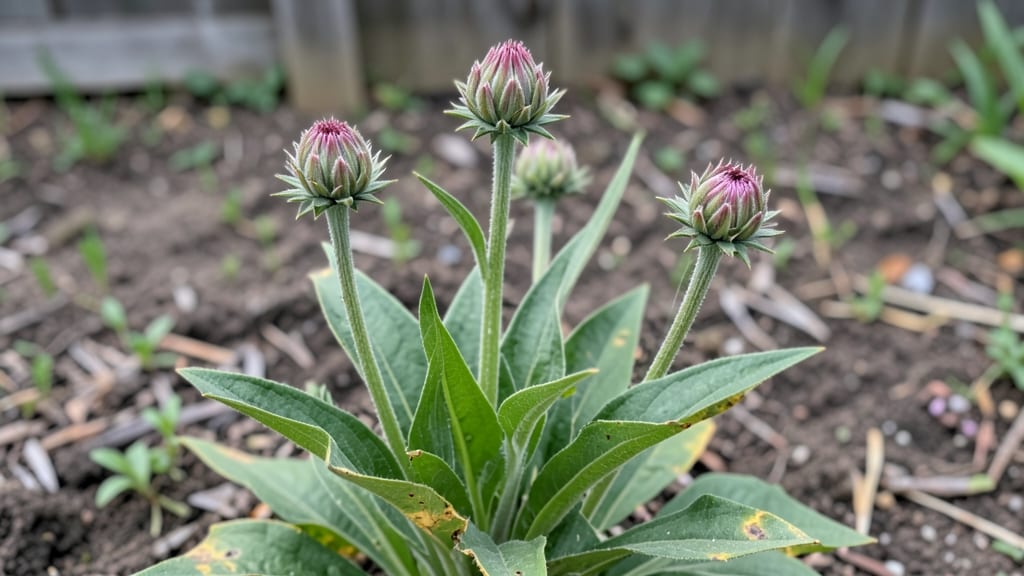
Pruning echinacea before bloom is the secret weapon for bigger, longer-lasting flowers next season—if you do it right.
Struggling to get your echinacea 🌼 to produce vibrant blooms year after year? The secret often lies in strategic pruning before the flowers even appear—timing and technique make all the difference.
Most gardeners wait until after blooming to tidy up, but the real magic happens in late winter or early spring. A well-timed cut removes dead growth, encourages stronger stems, and sets your plants up for a showstopping display by summer.
In this guide, I’ll walk you through the exact when and how to prune for maximum impact, plus regional tweaks so your echinacea thrives no matter where you live.
Best time to prune echinacea before bloom for maximum growth
Pruning your echinacea at the right time can transform your garden from a few scattered blooms to a stunning, long-lasting display. The key is understanding when your plant is in its dormant phase but just waking up—typically late winter to early spring.
This timing ensures you remove dead growth while leaving energy reserves intact for the next bloom cycle.
Many gardeners mistakenly prune too early or too late, which can stress the plant or even invite pests. The optimal window is when new growth appears but before buds swell.
For most regions, this falls between February and March, but climate plays a huge role in fine-tuning the schedule.
| Climate Zone | Pruning Window | Visual Cues | Action |
|---|---|---|---|
| USDA Zones 3-5 (Cold) | Late March - Early April | First green shoots emerge, soil thawed | Trim dead foliage to 2-3 inches above ground |
| USDA Zones 6-8 (Temperate) | February - March | New growth appears, buds not yet swollen | Cut back by 1/3 to encourage bushiness |
| USDA Zones 9-10 (Mild) | January - February | Minimal dormancy; prune when growth slows | Light pruning only; avoid heavy cuts |
| All Zones (Post-Frost) | After last frost date | Soil warm, no frost predicted | Final trim if needed for shape |
In cold climates (USDA Zones 3-5), prune after the ground thaws but before the last frost date. Look for green shoots peeking through the soil—this signals the plant is ready to regrow.
Cutting too early can expose tender roots to frost damage, while waiting too long may delay the plant's energy reserves for blooming.
For milder climates (USDA Zones 6-10), the window shifts slightly earlier. In Zone 9-10, where winters are barely dormant, prune in January or February when growth naturally slows.
The goal is to remove old stems without stimulating new growth too soon, which could be damaged by unexpected cold snaps.
One of the biggest mistakes is pruning echinacea in fall. While it may look tidy, cutting back then removes the plant's natural insulation and food storage for winter.
Always wait until spring to prune, even if the stems look unsightly. Your patience will pay off with healthier roots and longer bloom seasons.
Pay close attention to your plant's growth patterns. If you notice buds swelling or leaves unfurling, it's time to stop pruning. These signs mean the plant is shifting from dormancy to active growth, and any cuts now could disrupt the energy flow needed for flowering.
Use sharp, clean pruners to make 45-degree cuts just above a leaf node.
After pruning, focus on soil health to support regrowth. Add a layer of compost around the base and water deeply but infrequently. This encourages root development without overwhelming the plant.
Within 4-6 weeks, you should see fresh green shoots signaling successful pruning and setting the stage for abundant blooms.
Pro tip: Mark your calendar with the last frost date in your area. Pruning 2-3 weeks after this date ensures your echinacea has time to recover before the growing season kicks into high gear. This timing aligns perfectly with the plant's natural cycle, giving it the best chance to thrive.
Remember, echinacea is a hardy perennial, but even hardy plants benefit from intentional care. By pruning at the right time, you're not just tidying up—you're investing in next year's blooms.
With the right timing and technique, your echinacea will reward you with vibrant, long-lasting flowers that brighten your garden from summer through fall. 🌼
Step-by-step pruning method to avoid weakening echinacea roots
Pruning echinacea correctly before bloom isn’t just about cutting back—it’s about preserving energy for next year’s vibrant blooms. Many gardeners make the mistake of removing too much foliage or cutting at the wrong time, which stresses the plant’s root system and weakens its structure.
The key is to focus on removing only the dead or diseased stems while leaving the healthy growth intact.
When done right, pruning echinacea before bloom encourages stronger stems, more flowers, and a healthier plant overall. I’ve learned that timing and technique matter just as much as the tools you use.
For example, cutting too early in winter can expose the plant to frost damage, while waiting too long may leave it vulnerable to pests or fungal diseases. Let’s break down the exact steps to prune like a pro.
How to Prune Echinacea Before Bloom
- Step 1: Wait for the right time – Prune in early spring, just as new growth begins but before buds swell. This is typically March or April in most USDA zones 5-9. Avoid pruning in late winter when frost is still a risk.
- Step 2: Choose the right tools – Use clean, sharp pruners or bypass pruners to make precise cuts. Dull tools crush stems, which can introduce bacterial infections. Disinfect your tools with rubbing alcohol before and after pruning.
- Step 3: Remove dead or damaged foliage – Look for brown, crispy stems or any that appear mushy or discolored. These are dead and should be cut back to the base of the plant. Healthy stems will be green and firm—leave these alone.
- Step 4: Cut at the correct angle and height – Make cuts at a 45-degree angle, about 1/4 inch above a leaf node or where a side branch emerges. This encourages new growth from the right spot. Never cut into woody stems—this can harm the plant.
- Step 5: Avoid over-pruning – Never remove more than 1/3 of the plant’s foliage. Echinacea stores energy in its roots and basal leaves, so cutting back too much leaves it weak for the next growing season. Aim to remove only the unsightly or dead growth.
- Step 6: Clean up and mulch – After pruning, remove all clippings and debris from the garden bed to prevent disease spread. Add a 2-inch layer of mulch around the base to retain moisture and protect roots as temperatures fluctuate.
One of the biggest mistakes I see gardeners make is cutting back live stems in the hopes of encouraging bushier growth. But echinacea doesn’t respond well to aggressive pruning—it needs its foliage to photosynthesize and build energy for next year’s blooms.
If you’re unsure whether a stem is dead or alive, gently scratch it with your fingernail. If it’s green underneath, leave it be.
Another critical tip is to never prune in fall. Cutting back too early can leave the plant vulnerable to winter frost and pests. Instead, wait until early spring when the soil has warmed slightly and new growth is visible.
This ensures the plant enters dormancy with enough stored energy to thrive.
After pruning, give your echinacea a boost by applying a balanced fertilizer (like 5-10-10) in early spring. This helps replenish nutrients lost during winter and supports robust growth. Water deeply after fertilizing to help the roots absorb nutrients efficiently.
With the right technique, your echinacea will reward you with longer, more abundant blooms all season long! 🌼