
Blooming
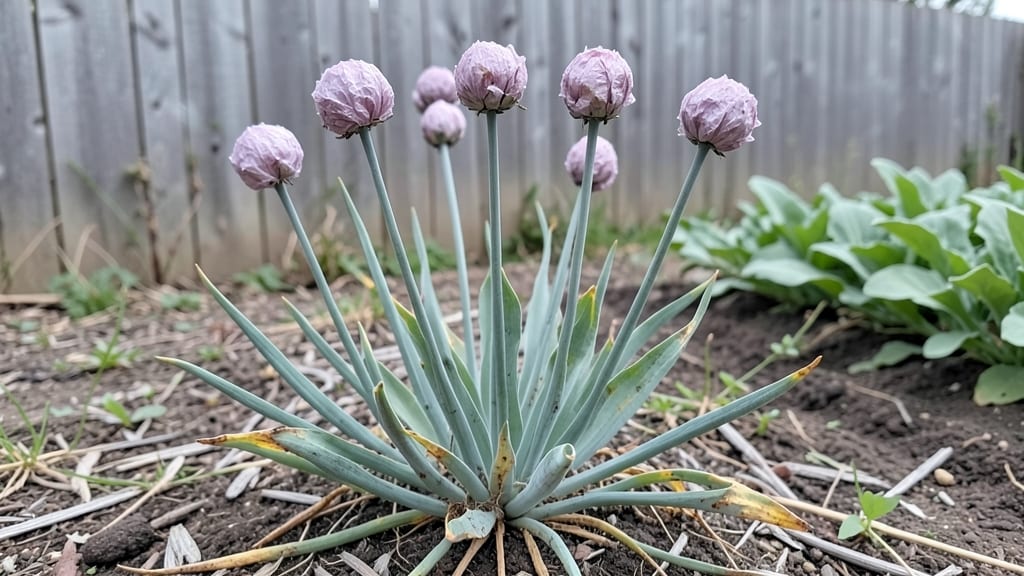
Fall-blooming alliums bring striking purple spikes to gardens when most flowers have faded 🌸, and planting them at the right time makes all the difference.
Imagine a garden bursting with dramatic purple spikes when other flowers fade—fall-blooming alliums deliver exactly that, adding late-season drama with minimal effort. But timing your planting correctly is the secret to unlocking their full potential.
These hardy perennials thrive in USDA Zone 6a and beyond, but getting them in the ground between August and September ensures they establish strong roots before winter. Too early, and they might bolt; too late, and frost can stunt their growth.
Below, I’ll walk you through the best planting window, soil prep tips, and care tricks to keep your alliums blooming longer—so you can enjoy their showstopping beauty well into autumn.
Best planting times for fall-blooming Allium varieties by climate Zone
Fall-blooming alliums like Allium schubertii and Allium giganteum thrive when planted at the right time, but the perfect window varies dramatically across USDA zones 3-10.
In cooler northern regions, early fall planting ensures strong root establishment before winter, while southern gardens often benefit from late summer starts to avoid summer heat stress. The key is understanding your soil temperature thresholds—most alliums prefer 60-65°F soil for optimal germination and growth.
Timing isn't just about the calendar—it's about regional microclimates. A Zone 3 gardener in Minnesota faces different challenges than a Zone 10 grower in Florida. Northern gardeners should aim for 6-8 weeks before first frost, while southern gardeners can plant as late as mid-October without risking winter damage.
Let's break down the ideal planting schedule by zone to help you maximize those stunning purple spikes every autumn.
🌱 comparison table:
For Zone 3-4 gardeners, I recommend starting with Allium christophii, which handles early planting beautifully. These hardy varieties establish roots quickly in cooler soils, giving them a head start before winter dormancy.
In contrast, Zone 9-10 growers should opt for Allium karataviense, which thrives in warmer soils but still needs protection from late-season heat waves.
One common mistake is planting too late in Zone 5-6 areas, where bulbs may not establish enough roots before frost. To avoid this, use a soil thermometer to confirm temperatures are consistently below 65°F before planting.
In my own Zone 6b garden, I've found that mid-September planting yields the most robust blooms the following fall.
Southern gardeners in Zones 7-10 face different challenges, primarily dealing with summer heat stress. If you must plant in late summer, choose a morning sun location and provide afternoon shade with lightweight shade cloth.
I've successfully grown Allium moly in Zone 8 by planting in early September and using drip irrigation to maintain consistent moisture.
Another pro tip: Adjust for elevation. Mountainous regions in Zone 6 may need to plant 2-3 weeks earlier than valley gardens. For example, my friend in Aspen, Colorado (Zone 5), plants her alliums in early August to account for cooler nighttime temperatures at higher elevations.
Always check local microclimate data for the most accurate timing.
Don't forget about container gardening options! Potted alliums can be planted 2-3 weeks later than in-ground varieties since containers warm up faster. I've had great success with Allium 'Purple Sensation' in containers on my Zone 7 patio, planting them in early October when in-ground planting was too risky.
If you're in a transition zone (like Zone 6a/b or Zone 7a/b), err on the side of earlier planting. These zones often experience unpredictable weather patterns, and giving your alliums extra time to establish is always better.
I once planted Allium 'Globemaster' in late September in Zone 6b, only to have an early frost nip the young shoots—now I plant by September 1st as a safety measure.
For those in drought-prone areas, consider pre-soaking bulbs before planting to jumpstart root growth. This is especially helpful in Zone
How to choose and prepare Allium seeds for fall planting success
Fall-blooming alliums thrive when planted with care, starting with the right seeds. Not all allium seeds are created equal—some varieties like Allium 'Purple Sensation' or 'Globemaster' produce stunning purple blooms perfect for autumn gardens.
Before planting, focus on seed viability and proper preparation to ensure strong, healthy growth. Skipping these steps often leads to weak sprouts or poor flowering.
One common mistake gardeners make is planting seeds without testing their viability. A simple float test reveals which seeds will sprout: place them in water for 24 hours—sinkers are viable, floaters should be discarded.
For fall planting, aim for seeds that are firm and plump, as these have the highest chance of success in cooler temperatures.
Now that you’ve selected quality seeds, let’s prepare them for planting. Allium seeds benefit from stratification, a process that mimics winter conditions to break dormancy. For most varieties, 4-6 weeks of cold treatment in a moist paper towel at 35-40°F works wonders.
This step is especially critical in USDA zones 5-7, where fall temperatures drop quickly.
Step-by-Step Allium Seed Preparation
- 1. Test Viability: Soak seeds in water for 24 hours—discard any that float (non-viable).
- 2. Stratify Seeds: Place viable seeds in a damp paper towel, seal in a plastic bag, and refrigerate for 4-6 weeks at 35-40°F.
- 3. Amend Soil: Mix compost and bone meal (high in phosphorus) into soil for root development. Aim for 1 tbsp bone meal per square foot.
- 4. Space Properly: Plant seeds 6-8 inches apart in rows 12 inches apart to allow airflow and reduce disease risk.
- 5. Plant Depth: Sow seeds ½ inch deep—deeper planting can delay germination in cool fall soils.
- 6. Mulch Lightly: Apply 1 inch of straw mulch to retain moisture and protect seedlings from early frosts.
Pro Tip: Pair alliums with thyme or lavender to deter pests naturally while enhancing their dramatic height.
Soil preparation is just as critical as seed selection. Alliums crave well-draining soil rich in phosphorus and potassium—two nutrients that support robust root systems and vibrant blooms. Work in bone meal (5-10-0 NPK) before planting to boost phosphorus, which encourages strong bulb development.
For potassium, use wood ash or greensand—these amendments help alliums withstand fall’s fluctuating temperatures.
After planting, maintain consistent moisture without overwatering. Allium seeds need even soil moisture to germinate, but soggy conditions can cause rot. Water deeply 2-3 times per week until seedlings emerge, then taper to once weekly once they’re established.
Companion planting with drought-tolerant herbs like oregano or rosemary can also help conserve soil moisture while adding pollinator appeal.
With these steps, your fall-blooming alliums will reward you with bold purple spikes that steal the show in late-season gardens. The key is patience—stratification and proper spacing set the stage for years of effortless beauty. Happy planting! 🌸