
Trees
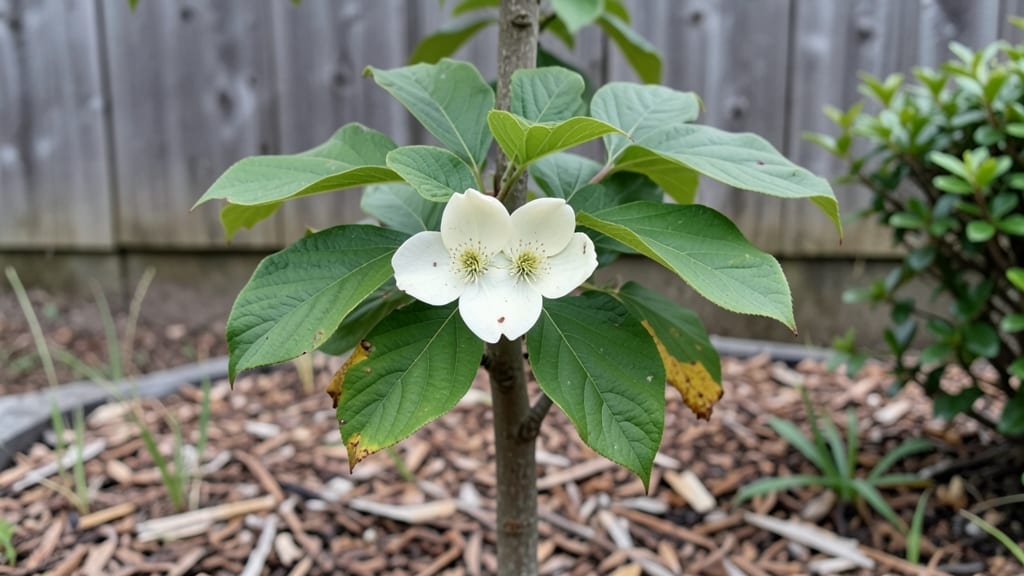
The flowering dogwood bloom transforms your yard into a spring masterpiece 🌸—but only if you know the right timing and care tricks.
Picture this: your dogwood’s buds swell with promise, then suddenly wilt before they even open. That’s the heartbreak of getting the bloom window wrong, and it happens more often than gardeners realize. The secret isn’t just patience—it’s understanding how sunlight, soil, and even last winter’s chill hours set the stage.
In Zone 6a and beyond, dogwoods typically burst into color between late March and early May, but regional shifts, pruning mistakes, and overzealous fertilizing can push that timeline months off.
I’ll show you how to read your tree’s signals, adjust care for peak performance, and troubleshoot when blooms flop—so you’re the one admiring the pink-and-white spectacle while neighbors ask how you did it.
From pruning schedules to mulch choices that extend the show, here’s everything you need to turn your dogwood’s spring display into the garden’s star attraction.
When flowering dogwoods bloom: seasonal timing by US climate Zones
The flowering dogwood (Cornus florida) transforms gardens into spring masterpieces, but its bloom timing varies dramatically across the U.S. While most trees flower between March and May, your local climate zone, elevation, and even nearby water bodies can shift those dates by 2-4 weeks.
Understanding these patterns helps you anticipate—and even influence—your dogwood’s peak display.
In USDA Zones 5–7, dogwoods often bloom earliest, with late March to early April being the sweet spot.
By contrast, Zones 8–9 may see blooms stretching into May or even June, especially in coastal areas where mild winters delay dormancy. Elevation matters too: A dogwood at 5,000 feet might bloom 3 weeks later than one at sea level.
Microclimates—like a south-facing slope or urban heat island—can also push blooms earlier. For example, my Zone 6 dogwood near a stone wall blooms a full week ahead of one planted in the open lawn. Pay attention to these local cues to predict your tree’s schedule with confidence.
🌸
If you’ve ever wondered why your neighbor’s dogwood blooms weeks before yours, the answer likely lies in their microclimate. For instance, urban areas with heat-retaining pavement can trigger blooms 10–14 days earlier than rural spots.
Meanwhile, mountainous regions often see delayed blooms due to cooler temperatures and shorter growing seasons.
To predict your dogwood’s schedule, track 3 key factors: the last frost date in your area, the number of chilling hours (below 45°F) your tree received over winter, and the soil temperature in early spring.
Most dogwoods need 800–1,200 chilling hours to bloom reliably. Use a soil thermometer to monitor when temps hit 50°F—that’s when buds typically swell.
Pro tip: White dogwoods (like ‘Cherokee Brave’) often bloom 1–2 weeks earlier than pink varieties (e.g., ‘Rubra’). If you’re planning a sequential bloom garden, mix species to extend your spring color show from March through May.
Pair a white dogwood with a late-blooming redbud or serviceberry for a layered effect.
🌿
For gardeners in Zones 8–9, where blooms may stretch into June, consider pruning lightly in late winter to encourage stronger flower buds for next year. Avoid heavy pruning after June 1st, as this can reduce next season’s blooms.
In cooler zones (5–7), focus on mulching to protect roots from spring frost and extend the bloom window.
🌳
How to trigger earlier or more vibrant dogwood blooms
Want your flowering dogwood to burst into color weeks earlier or with more intensity? The secret lies in understanding its natural triggers and making a few strategic adjustments.
Unlike many plants, dogwoods rely heavily on winter chilling hours (400–600 hours below 45°F) and proper soil conditions to set next year’s blooms. By tweaking these factors, you can turn a lackluster display into a showstopper.
Start with the basics: pruning at the right time and soil pH adjustments can dramatically improve bloom quality. Even small changes—like deep watering during drought or avoiding high-nitrogen fertilizers—make a surprising difference. Let’s break down the proven techniques that gardeners use to coax their dogwoods into peak performance.
⚠️ Common Mistake Alert: Over-Fertilizing Kills Blooms
Too much nitrogen fertilizer (like lawn food) sends your dogwood into leafy growth mode, starving its flower buds. These trees thrive on balanced 10-10-10 fertilizer applied after blooming, not before. Skip spring fertilizers entirely if your soil is already rich in organic matter.
Timing your pruning is critical. Never cut back in late summer or fall—this removes next year’s flower buds, which form on old wood. Instead, prune immediately after blooms fade (May–June) to shape the tree without sacrificing next season’s display.
Use clean, sharp pruning shears to make cuts just above outward-facing buds.
Soil pH plays a hidden but vital role. Dogwoods prefer acidic soil (pH 5.5–6.5). Test your soil—if it’s alkaline (above 7.0), amend with peat moss or sulfur to lower pH gradually.
A simple soil test kit (available at garden centers) will reveal if your dogwood’s roots are in the ideal range for vibrant blooms.
Watering matters more than most gardeners realize. Dogwoods need consistent moisture but hate soggy roots. Water deeply once a week (2–3 gallons per tree) rather than light daily doses.
Mulch with 3–4 inches of organic mulch (like shredded bark) to retain moisture and regulate soil temperature—both of which encourage robust bud formation.
Don’t overlook the power of winter chilling. If you’re in a mild climate (Zones 7–9), your dogwood might not get enough cold hours to trigger blooms. While you can’t control the weather, choosing cold-hardy cultivars (like ‘Cherokee Brave’ or ‘Cherokee Princess’) ensures better adaptation to your region’s chill requirements.
With these adjustments, your dogwood could bloom 2–3 weeks earlier or produce 20–30% more flowers next spring. The key is consistency—stick to the timing for pruning, pH, and watering, and your tree will reward you with a spectacular show year after year. 🌸