
Shrubs
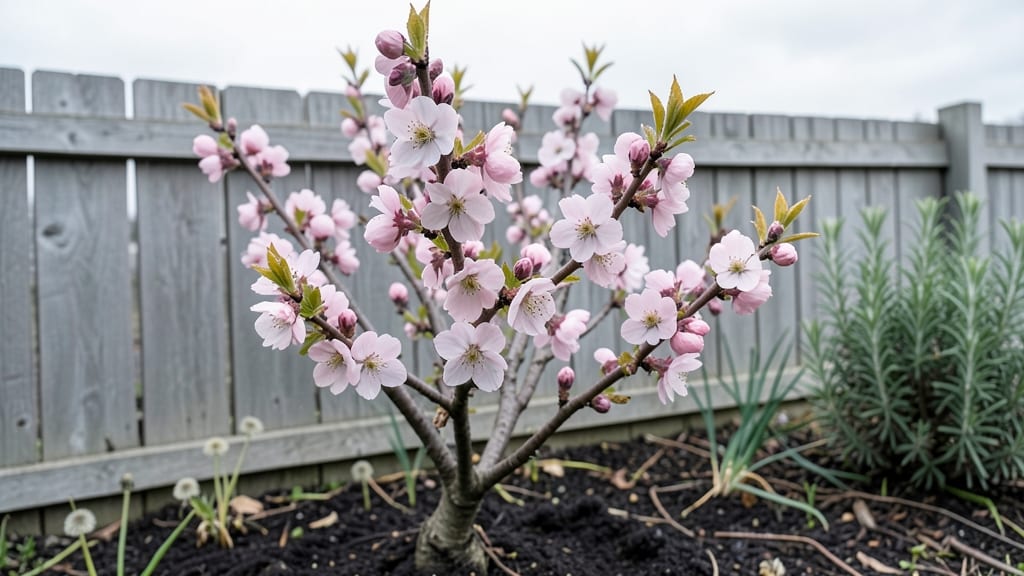
The flowering plum shrub 🌸 brings bursts of color to your garden in late winter, but its beauty fades fast if you don’t prune it right.
Picture this: You’ve waited months for those stunning pink or white blossoms to appear, only for them to look sparse or uneven. The secret? Pruning isn’t just about trimming—it’s about timing, technique, and knowing when to step back.
One wrong cut can mean fewer blooms next year, while the right moves turn your shrub into a year-round star.
Whether you’re a first-time gardener or a seasoned pro, mastering the art of pruning transforms your flowering plum from a seasonal highlight into a bold, healthy centerpiece.
From removing dead wood in winter to shaping it for spring blooms, I’ll show you exactly what to do—and when—to keep your shrub thriving in USDA Zone 6a and beyond.
Ready to unlock the secrets? You’ll learn the best pruning calendar, how to fix common mistakes, and which tools to use for clean, precise cuts that encourage bigger, brighter blooms every year.
Flowering plum shrub pruning calendar: when and how to trim for maximum blooms
Your flowering plum shrub relies on precise pruning to deliver those show-stopping spring blooms year after year. Unlike many shrubs, flowering plums bloom on old wood, meaning last year’s branches hold next season’s buds. One wrong cut can mean fewer flowers for months—so timing matters.
The key? A seasonal pruning calendar that balances bloom production with shrub health. I’ll walk you through each step, from winter cleanup to summer shaping, so you never miss a beat.
Start by understanding that flowering plums bloom before leaves emerge, making late winter the ideal time for structural pruning. But summer and fall also play critical roles: removing spent blooms too early can starve next year’s flowers, while neglecting summer growth leads to dense, tangled branches.
Below, I’ve broken down the exact when, why, and how of pruning for maximum blooms and a neat, healthy shrub.
| Season | Pruning Goal | Best Time | Tools Needed | Key Technique |
|---|---|---|---|---|
| Winter | Remove dead/diseased wood; shape structure | Late January - early March (dormant season) | Bypass pruners, loppers, sanitizer | Cut just above bud at 45° angle; avoid over-thinning |
| Spring | Light cleanup after blooming; encourage new growth | April - May (post-bloom, before new leaves) | Hand pruners, gloves | Trim only spent blooms—never more than 1/3 of branch |
| Summer | Thin dense growth; improve airflow | June - July (after 60% of new growth appears) | Bypass pruners, sanitizer | Cut back to leaf node; avoid heavy pruning |
| Fall | Minimal pruning; remove only damaged branches | October - November (before first frost) | Hand pruners, loppers | Focus on dead wood removal only; no shaping |
Winter is your golden window for structural pruning. Once the flowering plum drops its leaves (typically by late November), you can safely remove up to 25% of the shrub’s branches without risking next year’s blooms.
Use bypass pruners to make clean cuts just above a bud facing outward—this encourages growth in the right direction. Pro tip: Sanitize tools with rubbing alcohol between cuts to prevent bacterial spread, especially if your shrub had any diseased branches last year.
Spring pruning is all about light maintenance. Once the blooms fade (usually by late April), resist the urge to trim heavily—this is when next year’s flower buds are forming. Instead, remove only spent blossoms and any branches that crossed or rubbed together.
A quick pass with hand pruners keeps the shrub tidy without sacrificing future blooms. If you notice water sprouts (thin, vertical shoots), snip them off at the base—they drain energy from the main structure.
Summer pruning might seem counterintuitive, but it’s essential for airflow and light penetration. By mid-July, your flowering plum should have 60% of its new growth in place. This is the time to thin out dense areas by cutting back branches to a leaf node (the bump where leaves attach).
Avoid heavy pruning—stick to removing no more than 10% of the foliage to prevent stress. Use sharp loppers for thicker branches, and always cut at a 45° angle to prevent water pooling.
Fall pruning is minimal, but critical for winter survival. By October, your shrub is preparing for dormancy, so limit yourself to removing only dead, diseased, or broken branches. Avoid heavy shaping—this can stimulate new growth that won’t harden off before frost.
If you must prune, do so before the first frost (typically by mid-October in Zone 6a) and use clean, sterilized tools to prevent fungal infections during the dormant season.
One of the biggest mistakes gardeners make is pruning at the wrong time. For example, cutting back old wood in summer removes next year’s flower buds, while trimming too late in fall can leave wounds vulnerable to winter dieback.
Another common error? Over-pruning—never remove more than 25% of the shrub’s canopy in a single season. To encourage bigger blooms, focus on selective thinning rather than aggressive shaping.
For maximum blooms, pair pruning with proper fertilization timing. Apply a balanced 10-10-10 fertilizer in early spring (after pruning) to fuel new growth. Avoid summer feeding—it can lead to soft, weak stems that struggle in winter.
Mulch around the base with 2-3 inches of organic matter (like shredded bark) to retain moisture and protect roots. Water deeply once a week during the growing season, but reduce to monthly in winter to prevent root rot.
If your flowering plum’s blooms are sparser than expected, it might be time to reassess your pruning habits. Start by checking for over-pruned branches—these often produce fewer flowers.
For a revival boost, prune back one-third of the oldest branches in winter to stimulate new growth. Pair this with a light spring feeding and increased watering (but avoid
5 Common flowering plum pruning mistakes that kill blooms (and how to fix them)
Even the most experienced gardeners can accidentally sabotage their flowering plum shrub with pruning mistakes. I’ve seen beautiful shrubs reduced to sparse bloomers—or worse, no blooms at all—because of just a few common errors. The good news?
These mistakes are easy to spot and fix if you know what to look for. Let’s dive into the top 5 pruning blunders that rob your shrub of its vibrant spring display, and how to reverse the damage.
First, the most critical mistake is pruning at the wrong time. Since flowering plums bloom on old wood, cutting back branches during the growing season removes next year’s flower buds.
Many gardeners trim after seeing blooms in spring, thinking they’re tidying up—but this actually reduces next year’s flowers by up to 50%. The fix? Wait until after blooming (late May) for light cleanup, but save major pruning for late winter when the shrub is dormant.
⚠️ callout warning
⚠️ Deadly Mistake Alert: Cutting into the Branch Collar
The branch collar (that swollen area where a branch meets the trunk) is your flowering plum’s lifeline. Cutting into it—even by a millimeter—creates an open wound that invites bacterial infections and fungal diseases. This mistake is especially common when pruning thick branches with dull tools. Always cut just outside the branch collar, at a 45° angle, to preserve this critical tissue.
🌱 Fix it: Use sharp bypass pruners and make your cut 1/8 inch outside the collar, leaving the collar intact.
Another frequent error is over-pruning, which weakens the shrub and reduces blooms. Many gardeners aim for a "neat" look by removing too much foliage—sometimes up to 40% of the canopy in one session. This stresses the plant and leaves fewer branches to produce flowers.
The rule of thumb? Never remove more than 25% of the shrub’s branches in a single year. For a revival boost, spread pruning over 2-3 years, removing only one-third of the oldest branches each winter.
Many gardeners also make the mistake of using dull or dirty tools, which tear branches instead of making clean cuts. Ragged edges slow healing, invite pests, and increase the risk of disease spread.
Always use sharp bypass pruners and sanitize them with rubbing alcohol between cuts. For thicker branches, switch to loppers—but never use hedge trimmers, which crush branches and damage the vascular tissue.
One subtle but costly mistake is ignoring water sprouts, those thin, vertical shoots that pop up in spring. These energy vampires drain nutrients from the main structure, leading to smaller blooms and weaker growth. The fix?
Snip them off at the base as soon as you spot them—ideally in late winter or early spring—before they sap the shrub’s energy. Pro tip: Water sprouts often appear where the shrub is overcrowded, so thin out dense areas while you’re at it.
Finally, many gardeners forget to prune for airflow, leading to dense, shaded interiors where fewer blooms develop. Without proper light penetration, the inner branches produce sparse flowers and may even die back.
To fix this, focus on selective thinning in summer: remove branches that cross or rub and open up the center of the shrub. Aim for a balanced shape where light reaches all branches—this ensures even blooming from top to bottom.
If your flowering plum’s blooms are already sparse, don’t panic. Start by identifying which mistake you’ve made (or which ones!) and correct it immediately. For example, if you’ve been over-pruning, focus on preserving old wood in future cuts.
If you’ve ignored water sprouts, prioritize removing them next winter. With the right adjustments, your shrub can rebound in just one growing season—and next spring’s blooms will be bigger and brighter than ever.