
Flowers
February's chill shouldn't dim your garden dreams. These 10 cold-hardy flowers defy winter's grip, offering vibrant colors and fresh blooms when most plants remain dormant. Perfect for gardeners eager to beat seasonal blues and attract early pollinators.
Snowdrops Galanthus Nivalis
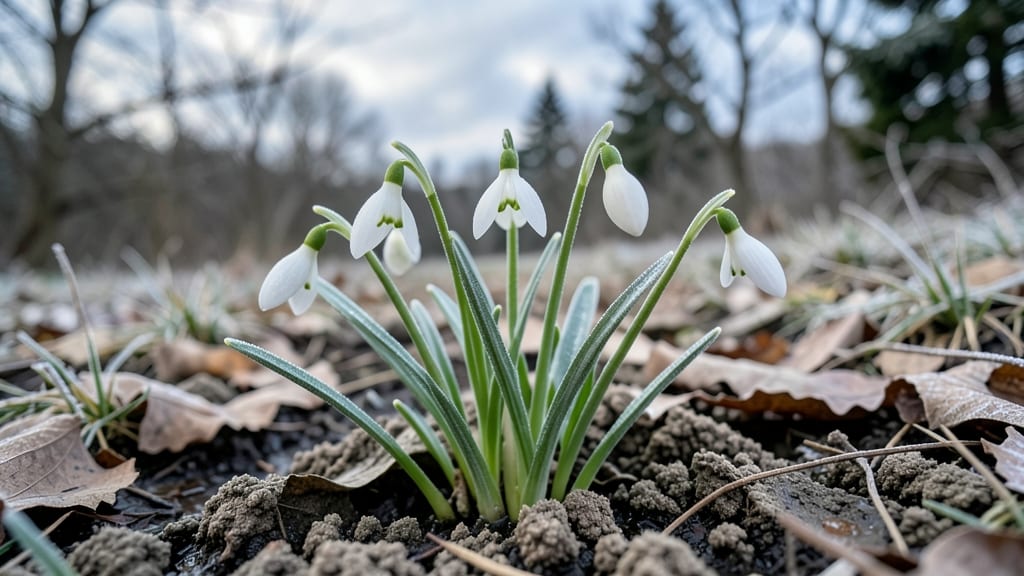
When most gardens lie dormant under winter's frost, snowdrops (Galanthus nivalis) burst through the soil like tiny white lanterns, signaling spring's arrival. These delicate perennials thrive where others fail—in deep shade and through temperatures as low as -20°F, making them the unsung heroes of woodland gardens and shady borders.
Plant snowdrops in well-draining soil under deciduous trees or along foundations where sunlight is scarce. Their early blooms (February-March) provide critical nectar for bees and early pollinators when food is scarce. Once established, they multiply effortlessly, creating naturalizing drifts that brighten dark corners year after year.
Perfect for beginners or urban gardeners with limited sun, snowdrops reward patience with decades of blooms—and they're deer-resistant too! 🌱
Winter Aconite Eranthis Hyemalis
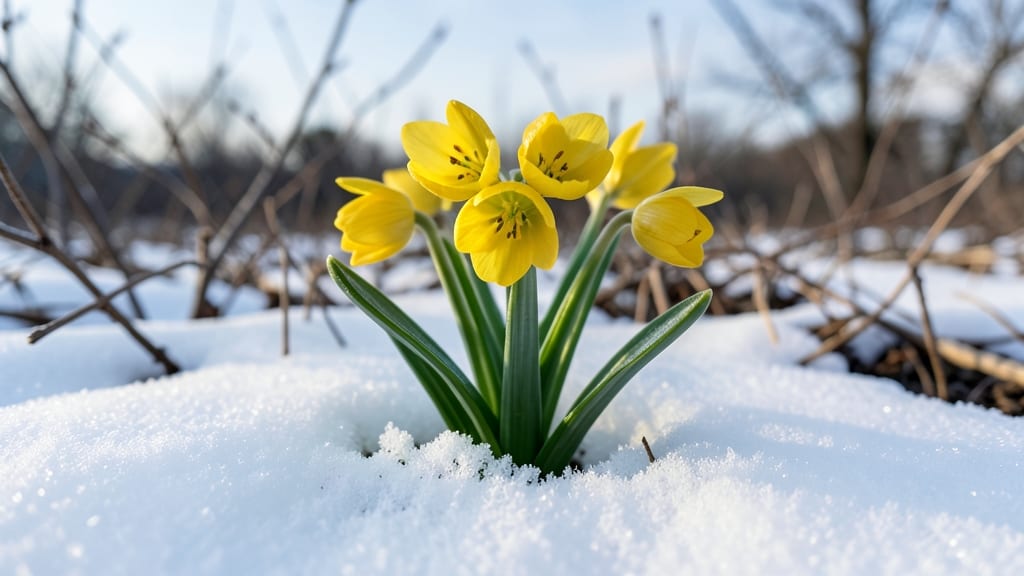
When most gardens look like a winter wasteland, winter aconite (Eranthis hyemalis) bursts through the snow with cheerful bright yellow blooms, creating a stunning contrast against white landscapes. This hardy perennial thrives where other flowers falter, making it a standout for sunny borders or containers.
Plant bulbs in well-draining soil during fall, 2-3 inches deep in full sun to partial shade. The glossy, heart-shaped leaves appear before flowers, adding year-round interest. Unlike many winter bloomers, winter aconite tolerates dry conditions once established, making it ideal for rock gardens or urban containers.
Perfect for gardeners in zones 4-8, this early bloomer brightens dark corners and attracts bees when little else is in flower. Its bold color makes it a conversation starter—especially when it blooms through fresh snowfall. ✨
Hellebore Lenten Rose
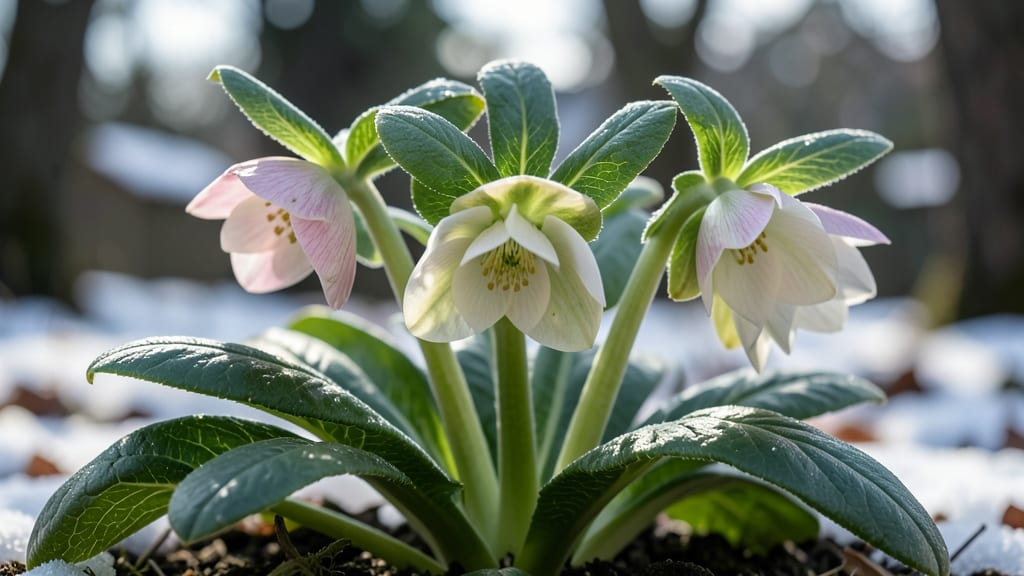
When most winter flowers bow out, hellebores (Lenten Rose) stand tall with their nodding blooms and glossy, evergreen leaves. These understated beauties thrive in partial shade, making them perfect for shady spots where other plants struggle.
Available in soft pinks, whites, and even chartreuse, hellebore flowers bloom from late February through April, providing color when your garden needs it most. They're deer-resistant and thrive in USDA zones 4-9, with minimal care—just keep soil consistently moist and mulch to protect roots in winter. Their unique, backward-facing blooms also attract early pollinators like bees and butterflies.
Ideal for gardeners with shady borders or woodland gardens, hellebores offer year-round interest with their evergreen foliage and seasonal blooms. 🌿
Crocus Vernus Early Spring Crocus
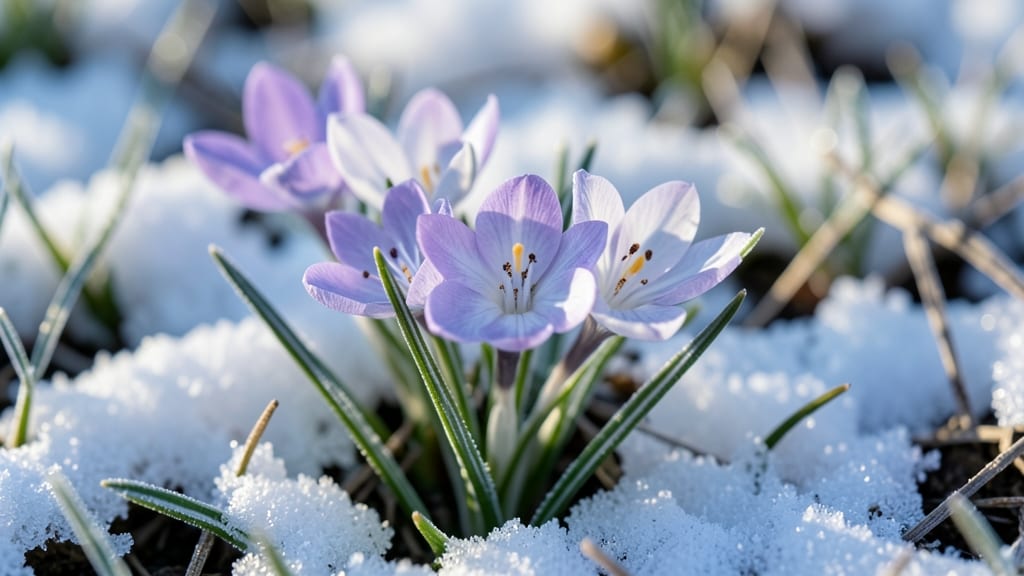
When you're craving color in late winter, Crocus vernus delivers cheerful purple or white blooms that emerge even before snow melts. These tiny but determined flowers thrive in USDA zones 3-8, making them one of the most reliable February bloomers for northern gardens.
Plant them in full sun to partial shade, and they'll naturalize effortlessly in lawns or rock gardens. Their self-seeding habit means you'll see more blooms each year with zero effort. For best results, plant corms in fall at 3-4 inches deep—no special soil prep required. 🌱
Puschkinia Scilloides Star of Persia
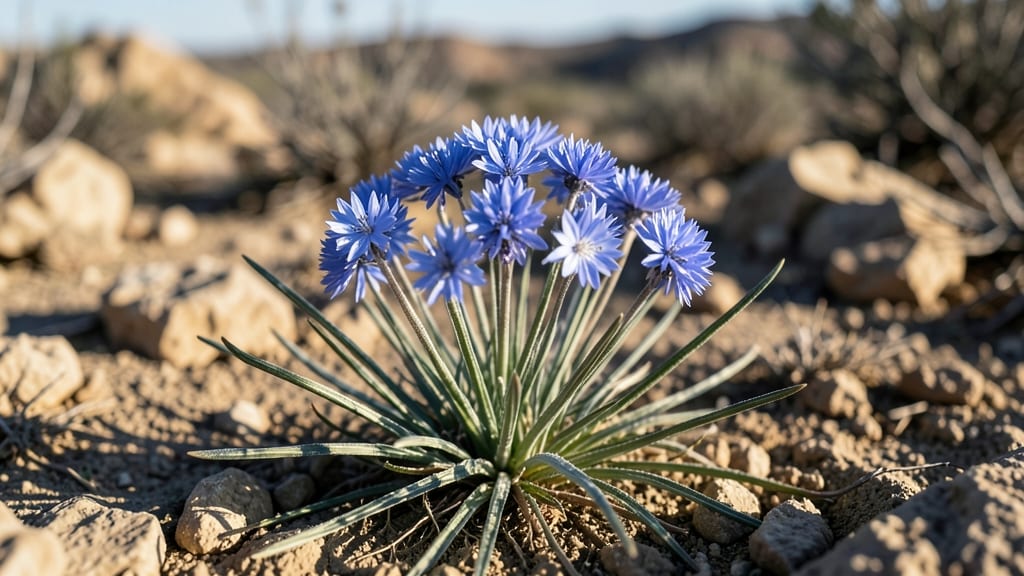
If you've ever struggled to find flowers that thrive in dry, sunny spots where most winter bloomers would wither, Puschkinia scilloides—or "Star of Persia"—is your answer. This underrated gem produces clusters of star-shaped blue flowers that burst forth in early spring, defying the harshest winter conditions with effortless elegance.
Unlike moisture-loving winter flowers, this drought-tolerant beauty thrives in full sun and well-draining soil, making it perfect for rock gardens, slopes, or containers. Plant bulbs in fall at 4-inch depth in groups of 10-20 for maximum impact—they'll reward you with February blooms that last for weeks. Bonus: Deer and rodents typically leave them alone, so you won’t need extra protection.
Rock garden enthusiasts and low-maintenance gardeners will love this self-sufficient plant, which multiplies over time without needing division. For a pop of color in the most challenging spots, Puschkinia scilloides delivers where others fail. ✨
Daffodil Galanthus Nivalis Early Varieties
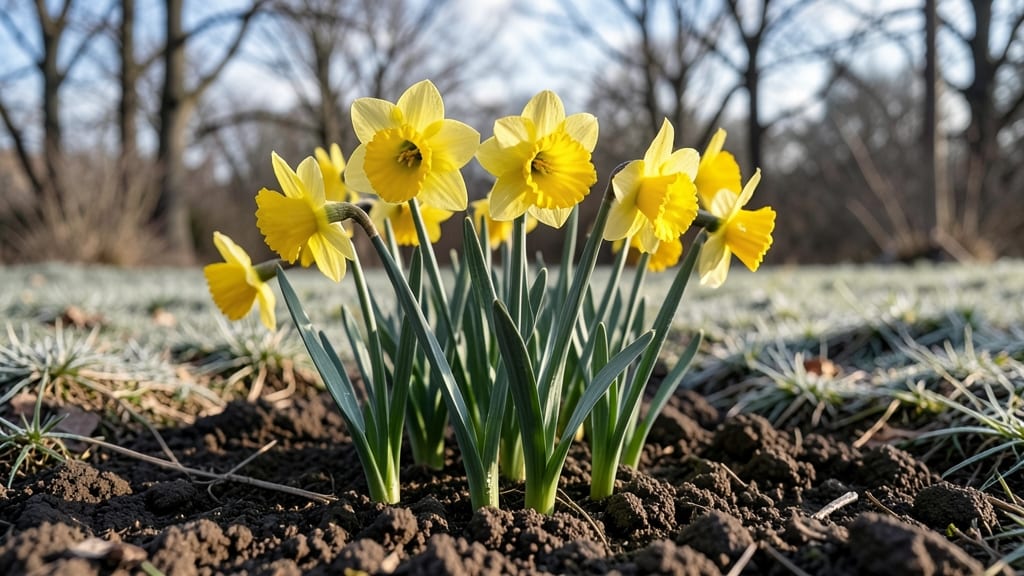
When winter feels endless, early daffodils like 'February Gold' burst through the gloom with their bright yellow blooms, offering a burst of sunshine when you need it most. These hardy varieties thrive in USDA zones 3-8, making them perfect for gardeners in colder climates who crave color before spring arrives.
Plant bulbs in fall (6-8 weeks before ground freezes) for blooms as early as late January, often before snow melts. Their cheerful flowers attract early bees, giving pollinators their first food source of the year. Perfect for dark corners or under trees where other plants struggle, these daffodils bring life to forgotten spots.
Urban gardeners and beginners will love their low-maintenance nature—just ensure well-draining soil and minimal watering once established. These daffodils prove winter gardens can be vibrant and full of life. 🌻
Primrose Primula Vulgaris
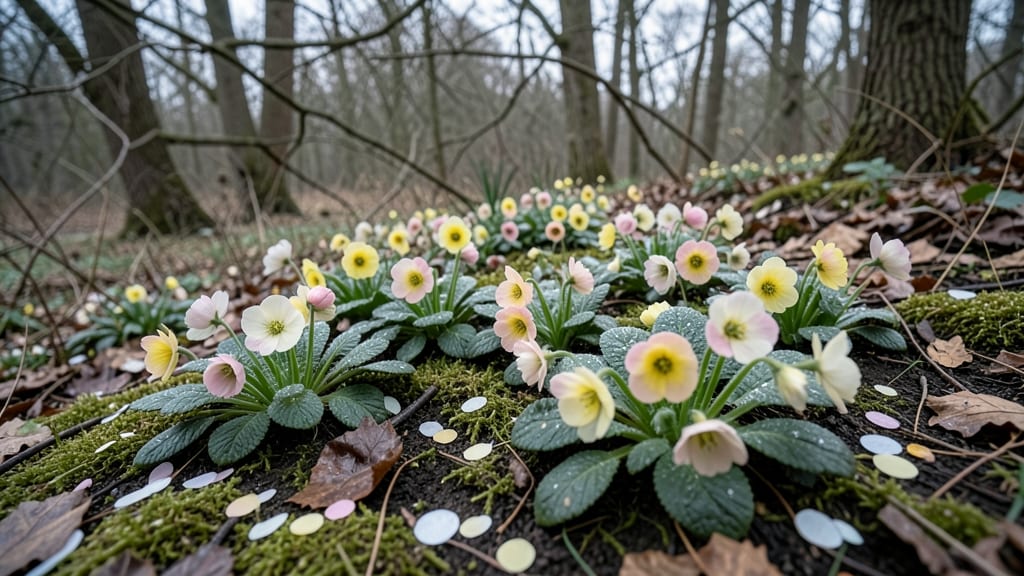
Looking for a pastel pop of color in your February garden? The primrose (Primula vulgaris) delivers soft, dreamy blooms in yellow, pink, and white that thrive where others falter—moist, shaded spots that most winter flowers avoid. These cheerful faces appear just as bees wake from hibernation, making them a crucial food source for early pollinators.
Plant primroses in well-draining soil enriched with compost, keeping them consistently moist (but not soggy) for peak blooms. They’re perfect for cottage gardens, woodland edges, or under trees where dappled light filters through. Deadhead spent blooms to encourage more flowers, and divide clumps every 3-4 years to prevent overcrowding. Their fragrant charm and long bloom season (February through April) make them a standout for gardeners who love low-maintenance beauty.
Whether you're filling a shady corner or creating a pollinator-friendly haven, primroses bring effortless elegance to winter gardens. They’re especially rewarding for gardeners who adore romantic, old-fashioned styles or want to support early-season wildlife. 🌷
Cyclamen Coum Winter Cyclamen
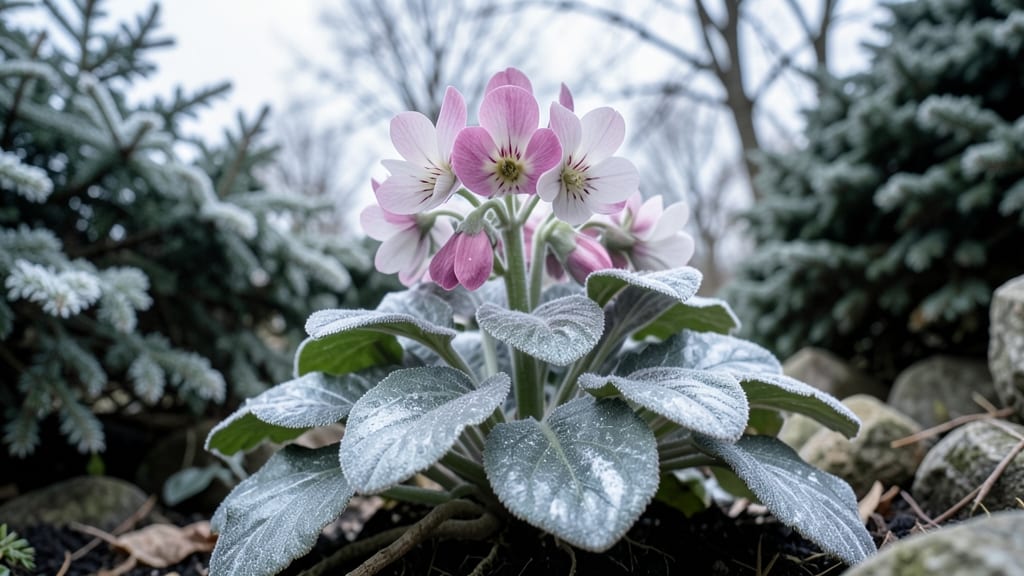
When you crave a pop of color during the bleakest winter months, Cyclamen coum delivers with its striking silver-marked foliage and delicate pink or white blooms that appear in late February. Unlike other winter flowers, this Mediterranean native thrives in partial shade, making it perfect for under trees or along north-facing walls where sunlight is scarce.
Plant bulbs in well-draining soil during fall for winter blooms, and group them in containers or shaded borders for a naturalized look. The flowers nod gracefully on stems, revealing their unique marbled leaves as they fade—adding year-round interest. Urban gardeners will love how this plant brightens patios and balconies without demanding full sun.
Perfect for gardeners who want low-maintenance beauty in tricky spots, Cyclamen coum proves winter doesn't have to be dull. 💚
Viola Cornuta Johnny Jump-Up Pansy
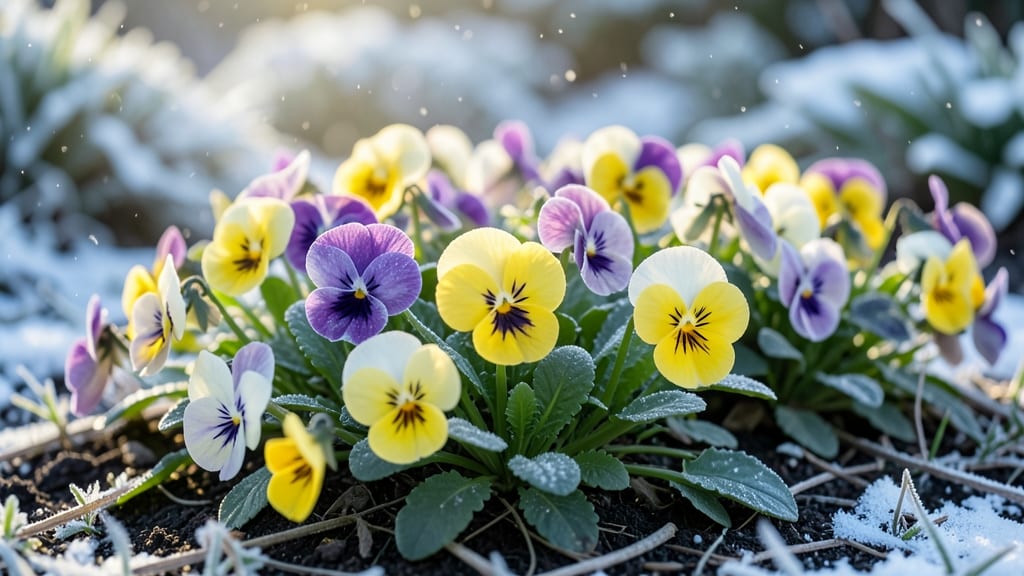
When you need a year-round splash of color, Johnny Jump-Up pansies (Viola cornuta) deliver with their cheerful faces and cold-hardy resilience. Unlike traditional pansies that fade in winter, these thrive in USDA zones 3-10 and bloom continuously from late fall through spring—even under snow.
Plant them in well-draining soil with 4-6 hours of sun, and they’ll reward you with blooms in vibrant hues like purple, yellow, and bi-color. Their compact size makes them ideal for edging garden beds, lining walkways, or spilling over container edges. For extra longevity, deadhead spent blooms to encourage more flowers, and fertilize lightly in early spring.
These are the perfect choice for urban gardeners with limited space or beginners who want low-maintenance color. Their ability to bounce back after frost makes them a reliable February favorite. 🌟
Papaver Hylomecon Fumewort

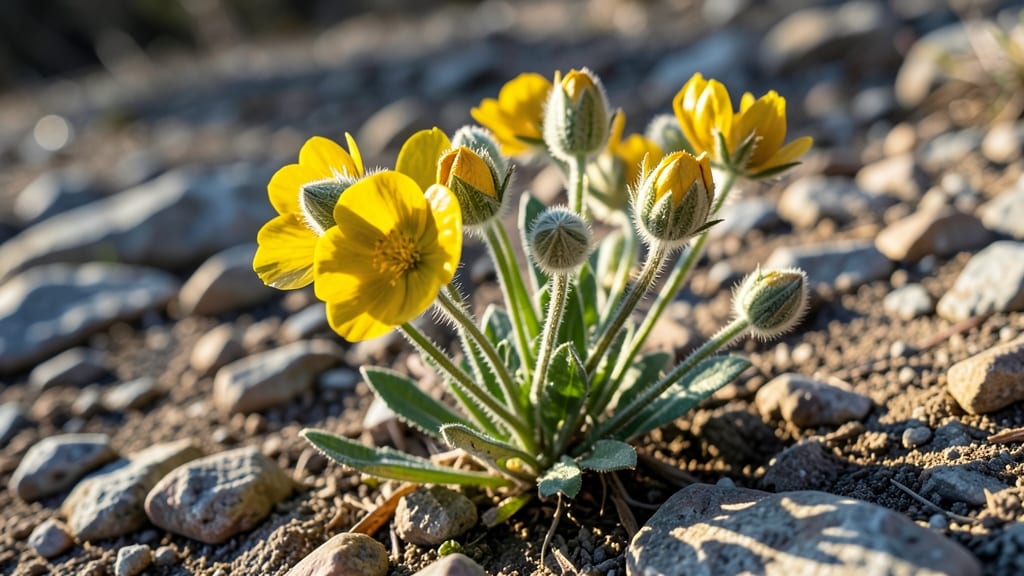
When most winter flowers wilt under harsh conditions, Papaver hylomecon—or fumewort—stands out with its bright yellow blooms and velvety fuzzy buds that defy February's chill. This underrated perennial thrives in dry, sunny spots where moisture-loving plants would struggle, making it ideal for rocky slopes or south-facing borders.
Native to woodlands and meadows, fumewort blooms in late winter to early spring, offering a cheerful contrast to dormant gardens. Its airy stems and delicate petals create a unique texture, while its drought tolerance means you won’t need to fuss over watering. Perfect for gardeners with sunny, well-drained soil who want something different from traditional winter bloomers.
This low-maintenance beauty is especially rewarding for those with urban gardens or containers, as it adapts well to confined spaces. Add it to your February garden for a pop of color that’s as resilient as it is striking. 🌻