
Blooming
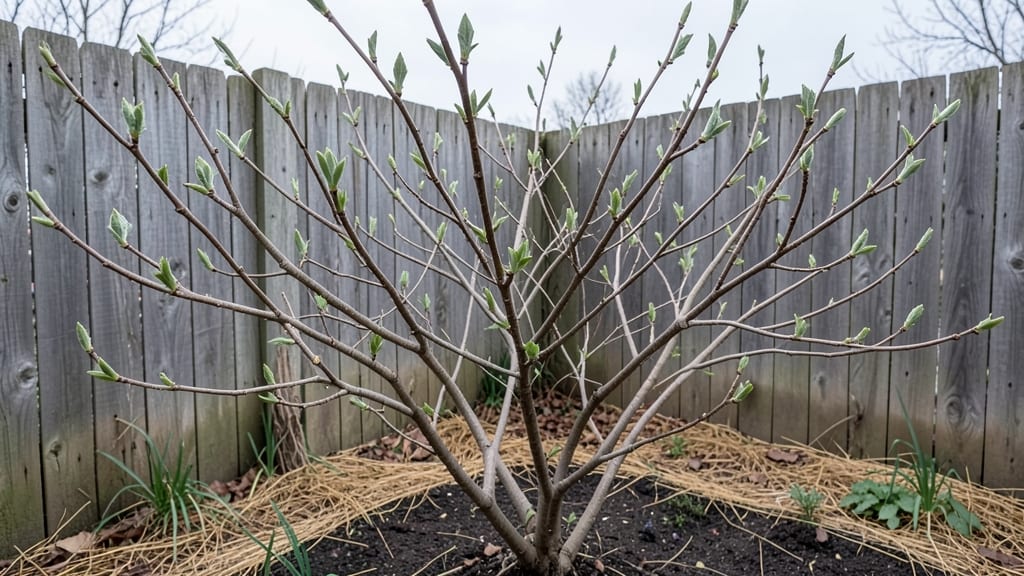
Your forsythia bush not blooming this spring might be waiting for a little nudge—specifically, the right kind of pruning at the right time. ✨ I’ve seen these golden-yellow shrubs go from bare branches to bursting with color just by adjusting when and how we cut them back, and it’s easier than you’d think.
The biggest culprit? Pruning at the wrong time. Forsythias bloom on last year’s growth, so cutting them back after they’ve flowered (or worse, in late summer) leaves nothing to bloom from next year.
Even cold damage or poor sunlight can hold them back—but the fix is simple once you know the signs. I’ll show you how to check for these issues and what to do about them.
By late March or early April, you’ll be shaping those branches just right to trigger a flush of bright yellow flowers by mid-spring. The key is timing: wait until after the blooms fade but before new growth starts.
Within weeks, you’ll see fresh green shoots—and next year, a bush full of cheerful blooms.
This trick works for forsythias in both ground beds and containers, and it’s foolproof once you get the rhythm. Let’s get those branches ready to shine again!
Why it happens
A forsythia bush that refuses to bloom can be frustrating, especially when you’ve admired its bright yellow flowers in neighbors’ yards. The good news? Most cases of non-blooming forsythia are fixable with the right understanding of plant biology and timing.
Below, we break down the real culprits behind dormant branches—and how to diagnose them like a pro.
🌱 Age or Over-Maturity
Forsythias are early bloomers, meaning they set flower buds in late summer or early fall for the following spring. If your bush is older than 10–15 years, it may have outgrown its blooming prime.
Over time, the plant’s energy shifts from producing flowers to maintaining dense foliage and structural growth.
- Why it happens: Mature forsythias develop woody, thick branches that struggle to support new flower buds. The plant prioritizes survival over showy blooms.
- Actionable fix:
- 🔪 Rejuvenate with a hard prune: Cut back one-third of the oldest stems to the ground in early spring (before buds swell). This encourages younger, more vigorous growth that’s more likely to bloom.
- 🌱 Replace if needed: If the bush is over 20 years old and still refuses to bloom, consider propagating cuttings from younger stems or replacing it with a new plant.
❄️ Late or Insufficient Winter Chill
Forsythias require a period of dormancy triggered by cold temperatures to break their buds. Without enough chill hours (500–1,000 hours below 45°F), the plant may skip flowering entirely.
- Why it happens:
- 🌡️ Mild winters: Regions with consistently warm winters (e.g., Zone 8+) may not provide enough chill, confusing the bush into thinking it’s not time to bloom.
- ❄️ Urban heat islands: Paved areas or buildings can raise local temperatures, reducing chill accumulation.
- Actionable fix:
- 📅 Monitor chill hours: Use a chill hour calculator to check if your area meets requirements. If not, consider microclimate adjustments (e.g., planting in a cooler spot).
- 🌿 Choose cold-hardy varieties: Some forsythias, like Forsythia × intermedia, tolerate fewer chill hours than traditional types.
✂️ Poor Pruning Timing or Technique
Pruning at the wrong time or too aggressively can remove next year’s flower buds before they form. Forsythias bloom on old wood, meaning buds develop on last year’s growth—so cutting back after blooming severs potential flowers.
- Why it happens:
- 🗓️ Post-bloom pruning: Trimming after the flowers fade (April–May) removes 90% of the current year’s buds.
- 🔥 Over-pruning: Cutting back more than 25–30% of the plant in one season stresses the bush, diverting energy away from flowering.
- Actionable fix:
- ⏰ Prune immediately after blooming: Wait until after the last frost but before new growth hardens (early to mid-spring). This ensures you’re only removing spent flowers, not buds.
- 🌿 Shape lightly: Focus on removing only dead or crossing branches—avoid heavy thinning unless rejuvenating an old bush.
💧 Nutrient Deficiencies or Stress
Forsythias are low-maintenance shrubs, but they do need balanced care to produce flowers. Stress from poor soil, drought, or over-fertilizing can divert energy away from blooming.
| Culprit | Signs | Fix |
|---|---|---|
| Nitrogen-heavy fertilizer | Lush foliage but no flowers; rapid leaf growth. | Switch to a balanced 10-10-10 or bloom-boosting fertilizer (e.g., 5-10-10) in early spring. |
| Drought stress | Wilting leaves, stunted growth, or premature leaf drop. | Water deeply 1–2 times per week during dry spells (1–1.5 inches per week). Mulch to retain moisture. |
| Compacted or poor soil | Slow growth, yellowing leaves, or fewer buds. | Amend soil with compost or aged manure in early spring. Test soil pH (ideal: 6.0–7.0). |
🐞 Pests or Diseases
While forsythias are resistant to most pests, severe infestations or fungal issues can weaken the plant, reducing its ability to bloom. Common offenders include:
- Japanese beetles or aphids: Skewer leaves, causing stress.
- Powdery mildew: White fungal coating on leaves, blocking sunlight.
- Borers or scale insects: Tunnel into stems, disrupting nutrient flow.
Why it happens: Infestations or diseases divert the plant’s energy into defense mechanisms, leaving little for flower production.
Actionable fix:
- 🚿 Treat early: Spray with neem oil or insecticidal soap for pests. For mildew, use baking soda spray (1 tsp baking soda + 1 quart water + drop of soap).
- 🌿 Prune infected branches: Remove and dispose of heavily damaged stems to prevent spread.
How to solve it
If your forsythia bush is sitting quietly without a single bloom, don’t panic—spring is your best ally! The key to coaxing vibrant yellow flowers lies in understanding the root cause and taking targeted action.
Below, we’ve mapped out practical solutions for the most common reasons why your forsythia might be playing hard to bloom, along with prevention tips to keep it thriving for years to come.
🌱 Overdue Pruning: Trimming for Next Year’s Blooms
Forsythias bloom on old wood, meaning last year’s growth holds next spring’s flowers. If you’ve pruned at the wrong time (like after blooming) or too aggressively, you’ve likely trimmed away potential buds.
🔪 How to Fix It:
- Wait until late spring or early summer (after blooming) to prune. This ensures you’re not cutting back the current year’s flower buds.
- Remove only dead, diseased, or crossing branches. Use clean, sharp pruners to make cuts just above a bud or leaf node.
- Avoid heavy pruning. Forsythias respond poorly to drastic cuts—stick to shaping rather than thinning.
💡 Prevention Tips:
- Mark the blooming season on your calendar and prune after the flowers fade.
- If your bush is overgrown, never cut more than 1/3 of the foliage at once—gradual pruning is gentler.
- Consider a light annual trim in late summer to encourage bushier growth for next year.
☀️ Insufficient Sunlight: Finding the Right Spot
Forsythias are sun-worshippers and need 6+ hours of direct sunlight daily to produce abundant blooms. Shady spots or newly planted bushes in low-light areas often struggle to flower.
🌞 How to Fix It:
- Assess sunlight exposure. If your bush is in partial shade (e.g., under trees or near a north-facing wall), consider relocating it.
- Gradual transition: If moving isn’t an option, acclimate the bush slowly by exposing it to more sunlight over 2–3 weeks.
- Prune nearby obstructions (like overgrown shrubs or trees) to improve light penetration.
🌿 Prevention Tips:
- When planting, choose a south- or west-facing location with minimal shade.
- Avoid planting near large trees—root competition and shade will stunt blooms.
- If your yard is shady, opt for a dwarf forsythia variety (like ‘Little Gold’) that tolerates partial shade better.
💧 Water or Nutrient Stress: Hydration & Feeding Fixes
Drought, overwatering, or poor soil nutrition can cause forsythias to skip blooming. These bushes thrive in well-draining soil with consistent moisture but hate soggy roots or nutrient deficiencies.
💧 How to Fix It:
- Check soil moisture. Stick your finger 2 inches into the soil—if it’s dry, water deeply. If it’s muddy, reduce watering and improve drainage.
- Fertilize in early spring with a balanced, slow-release fertilizer (10-10-10 or similar). Avoid high-nitrogen fertilizers, which promote leafy growth at the expense of flowers.
- Mulch around the base (2–3 inches of organic mulch like shredded bark) to retain moisture and regulate soil temperature.
🍽️ Prevention Tips:
- Water deeply but infrequently—aim for 1–1.5 inches per week, including rainfall.
- Test your soil’s pH (ideal range: 6.0–7.0). Amend with lime (to raise pH) or sulfur (to lower it) if needed.
- Add compost or aged manure to the soil annually to boost organic matter and nutrient availability.
❄️ Winter Damage: Protecting Next Year’s Blooms
Late frosts, harsh winters, or improper winter care can damage buds before they even open. Forsythias are somewhat cold-hardy, but extreme conditions (like below 0°F) may cause bud dieback.
🏔️ How to Fix It:
- Inspect branches for damage. Healthy buds are plump and firm; shriveled or brown buds are dead and won’t bloom.
- Prune out dead wood in late winter or early spring to encourage new growth.
- Protect young bushes in harsh climates with a light burlap wrap or mulch pile around the base.
❄️ Prevention Tips:
- Choose cold-hardy varieties (like ‘Spectabilis’ or ‘Knick Knack’) if you live in Zone 5 or colder.
- Avoid winter pruning—wait until after blooming to prune.
- If late frosts are common in your area, plant forsythias near a south-facing wall for extra warmth.
🐞 Pest or Disease Pressure: Keeping Invaders Away
Pests like aphids, scale, or borers and diseases (e.g., powdery mildew) can stress your forsythia, diverting energy away from flowering. Yellowing leaves, sticky residue, or black spots are red flags.
🦟 How to Fix It:
- Identify the problem:
- Aphids/scale: Sticky leaves, tiny bugs.
- Borers: Sawdust-like frass at branch bases.
- Powdery mildew: White, powdery coating on leaves.
- Treat chemically or organically:
- For pests: Spray with neem oil or insecticidal soap (follow label instructions).
- For borers: Apply systemic insecticide or prune and burn infested branches.
- For mildew: Use baking soda spray (1 tsp baking soda + 1 quart water + a drop of soap).
- Prune and dispose of infected parts immediately to prevent spread.
🛡️ Prevention Tips:
- Inspect your forsythia weekly in spring/summer for early signs of pests.
- Encourage beneficial insects (like ladybugs) by planting companion flowers (e.g., marigolds).
- Improve air circulation by spacing bushes properly and avoiding overcrowding.
With these targeted fixes, your forsythia should be bursting with golden blooms by next spring. Start with one or two solutions that match your bush’s current condition, and don’t forget—patience is key! Forsythias reward consistent care with stunning displays of color.
Frequently asked questions
Why won’t my forsythia bush bloom even after proper pruning?
If pruning didn’t solve the issue, check for insufficient sunlight—forsythias need 6+ hours of direct sun daily. Also, test your soil’s pH (ideal: 6.0–7.0), as nutrient deficiencies or compacted soil can prevent blooming. A mild winter without enough chill hours (500–1,000 hours below 45°F) might also be the culprit. Try relocating your bush to a sunnier spot and monitor your area’s chill hours for next year.
Can I still save my forsythia if it’s over 15 years old?
Older forsythias may need a rejuvenation prune—cut back one-third of the oldest stems to the ground in early spring. This encourages younger, more vigorous growth that’s more likely to bloom. If the bush is over 20 years old and still refuses to flower, consider propagating cuttings from younger stems or replacing it with a new plant to revive your garden’s golden-yellow display.
How do I know if my forsythia has enough chill hours for blooming?
Use an online chill hour calculator to check your region’s data. Forsythias typically need 500–1,000 hours below 45°F to trigger blooming. If your area falls short, try planting a cold-hardy variety like Forsythia × intermedia or adjust the microclimate by planting near a south-facing wall or in a cooler spot. Mild winters often confuse the plant into thinking it’s not time to bloom!
What should I do if my forsythia has powdery mildew?
Powdery mildew can stress your forsythia, diverting energy away from blooming. Spray affected leaves with a baking soda solution (1 tsp baking soda + 1 quart water + a drop of soap) to treat it. Prune and dispose of heavily infected branches, then improve airflow around the bush by spacing it properly. For prevention, avoid overhead watering and consider planting companion flowers like marigolds to attract beneficial insects.
Is it too late to fix my forsythia if it’s already spring?
Not necessarily! Focus on correcting sunlight exposure and fertilizing with a bloom-boosting formula (like 5-10-10) now. Prune out dead or diseased branches, but avoid heavy trimming until late spring/early summer. With consistent care, your forsythia can still produce blooms next year—just be patient and monitor its progress!