
Blooming
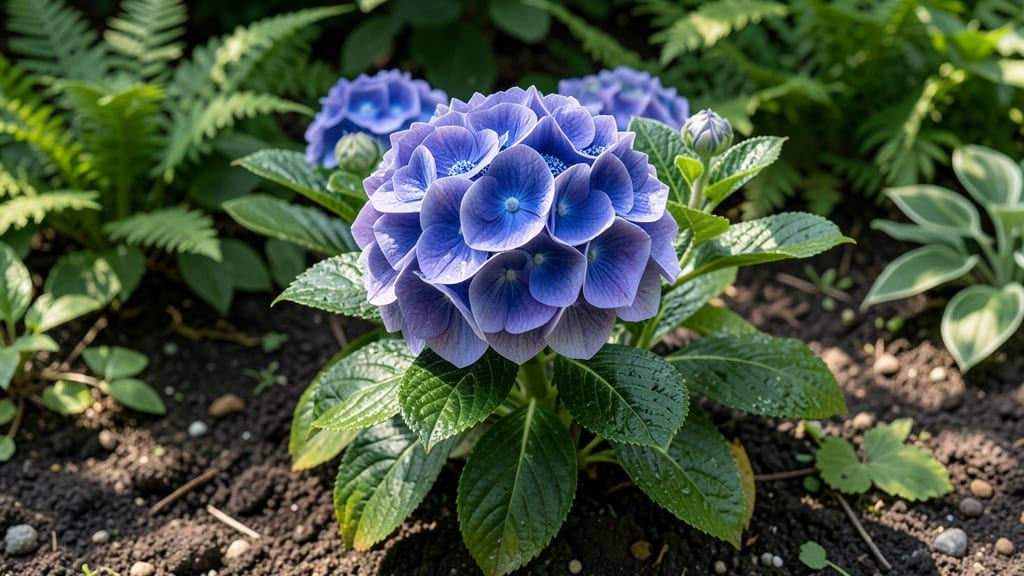
Pruning your single-bloom hydrangea in late winter unlocks next summer's showstopper blooms. ✂️ I've learned the hard way—skipping this step means fewer, smaller flowers and leggy stems. The right cuts now mean clusters of football-sized blooms by July, not just a handful of tiny flowers.
These hydrangeas (like 'Limelight' or 'Little Lime') bloom on new wood, so aggressive pruning isn't scary—it's essential. Start by removing dead stems first, then cut back healthy ones to just above a strong outward-facing bud.
The goal is to shape a vase-like form while encouraging fresh growth from the base. Most varieties need 30-45 minutes of work per plant, and the payoff is dramatic.
After pruning, you'll see thick, green shoots emerging by spring, each capable of producing multiple blooms. The flowers themselves start as tiny buds in early summer, then swell into their signature cone shapes by mid-season.
With proper care, your plant will reward you with 6+ weeks of continuous blooms—far longer than many other hydrangeas.
This method works for all Hydrangea paniculata varieties, from dwarf cultivars to towering specimens. The key is timing—prune when the plant is dormant but before new growth begins. For southern climates, wait until late February to avoid frost damage to fresh cuts.
📚 In This Guide
- What you need
- Instructions
- Tips and common mistakes
- Wrapping up and next steps
What you need
- ● Pruning shears: Sharp, bypass-style shears (4–6" blades) for clean cuts. Dull blades crush stems—no good!
- ● Loppers: 8–10" bypass loppers for thicker branches (up to 1.5" diameter).
- ● Hand pruners: Small, anvil-style pruners (for deadheading tiny stems).
- ● Gloves: Heavy-duty gardening gloves (to protect from thorns and sap).
- ● Disinfectant: 70% isopropyl alcohol or a pruning sealant (to prevent disease spread).
- ○ Twine or plant ties: (Optional) For securing branches post-pruning if needed.
- ● Know your hydrangea type: Bigleaf (H. macrophylla): Prune right after flowering (late summer/fall).
- ● Panicle (H. paniculata): Prune in late winter/early spring.
- ● Weather check: Prune on a dry, cloudy day (avoid midday sun to reduce stress on the plant).
- ● Safety gear: Safety glasses (if dealing with large branches or debris).
- ● Sterilize tools: Wipe blades with alcohol between cuts to avoid spreading bacterial wilt or fungal infections. 🔥
- ○ Mark your cuts: Use a white chalk marker (optional) to outline pruning spots for precision.
- ● Compost dead blooms: Collect pruned flowers to add to your compost pile—nutrient recycling at its finest! ✨
Instructions for pruning single bloom hydrangeas
Here’s how I transform my hydrangeas into next year’s showstoppers—no guesswork, just strategic cuts.
✂️ Step 1: Identify the Right Time to Prune
Single bloom hydrangeas (like Hydrangea paniculata) flower on new wood, meaning this year’s growth produces next year’s blooms. Prune late winter or early spring, just as buds begin to swell—usually 4-6 weeks before your last frost date. If you miss this window, you’ll cut off next year’s flowers before they form.
Look for fat, plump buds along the stems. These are your future blooms. If you see buds already opening, you’ve waited too long. I mark my calendar for mid-March in my zone (6b), but adjust based on your climate. Pruning too early risks frost damage to tender new growth.
✂️ Step 2: Remove Dead or Weak Growth First
Start by cutting out any dead, diseased, or crossing branches—these compete for energy and invite pests. Use clean, sharp pruners (sterilized with rubbing alcohol) to make 45-degree cuts just above a bud or outward-facing leaf. This encourages bushier growth and better airflow.
Dead wood is easy to spot—it’s brown, brittle, and won’t bend. Weak growth looks thin and pale. I always prune these first so I can focus on shaping the plant without distractions. If a branch is thicker than a pencil, it’s a candidate for removal to reduce congestion.
✂️ Step 3: Shape the Plant for Maximum Blooms
Cut back last year’s stems by ⅓ to ½ their length, always pruning just above a bud or leaf node. This forces the plant to produce stronger, more vigorous new growth where next year’s blooms will form. Avoid cutting into old wood (wood from the previous year’s growth)—you’ll sacrifice next season’s flowers.
For a fuller look, thin out the center of the plant to improve airflow. Remove 1-2 oldest stems entirely if they’re woody and unproductive. I like to step back every few cuts to visualize the shape—aim for a rounded, open structure that lets sunlight reach all branches.
✂️ Step 4: Clean Up and Protect the Plant
After pruning, sterilize your tools again and rake up all clippings to prevent disease. Apply a balanced fertilizer (10-10-10) around the base to replenish nutrients lost during pruning. Water deeply to help the plant recover, but avoid soaking the crown to prevent rot.
If your hydrangeas are in a windy or exposed location, consider wrapping the stems in burlap or tree guards to protect them from late frosts. I’ve seen new growth get nipped back to bare stems when left unprotected. Mulch lightly with 2-3 inches of organic mulch to retain moisture and regulate soil temperature.
⏰ Step 5: Monitor Growth Through the Season
Watch for new shoots emerging from the pruned stems—these are your future blooms. If growth looks weak or leggy, it may need more sunlight or fertilizer. Pinch back tender new growth in early summer to encourage bushier, more compact plants.
By mid-summer, you should see flower buds forming at the tips of the new stems. This is your reward for pruning correctly! If buds fail to appear, you may have pruned too late or cut into old wood. Next year, adjust your timing or technique accordingly.
Tips & tricks for pruning single bloom hydrangeas
Between us, these small details make all the difference between a hydrangea that barely blooms and one that bursts with color next summer.
Timing is Everything: The 4-6 week window before your last frost date is your sweet spot for pruning. In my zone 6b, that's mid-March—but if you're in a warmer climate, check your local frost dates. I've learned the hard way that pruning too early can expose tender new growth to frost damage, while waiting too long risks cutting off next year's blooms before they form. Use a plant hardiness zone map to adjust your timing accordingly.
Bud Identification: Those fat, plump buds you're looking for in Step 1 are your future blooms—don't confuse them with leaf buds which are smaller and more pointed. I always run my fingers along the stems to feel for these swollen buds. If you see any buds already opening, you've waited too long. Remember, single bloom hydrangeas flower on new wood, so we're specifically targeting these new growth buds.
Cutting Technique: The 45-degree angle cuts in Step 2 aren't just for looks—they help water run off the wound and prevent rot. Always cut just above a bud or outward-facing leaf to encourage new growth in the right direction. I keep my pruners sterilized with rubbing alcohol between cuts to prevent spreading disease. For thicker branches, make a small notch at the bottom of your cut to prevent tearing as you complete the cut.
Seasonal Care: After pruning, that 2-3 inches of organic mulch in Step 4 isn't just for looks—it regulates soil temperature and retains moisture. I've found that mulching right after pruning gives my hydrangeas a stronger start. And don't skip the balanced fertilizer (10-10-10)—it replenishes nutrients lost during pruning. For exposed plants, those tree guards have saved my new growth from frost damage more times than I can count.
Pro Tips for Single Bloom Hydrangea
- Between us, these small details make all the difference between a hydrangea that barely blooms and one that bursts with color next summer.
- Timing is Everything: The 4-6 week window before your last frost date is your sweet spot for pruning.
- Bud Identification: Those fat, plump buds you're looking for in Step 1 are your future blooms—don't confuse them with leaf buds which are smaller and more pointed.
Frequently asked questions
Got questions about single-bloom hydrangeas?
You’re not alone! Whether you’re a newbie or a seasoned gardener, these FAQs will help you master pruning for stunning blooms next season.
When is the best time to prune single-bloom hydrangeas?
Prune after flowering (late summer to early fall) for mophead and lacecap varieties. For panicle hydrangeas, prune in late winter or early spring before new growth starts. This ensures you don’t cut off next year’s blooms!
How much should I cut back my single-bloom hydrangea?
For most varieties, aim to remove 1/3 of the oldest stems each year. Avoid over-pruning—never cut more than 20-30% of the plant at once. Dead or damaged stems should be cut back to healthy growth. Pro tip: Use sharp, clean shears to prevent disease!
What if my hydrangea isn’t blooming after pruning?
Check these common issues:
- Wrong timing: Pruned too late (after buds formed) or too early (before dormancy).
- Over-pruning: Cut back too aggressively—hydrangeas bloom on new wood (except oakleaf varieties).
- Poor sunlight: Needs 6+ hours of sun (partial shade works too).
- Nutrient deficiency: Feed with acidic fertilizer (pH 5.5-6.2) in spring.
Can I prune single-bloom hydrangeas in winter?
It depends! Panicle hydrangeas can be pruned in late winter (before buds swell), but mophead/lacecap types should wait until after flowering. Winter pruning risks removing next year’s blooms. If you must prune in cold months, wait until early spring (when danger of frost has passed).
Are there alternatives to pruning for shaping my hydrangea?
Yes! Try these gentle methods:
- Pinching: Remove the tips of new growth in spring to encourage bushier growth (works for mophead/lacecap).
- Thinning: Remove a few oldest stems at the base to improve airflow and sunlight.
- Deadheading: Snip spent blooms (but leave seed heads for winter interest!).
Wrapping up and next steps
Growing single bloom hydrangeas is all about timing, technique, and a little patience! By mastering the art of pruning—whether you’re dealing with Hydrangea macrophylla, paniculata, or oakleaf varieties—you’ll unlock stunning, larger blooms next season.
Remember: cut back at the right time, use clean tools, and avoid over-pruning to keep your plants thriving.
Ready to transform your garden? Grab your pruners and start planning your spring or late-winter pruning session—your hydrangeas will thank you with a showstopping display! 🌸✂️